Solana Mobile Unveils SKR Token to Drive Adoption
## Executive Summary
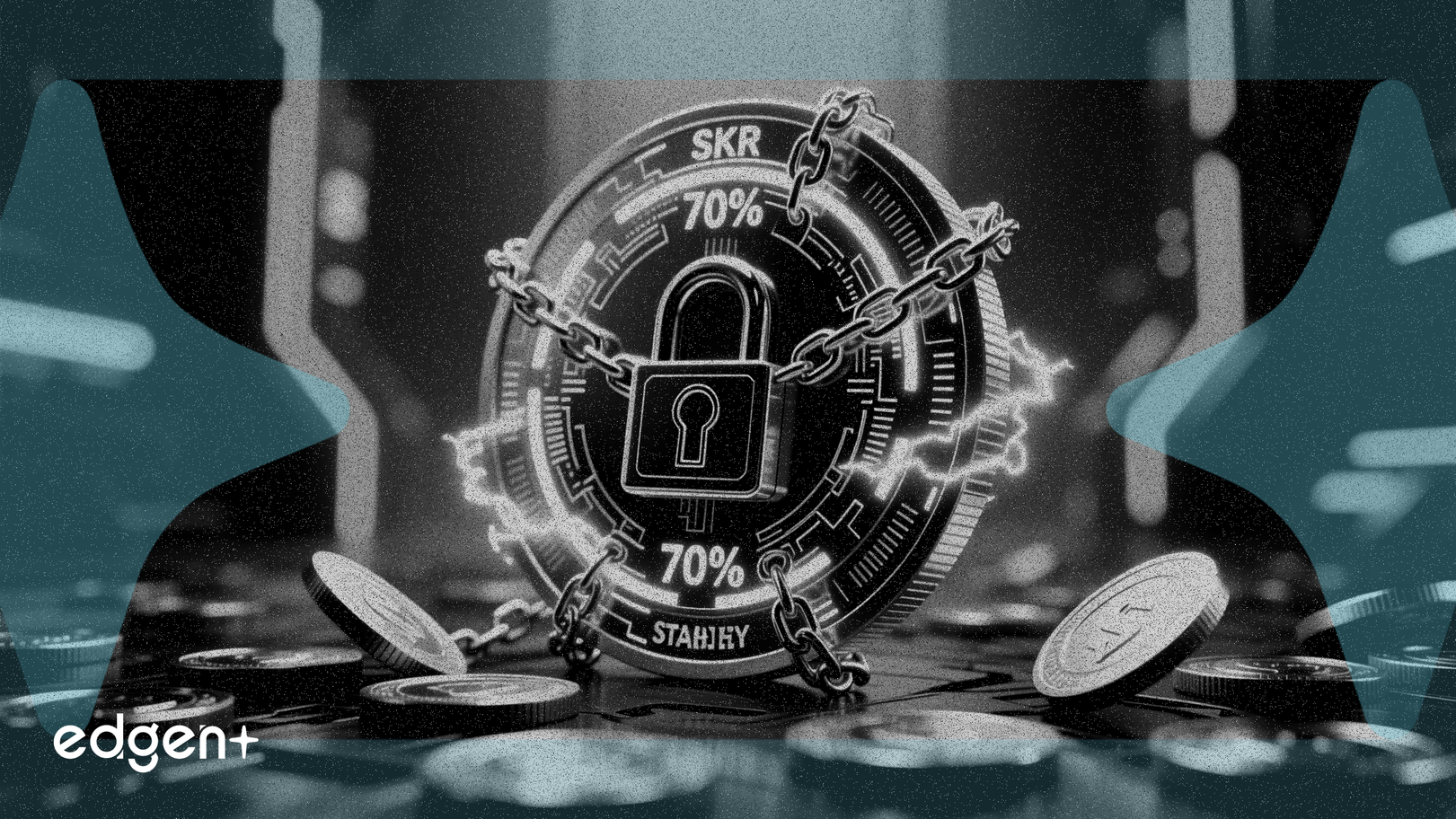
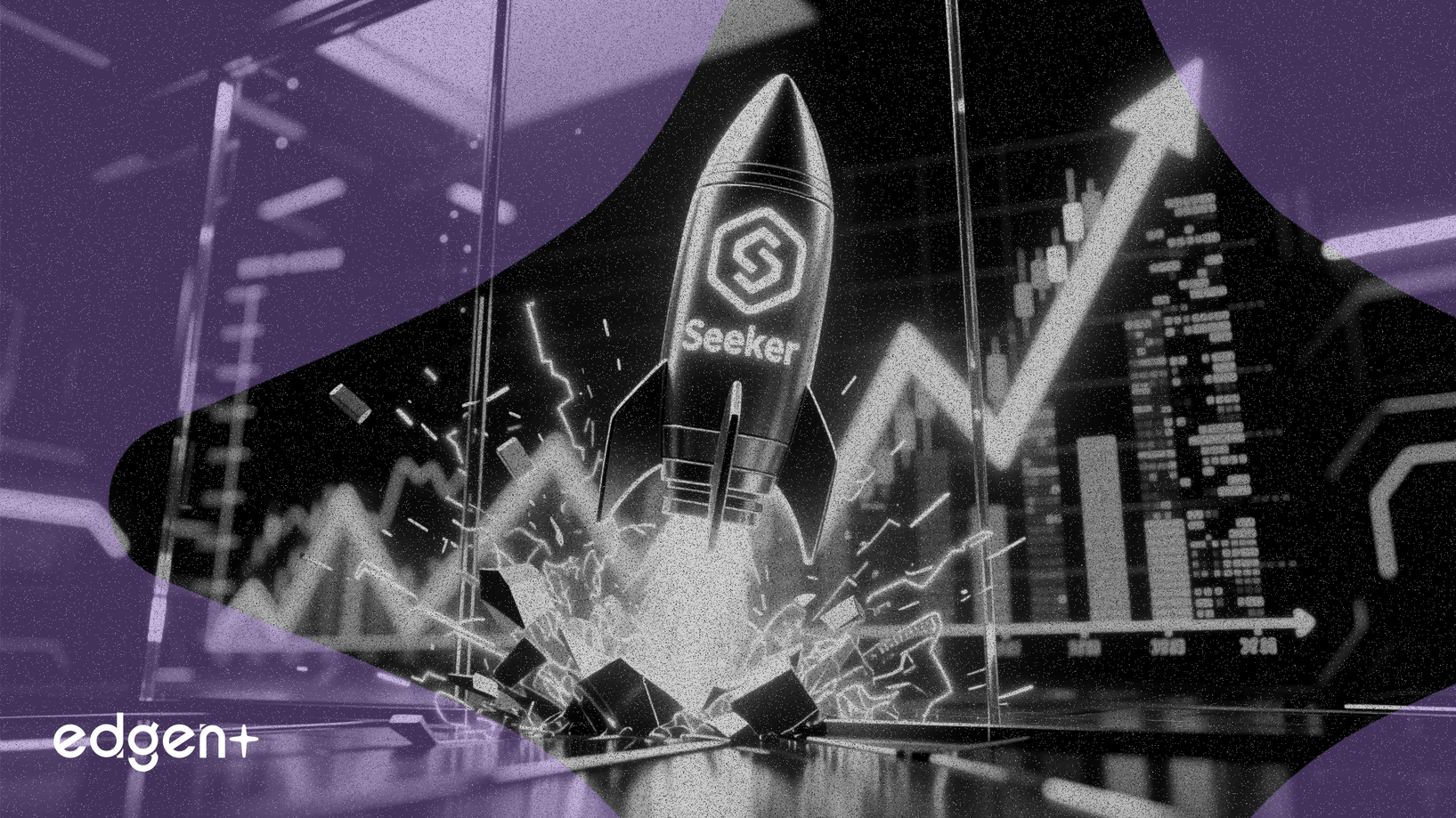
**Solana Mobile** has announced it will launch a new native token, **SKR**, in January 2026, with a fixed supply of 10 billion units. The token is designed to drive user engagement and adoption for its **Seeker** smartphone and the integrated decentralized application (dApp) ecosystem. This strategy mirrors broader industry movements where major technology firms are creating proprietary digital assets to build and control their own "walled garden" economies, though market headwinds may present challenges to its reception.
## The Event in Detail
The SKR token is a strategic initiative by **Solana Mobile** to create a dedicated utility and incentive mechanism within its hardware and software ecosystem. With a fixed supply of 10 billion tokens, the launch aims to establish a self-sustaining economy centered around the **Seeker** smartphone. The core objective is to incentivize both developers to build on the platform and consumers to purchase and use the device for dApp interactions. While the fixed supply provides a degree of predictability, the token distribution model and its potential inflationary effects on launch will be critical factors in determining its long-term value and stability.
## Market Implications
The announcement enters a complex macroeconomic environment. While an ecosystem-specific catalyst like the SKR launch could generate isolated buying pressure for **SOL**, the native token of the Solana blockchain, the wider digital asset market faces uncertainty. Despite expectations of Federal Reserve rate cuts, stubbornly high U.S. Treasury yields and a resilient dollar index are challenging the traditional narrative that looser monetary policy fuels "risk-on" assets like **BTC** and **ETH**. The performance of SKR upon launch will serve as an important indicator of whether project-level incentives can overcome these broader market pressures and attract capital.
## Business Strategy and Market Positioning
**Solana Mobile's** strategy with the SKR token reflects a growing trend of technology companies leveraging proprietary digital assets to cultivate closed-loop ecosystems. This approach is notably similar to **Sony's** recent plan to launch a stablecoin for its **PlayStation** and entertainment platforms. Both companies aim to control the user experience and capture value within their respective ecosystems, creating what are often termed "walled gardens."
This playbook, which involves using a token to bootstrap a hardware and software network, is also being executed by other major players. **PayPal** has entered the space with its **PYUSD** stablecoin, while payment giants **Visa** and **Stripe** are actively integrating stablecoin functionalities into their existing financial rails. By launching SKR, **Solana Mobile** is betting it can build a compelling, crypto-native alternative to the app store models of **Apple** and **Google**, using token incentives as its primary tool for user acquisition.
## Broader Context
The launch of SKR represents a significant case study in the convergence of mobile hardware and Web3 token economies. It is a direct attempt to solve one of the biggest challenges in the crypto space: onboarding a mainstream user base. By tying incentives directly to a physical device, **Solana Mobile** aims to simplify the user experience and create a sticky ecosystem that is less fragmented than the current dApp landscape.
The success or failure of this initiative will provide crucial data on the viability of hardware-linked token economies. It will be closely watched as a test of whether a decentralized, bottom-up ecosystem can effectively compete with the top-down, "walled garden" strategies being deployed by established Web2 and financial technology firms. The ultimate market reception will depend on the real-world utility offered by the **Seeker** phone and its dApps, balanced against the prevailing macroeconomic climate.