
Travel costs are rising nearly 10 percent a year, yet most retirees have no plan for how much they can safely spend on their golden-years adventures.
Travel costs are rising nearly 10 percent a year, yet most retirees have no plan for how much they can safely spend on their golden-years adventures.
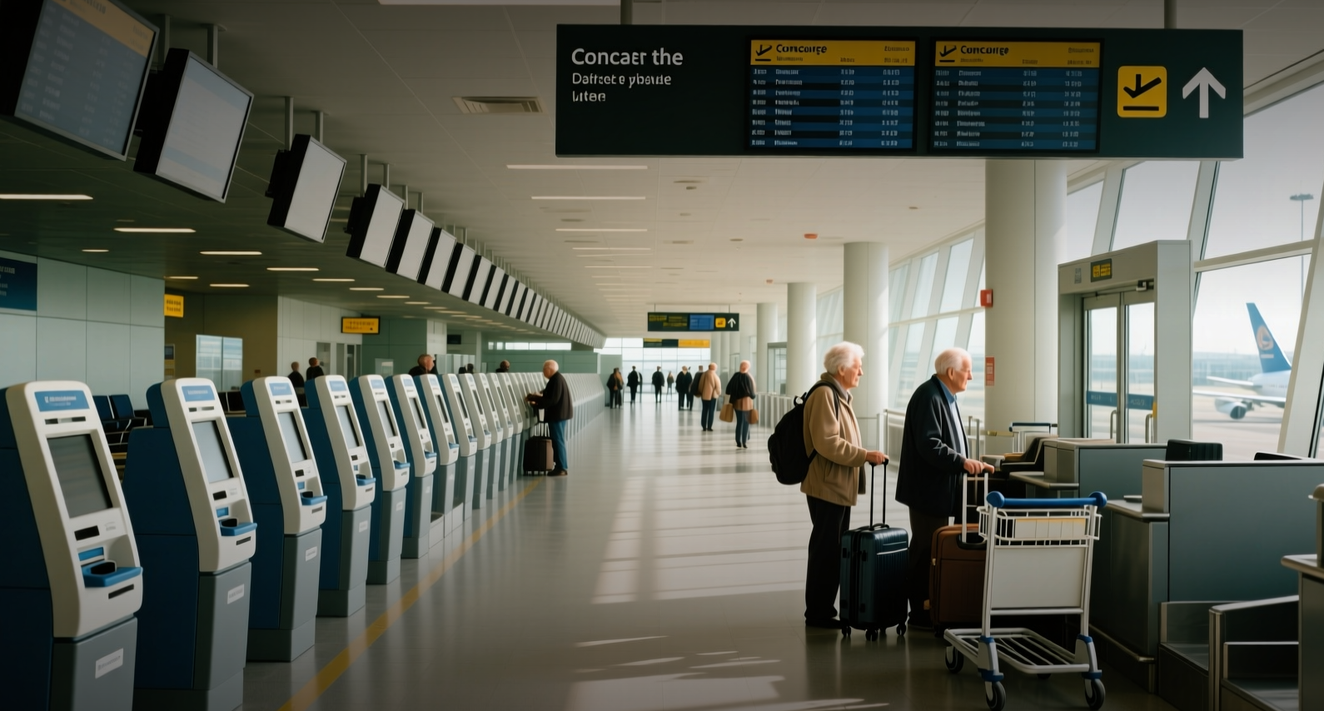
Travel costs are rising nearly 10 percent a year, yet most retirees have no plan for how much they can safely spend on their golden-years adventures.
The Travel Price Index rose 9.8 percent year over year in May, with airfares up 26.7 percent and motor fuel prices up 40.9 percent, even as 86 percent of Americans aged 50 and older rank travel as a top discretionary priority, according to AARP's 2026 Travel Trends survey.
"The desire to travel is incredibly resilient," Lona Choi-Allum, AARP's senior consumer insights manager, said. "Despite challenges or barriers, older adults are adapting how they travel, not whether they travel."
The survey found 64 percent of older Americans expect to travel this year, with anticipated annual spending climbing to about $7,200 from $6,800 a year earlier. A separate Luggage Forward survey of more than 1,000 U.S. citizens aged 55 and older found 78 percent view travel as genuinely good for healthy aging, and 41 percent say they want to travel as much as they can while they're still able.
Without a withdrawal strategy that accounts for travel spending, retirees risk draining their nest eggs during the "go-go years" of early retirement — just as sequence-of-returns risk peaks during market downturns. Yet about a third of retirees still have 100 percent or more of their initial savings intact by their mid-80s, according to the Employee Benefit Research Institute, suggesting underspending is an equally common failure.
The go-go years — roughly ages 65 to 75 — are when retirees are healthiest and most eager to spend. But withdrawing too much from a portfolio during this window, especially if markets fall, can trigger sequence-of-returns risk: a portfolio that drops in value while withdrawals continue can be depleted far faster than one that experiences the same average returns without early losses. On the other side, "it represents a life not lived, the vacations you didn't take because you were afraid you were going to run out of money," Marianela Collado, a certified financial planner in Plantation, Florida, told CNBC.
Travel costs are rising faster than overall inflation. The Travel Price Index increased 9.8 percent year over year in May, with motor fuel prices soaring 40.9 percent, airfares jumping 26.7 percent and hotel prices rising 5.1 percent, according to the U.S. Travel Association. While Social Security recipients receive a cost-of-living adjustment, many pensions don't include inflation increases. One rule of thumb is to plan for 3 percent inflation over retirement to improve portfolio longevity.
Retirees can take several steps to protect their nest eggs while still traveling. Creating a separate travel savings account before retirement means travel spending won't compete with core retirement income. A flexible withdrawal strategy — adjusting withdrawal rates based on market performance rather than following a fixed schedule — can help protect against sequence-of-returns risk. Waiting until Social Security benefits begin before embarking on major trips provides a guaranteed income cushion.
Most older travelers are already adapting. AARP found 89 percent of respondents shop for bargains when planning trips, using comparison shopping, online travel deals and loyalty perks. With more time available in retirement, traveling in the off-season and booking early can stretch travel budgets further.
This article is for informational purposes only and does not constitute professional advice.
