
Freddie Mac data shows the 30-year mortgage rate at 6.71 percent, the highest since July 2025, with analysts expecting it to touch 7 percent in September as Treasury yields climb on inflation and deficit concerns.
Freddie Mac data shows the 30-year mortgage rate at 6.71 percent, the highest since July 2025, with analysts expecting it to touch 7 percent in September as Treasury yields climb on inflation and deficit concerns.
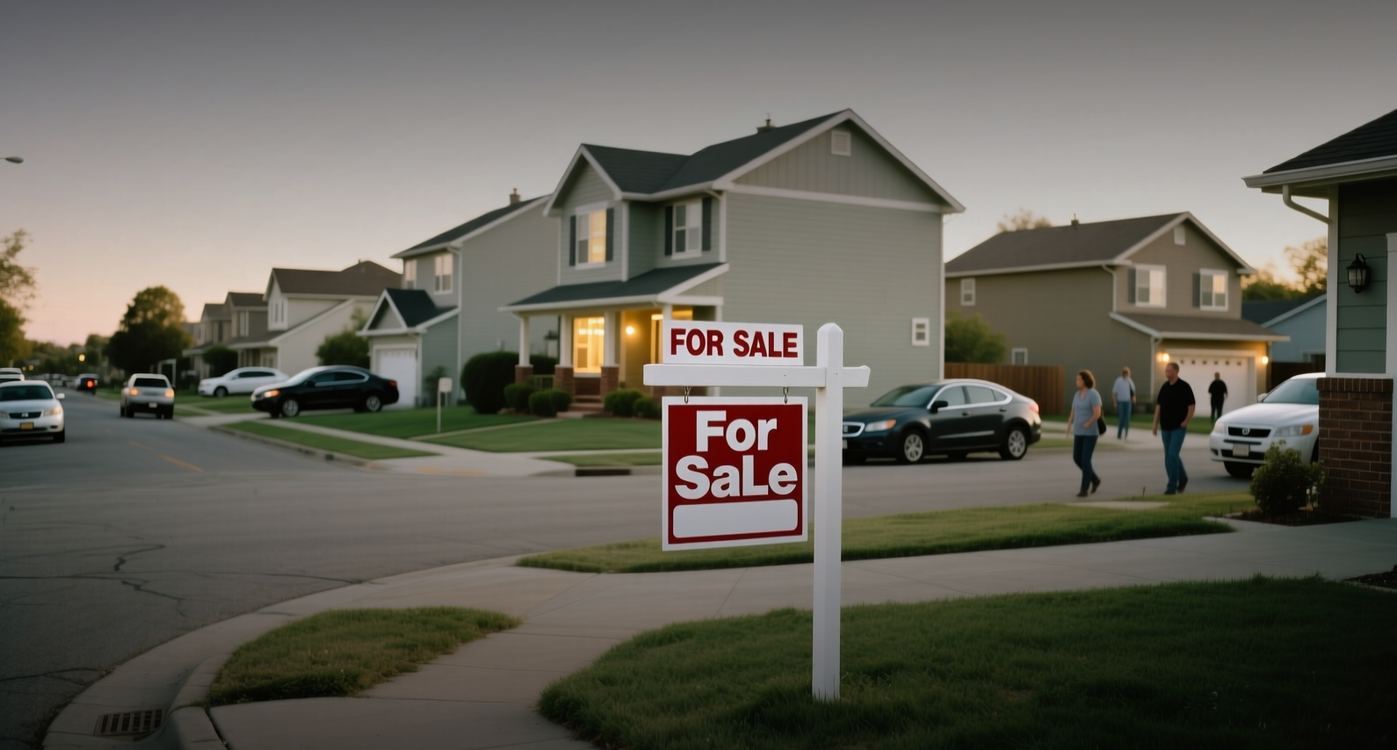
The 30-year fixed mortgage rate climbed to 6.71 percent, its highest in over a year, as rising Treasury yields from inflation and record government debt push borrowing costs toward the 7 percent threshold.
"I expect the average 30-year fixed mortgage rate to touch 7 percent in September," Jim Bell, a former mortgage-backed-securities trader and executive at Sotheby's International Realty, said. "We're already close enough that it would not take a major move in the bond market to get there."
Freddie Mac reported Thursday that the 30-year rate rose 5 basis points from 6.66 percent the prior week, the highest since late July 2025. A separate daily survey by Mortgage News Daily put the average at 6.91 percent as of Sept. 2. The 10-year Treasury yield, to which mortgage rates are closely tied, has climbed over the past week on renewed escalation in the U.S.-Iran conflict, rising oil prices and expectations of a Federal Reserve rate increase to curb inflation.
The climb toward 7 percent carries outsized significance for a housing market already squeezed by elevated prices and scarce inventory. U.S. home prices rose 1.5 percent annually in June, up from 1.2 percent the prior month, according to Cotality, a housing data provider. Jonathan Miller, a real estate appraiser and consultant, said mortgage rates have ascended at their steepest pace in history — now double what they were during the Covid-19 pandemic, when many homeowners locked in rates below 3 percent.
Some borrowers are already encountering 7 percent rates, which vary based on individual risk profiles. Mortgage borrowers with low credit scores, low down-payment amounts or "unique" personal situations are seeing quotes above 7 percent, Jason Madiedo, co-CEO of SimplyPMG, a mortgage lender, said. Borrowers with higher credit scores who put more money down and have stable financial situations are generally more likely to secure rates below 7 percent, he added.
The psychological weight of 7 percent may not deter buyers as much as in prior cycles. "Prospective buyers are already aware that we are in a rising rate environment, so these numbers should not come as a shock," said Michael Read, principal at Bridgeway Mortgage and Real Estate Services in Morristown, New Jersey.
Still, the rate environment is pushing more buyers toward adjustable-rate mortgages to reduce initial monthly payments. The share of home buyers choosing ARMs over conventional mortgages rose to a five-week high in early September, according to the Mortgage Bankers Association. ARMs typically start with a lower rate for a set period before adjusting periodically, carrying the risk that monthly payments fluctuate over the life of the loan — a structure that proved popular in the run-up to the 2008-09 financial crisis.
The macro backdrop offers little relief. The U.S. national debt has reached $40 trillion, double what it was a decade ago, contributing to a global bond sell-off as investors demand higher returns on government debt. Bond yields in Germany, Britain and Japan have hit multi-year highs this week, and the Iran War's impact on oil prices has compounded inflation concerns.
"Higher inflation would simultaneously erode paychecks and real income growth while keeping mortgage rates elevated for longer," Jiayi Xu, a senior economist at Realtor.com, said. "That's a squeeze on housing from both sides: what people can afford, and what they're willing to buy into."
For housing to return to 2019 affordability levels, either the median home price would need to fall by more than 30 percent or the 30-year mortgage rate would need to drop to 3 percent, Lisa Sturtevant, chief economist at Bright MLS, said. "Neither of these scenarios is expected," she added, "which means the road back to improved affordability in the homeownership market is going to be slow."
This article is for informational reference only and does not constitute professional advice.
