
More than 40 percent of homeowners haven't reviewed their insurance coverage in over a year, yet one in three who filed a claim found their coverage fell short.
More than 40 percent of homeowners haven't reviewed their insurance coverage in over a year, yet one in three who filed a claim found their coverage fell short.
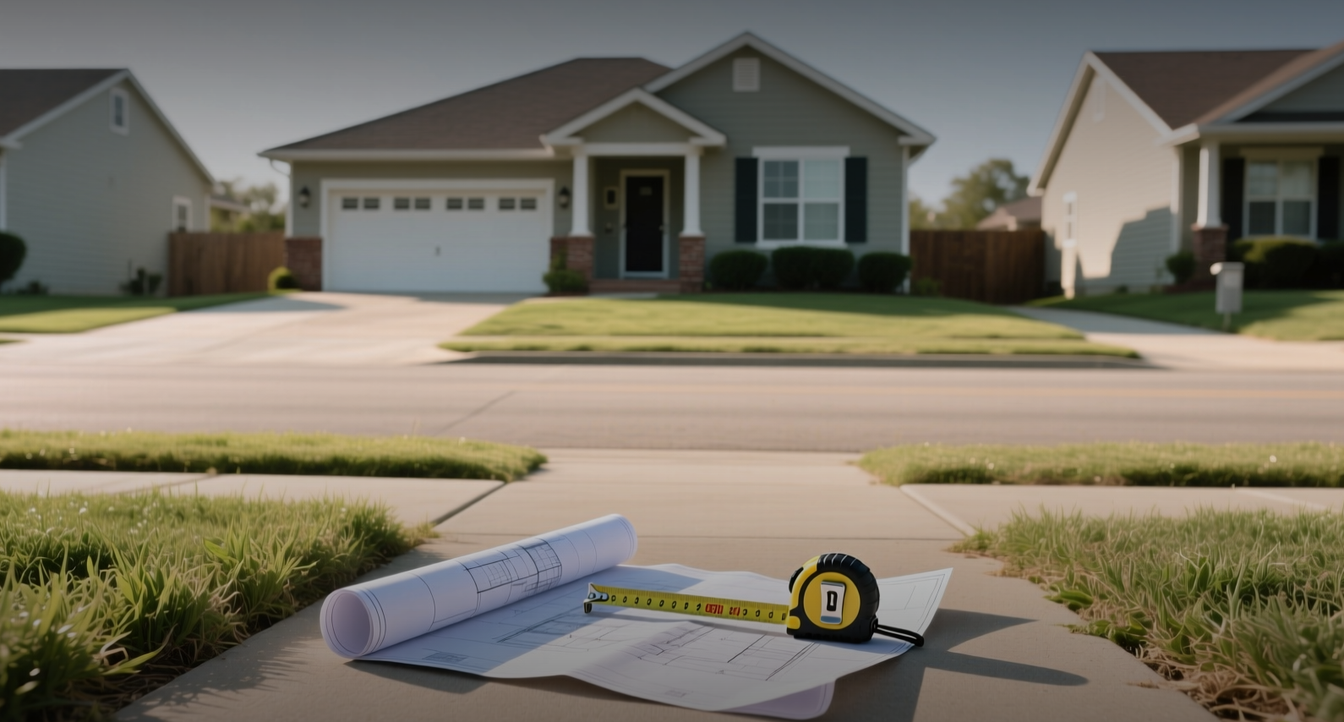
Forty-one percent of home and auto policyholders haven't changed their insurance coverage in more than a year, according to a VIU by HUB survey.
"Most modern policies have an inflation guard that increases coverage typically 4 to 8 percent per year to account for rising construction costs," said William Lemmon, a licensed insurance broker and owner of Broadway Insurance Services in Los Angeles. "But those automatic increases aren't foolproof."
Another 20 percent of policyholders haven't changed their coverage since purchasing their policy. Among those who filed a claim, one in three said their coverage fell short of expectations, and 14 percent said none of their claim was covered. The survey also found that 88 percent of policyholders want their insurance provider to alert them when coverage no longer fits their life, yet 56 percent said their provider hasn't proactively contacted them in more than a year.
The gap can be costly. "A $500,000 insurance limit is not $500,000 worth of protection if it takes $700,000 to rebuild the house," said Chip Merlin, founder and CEO of Merlin Law Group, a national insurance recovery law firm. Dwelling coverage should reflect rebuild cost at today's labor and material prices, not market value or mortgage balance.
Homeowners can review five areas without becoming insurance experts. First, ask an agent to rerun the replacement-cost estimate and verify the square footage, roofing material, finishes, and construction quality used in the calculation. Second, check whether the home, roof, and belongings are insured for replacement cost or depreciated actual cash value, and look for extended replacement-cost protection.
Third, review deductibles — wind, hail, or hurricane deductibles may differ from the standard deductible. Fourth, examine ordinance or law coverage, which helps pay for code-required upgrades during rebuilding, plus additional living expense coverage if temporarily displaced. Fifth, consider what's changed: renovations, expensive purchases, additions, or changes in property use may warrant a conversation with an agent.
Closing coverage gaps doesn't require accepting every policy upgrade. Ask an agent to price changes individually and prioritize protection against losses that could be financially devastating. Raising the deductible can lower premiums, but only to a level that could realistically be paid from savings after an emergency.
"Insurance should protect you against the losses you cannot afford to absorb yourself," Merlin said. "The cheapest policy is only a bargain until you have the claim it does not adequately cover."
Homeowners who haven't audited their policy recently may want to schedule an annual review, ideally timed to their policy renewal date. Finding out you're underinsured while sitting at your kitchen table is one thing — finding out after that kitchen has been destroyed is another.
This article is for informational reference only and does not constitute professional advice.
