
Key Takeaways: Two U.S.-designated terrorist groups have forged a weapons-for-cash alliance across the Gulf of Aden, threatening the corridor carrying 12 percent of seaborne oil.
Key Takeaways: Two U.S.-designated terrorist groups have forged a weapons-for-cash alliance across the Gulf of Aden, threatening the corridor carrying 12 percent of seaborne oil.
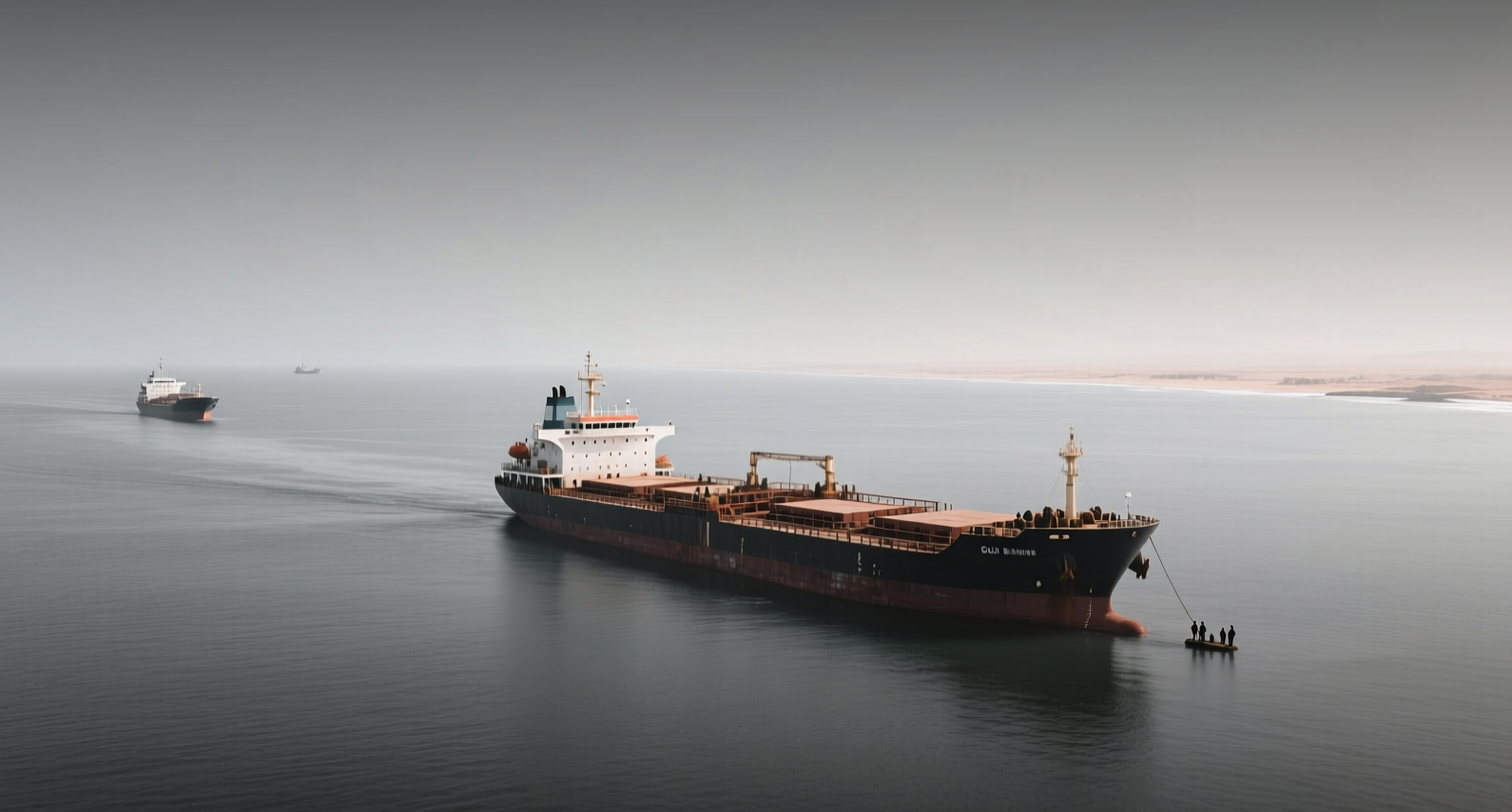
Two U.S.-designated terrorist groups have forged a weapons-for-cash alliance across the Gulf of Aden, threatening the corridor carrying 12 percent of seaborne oil.
The Houthis and al-Shabaab have built a cross-Gulf smuggling network that has moved advanced arms and trained at least 100 fighters between Yemen and Somalia, threatening a critical oil chokepoint as the Strait of Hormuz remains closed by Iranian forces.
"You have al-Shabaab, al Qaeda's largest and most lucrative affiliate, gaining access to more sophisticated weapons and training," Gen. Dagvin Anderson, commander of American forces in Africa, said. "This isn't just a regional problem. It has global implications."
The alliance was brokered by Jibril "One-Armed" Yahya Ali, a Somali liaison killed by a U.S. missile on Feb. 12. Al-Shabaab, which raises at least $100 million a year through extortion, has sought shoulder-fired antiaircraft missiles, explosive attack drones, and U.S. night-vision gear from the Houthis, according to a weapons wish list viewed by the Wall Street Journal. The U.S. has conducted about 40 airstrikes against al-Shabaab targets in Somalia this year, compared with 41 for all of 2025.
With the Strait of Hormuz all but closed by Iranian forces, the Gulf of Aden and Bab al-Mandeb strait have become the last maritime escape route for Middle East oil. The Houthis have already attacked Saudi-linked tankers in the Red Sea, and their new southern perch in Somalia extends their reach over the shipping lane. Shipping insurance premiums, crude futures, and energy equities face upward pressure if the corridor is disrupted further.
The sectarian adversaries — the Houthis, predominantly Shia, and al-Shabaab, Sunni — were united by a common hatred of the United States and Israel. Jibril, 38, moved clandestinely between Somalia and Yemen, operating as al-Shabaab's liaison with Houthi command, according to Matt Bryden, a former United Nations official who monitored arms flows to Somalia. The Houthis provided Jibril with a furnished apartment in San'a and issued him a phony Yemeni passport under an assumed name.
In 2024, al-Shabaab dispatched a more senior envoy, Sheikh Ahmed Elmi Samatar, who presented the Houthis with a weapons wish list that included 107mm Katyusha rockets, Dragunov sniper rifles, and antitank missiles. Yemeni government officials arrested Samatar in January 2025 but later released him in a prisoner exchange with the Houthis.
At least 100 al-Shabaab fighters have traveled to Yemen for Houthi training, with classes of about 30 militants learning marksmanship, antiaircraft operations, and techniques for building more lethal roadside bombs. A group of fighters spent three months this year in Sa'dah studying drone assembly and cockpit-view camera systems. Houthi trainers also travel to Somalia to coach al-Shabaab on drone operations, according to a U.S. military intelligence official.
The alliance gained strategic urgency after Israel recognized Somaliland's independence in December, opening the possibility of Israeli military deployment at Berbera, a Red Sea port with a runway long enough to serve as an emergency landing strip for NASA's space shuttle. Houthi leader Abdul Malik al-Houthi said the group would "move at any time to target any activity or presence of the Israeli enemy in Somaliland."
In June, a four-person Houthi delegation crossed the Gulf of Aden to meet al-Shabaab leaders in Jilib, the de facto capital of the group's territory, seeking to coordinate disruption of Israeli activities at Berbera. The Houthis promised more advanced weapons and training in exchange for al-Shabaab's help deploying radar to monitor ships in the shared waters.
The last time a major maritime chokepoint was threatened at this scale, oil prices spiked sharply. The Gulf of Aden's vulnerability compounds the already severe supply constraint from the closed Strait of Hormuz, which previously handled about 21 percent of global oil trade. If the Houthi-al-Shabaab axis succeeds in disrupting tanker traffic through the Bab al-Mandeb, crude prices could face a supply shock not seen since the 1973 oil embargo, with shipping insurance premiums and energy equities moving in tandem.
This article is for informational purposes only and does not constitute investment advice.
