
Key Takeaways: Alphabet's cloud division grew revenue 82% last quarter, and a $514 billion contracted backlog suggests the acceleration has room to run.
Key Takeaways: Alphabet's cloud division grew revenue 82% last quarter, and a $514 billion contracted backlog suggests the acceleration has room to run.
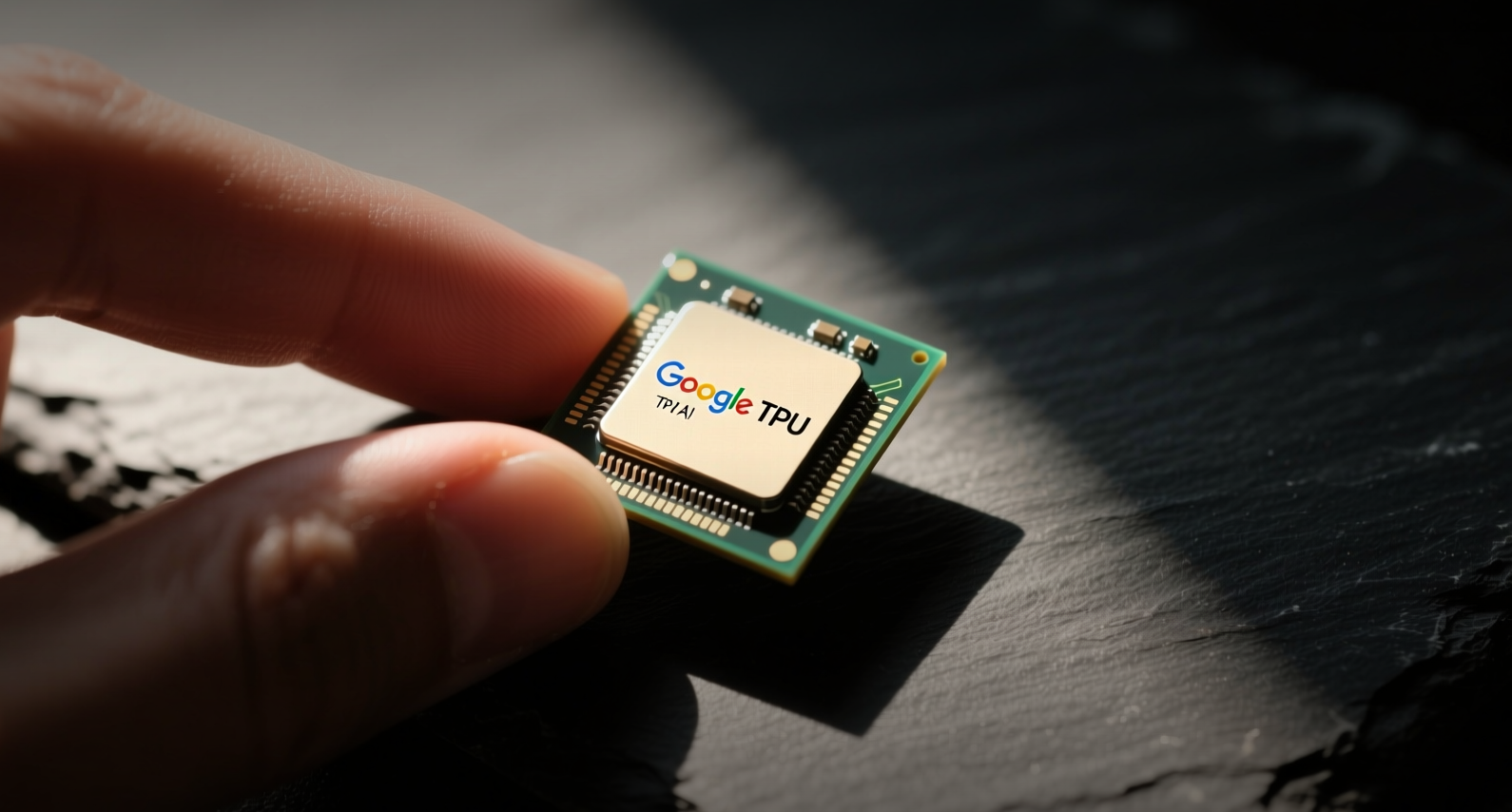
Alphabet's cloud computing revenue climbed 82% year over year to $24.8 billion last quarter, the fifth straight quarter of accelerating growth, as a $514 billion contracted backlog points to more ahead.
Amazon CEO Andy Jassy, who runs the world's largest cloud platform, said data center spending takes about two years to start generating a cash return, a timeline Alphabet likely shares as it pours capital into AI infrastructure.
Roughly half of Alphabet's $514 billion cloud backlog is set to convert to revenue over the next two years, an average of $128.5 billion annually from contracted commitments alone. Management said existing customers are exceeding their commitments by more than 50 percent, while sales of its custom TPU accelerators are ramping — inventory climbed from $2.4 billion at the end of 2025 to $10 billion at the end of the second quarter.
Alphabet raised its 2026 capital expenditure forecast to $195 billion to $205 billion, up from the $180 billion to $190 billion flagged a quarter earlier, and has committed to spend $811 billion mostly over the next four and a half years. Cloud operating income more than tripled to $8.8 billion, yet the segment's 35.6 percent operating margin still trails Amazon and Microsoft at roughly 40 percent.
If Alphabet repeats 82 percent growth in the third quarter, cloud revenue would reach $27.6 billion, a run rate of $110.3 billion. Management's guidance suggests nearly $30 billion is within reach next quarter, approaching 100 percent growth for the segment.
The backlog alone supports the trajectory. Google Workspace and other enterprise solutions are growing on Gemini integration, and management said existing customers are exceeding contracted commitments by more than 50 percent. TPU system sales accounted for a small share of second-quarter revenue but could expand quickly; inventory jumped from $2.4 billion at the end of 2025 to $10 billion at the end of the second quarter, suggesting a step-up in shipments.
Capital expenditures climbed 100 percent last quarter to nearly $45 billion, a slight slowdown from the 107 percent jump in the first quarter. Management said 40 percent of technical infrastructure spend went toward new data centers and networking equipment, with the rest on server gear. Second-quarter operating cash flow of roughly $39.1 billion was outrun by $44.9 billion in capital spending, pushing free cash flow to negative $5.9 billion.
To fund the buildout, Alphabet raised $49.6 billion through an equity offering in June and $20.3 billion via senior unsecured notes, with proceeds earmarked for AI infrastructure. The company is also leaning on third-party neoclouds for some capacity, which could pressure near-term cloud margins before they converge toward the roughly 40 percent operating margin Amazon and Microsoft reported for their cloud segments last month.
Outside cloud, Alphabet's core advertising business held up. Search & Other revenue rose 17 percent to $63.3 billion as AI Overviews and AI Mode extend monetization of an AI-native search experience, while YouTube advertising revenue grew 13 percent to roughly $11.1 billion. Google Services as a whole grew 15 percent to $94.5 billion. GAAP net income rose 298 percent to $112.1 billion, though that figure was inflated by a roughly $99 billion unrealized gain on equity securities; the more comparable non-GAAP EPS of $2.85 narrowly missed the $2.89 to $2.95 consensus range.
Alphabet shares trade at 17.5 times forward earnings, a modest multiple for a business whose cloud backlog alone implies $128.5 billion in average annual revenue over the next two years. If the segment's operating margin expands toward peers' levels, the division could generate substantial operating income and free cash flow within a few years — but only after the heavy upfront investment runs its course. Investors are effectively paying for the buildout now in exchange for the cash returns Jassy's two-year timeline suggests are still ahead.
This article is for informational purposes only and does not constitute investment advice.
