

Key Takeaways: Amazon's Prime Air will deliver packages to nearly 500 U.S. cities by year-end, fulfilling a 13-year-old promise with 30-minute drop-offs.
Key Takeaways: Amazon's Prime Air will deliver packages to nearly 500 U.S. cities by year-end, fulfilling a 13-year-old promise with 30-minute drop-offs.
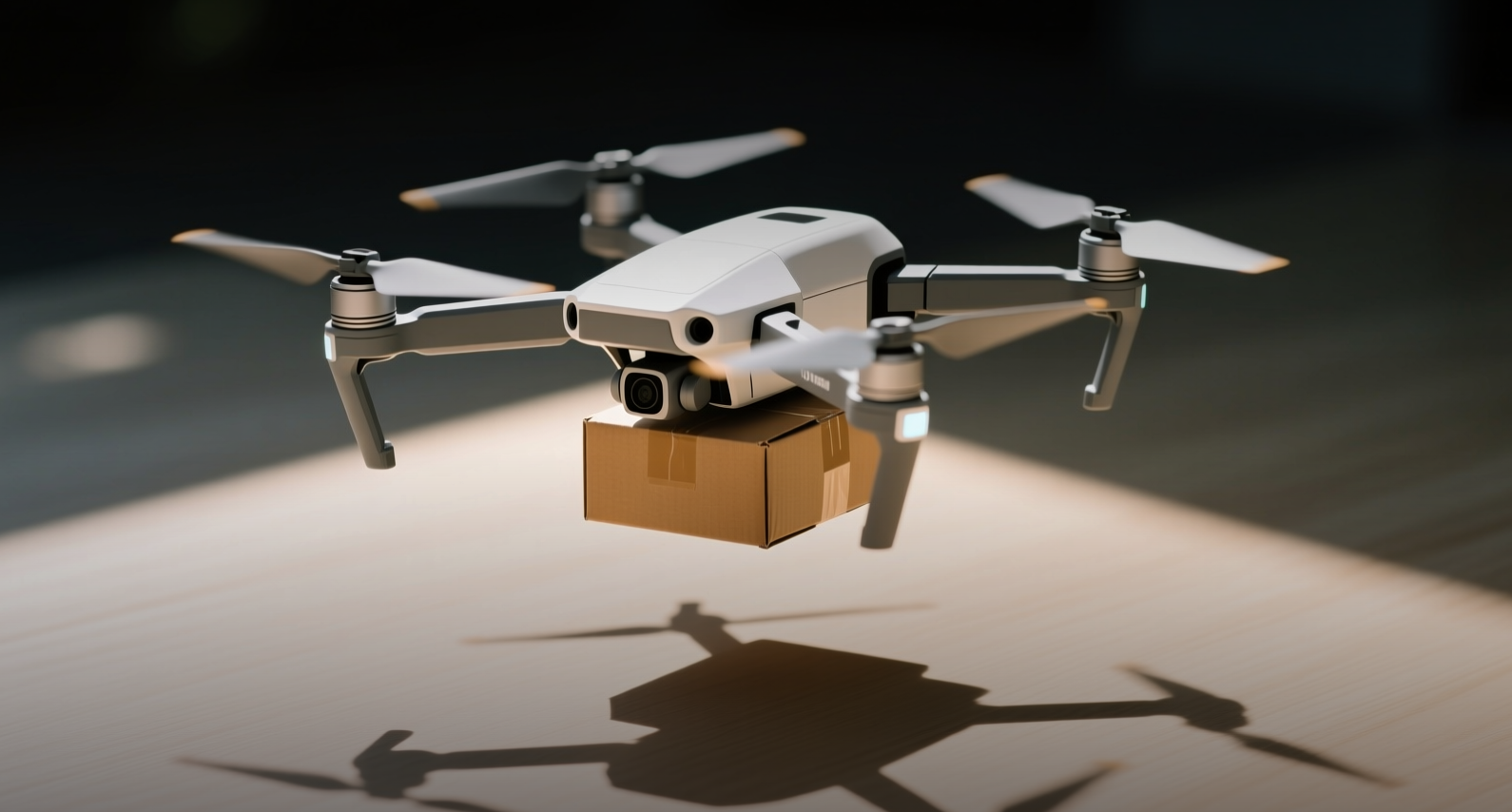
Amazon's Prime Air will deliver packages to nearly 500 U.S. cities and towns by the end of this year, fulfilling a 13-year-old promise with 30-minute drop-offs of items up to 5 pounds. The expansion, first reported by the Associated Press, extends drone delivery to the Chicago, Atlanta, Cleveland and Boise metro areas, with flights concentrated in suburban areas and steering clear of downtown high-rises and major airports.
"I know this looks like science fiction — it's not," Jeff Bezos, Amazon's founder, said on 60 Minutes in December 2013 when he unveiled the Prime Air prototype. Amazon estimated then that FAA rules could arrive "as early as sometime in 2015." Both the technology and the regulations took far longer than the company expected.
Nearly any item weighing 5 pounds or less and small enough to fit in a large shoebox is eligible, translating into millions of products, Amazon CEO Andy Jassy wrote in his annual letter to shareholders earlier this year. He said Prime Air would carry "a much larger selection of items inside a half hour" than Amazon's other fast-delivery options. Each drone hub covers roughly 175 square miles, and the 500-city figure reflects the number of municipalities within delivery range of planned hubs, not the number of hubs themselves. Drone delivery is free for Prime members on orders of $50 or more, $2.99 for Prime orders below that threshold, and $4.99 for non-members.
The expansion puts Amazon in direct competition with Walmart and Alphabet's Wing, which have been building what they call the largest U.S. drone delivery network. Wing added seven new markets in June — including Phoenix, Philadelphia and the Bay Area — and the two companies plan to reach 270 stores and more than 40 million people by next year.
The 13-Year Road to Prime Air
Bezos said in 2013 that drone delivery was at least four or five years away, optimistically, and that convincing the FAA the drones were safe would be one of the biggest hurdles. The program has faced repeated delays since, including regulatory setbacks and operational challenges. Amazon has not publicly announced the expansion plan as of this writing, with the AP report serving as the first confirmation of the scale of the rollout.
The drone delivery economics are straightforward: lightweight, small packages are the most expensive to ship per unit weight through traditional last-mile networks. By moving those items to aerial delivery, Amazon can reduce per-package costs while offering a delivery speed that ground-based logistics cannot match. The 5-pound weight limit and large-shoebox size constraint target exactly the segment where drone economics work best.
Competition and Regulatory Hurdles
Local approvals remain a hurdle for all drone operators. Noise has been a recurring concern for residents near drone operations. Amazon says its drones are quieter than an idling delivery truck during drop-off and comparable to a window fan while in flight. A proposed federal rule that would more broadly allow flights beyond the pilot's line of sight has not been finalized, leaving a key regulatory unknown for the entire industry.
The competitive stakes are significant. Amazon's drone program could reduce last-mile delivery costs, which account for more than half of total shipping costs in e-commerce. Walmart and Wing's aggressive expansion — 270 stores and 40 million people by next year — means Amazon is not alone in betting on aerial delivery. The race will likely intensify as more municipalities weigh noise and safety concerns against the promise of 30-minute delivery. Amazon shares have risen on the company's logistics investments, and the drone expansion adds another layer to its delivery moat, though the regulatory timeline for beyond-visual-line-of-sight operations remains the key variable for scaling the program further.
This article is for informational purposes only and does not constitute investment advice.
