Amazon's trailing 12-month free cash flow turned negative at $7.6 billion even as operating cash flow rose 33 percent to $161.4 billion.
"Demand for 2028 capacity is already striking," Andy Jassy, chief executive officer at Amazon, said on the earnings call.
The $5.75 diluted EPS for Q2 2026, up from $1.68 a year earlier, included $69 billion in "other" income tied to the company's Anthropic investment. Excluding that non-cash gain, adjusted EPS was about $1.97, above the $1.81 consensus. Revenue rose 20 percent to $200.6 billion, beating the roughly $196 billion estimate, with AWS up 37 percent to $42.2 billion.
Amazon raised its 2026 capital expenditure plan to $220 billion from $200 billion, funding the buildout through debt. Long-term debt climbed to $128.9 billion at the end of Q2 from $65.6 billion at the end of 2025, with about $77 billion raised from debt sales over the past year.
Operating income rose 43 percent to $27.5 billion, lifting the operating margin to 13.7 percent from 11.4 percent a year earlier. North America sales increased 16 percent to $116.2 billion, while the international segment grew 15 percent to $42.2 billion.
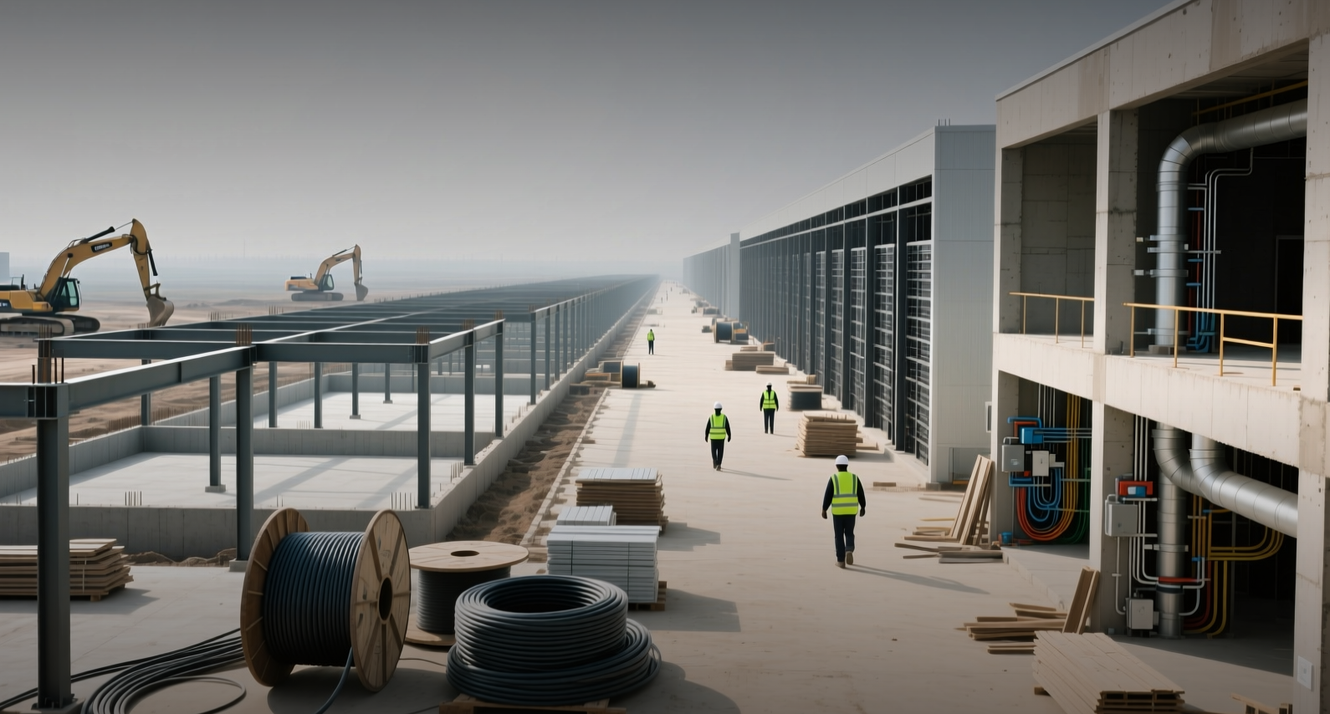
Advertising revenue climbed 26 percent to $19.8 billion, now about 10 percent of total sales, as Amazon monetizes purchase-intent data from its marketplace. The company spent $169 billion on capital investments over the trailing 12 months, with AI data center infrastructure driving a significant share.
AWS's reacceleration to 37 percent growth, its fastest in 18 quarters, comes as Microsoft Azure grew 43 percent and Google Cloud expanded 82 percent in their most recent quarters. AWS's remaining performance obligations reached $496 billion, with Morgan Stanley projecting the unit could hit a $1 trillion revenue run rate within 8-10 years.
The negative free cash flow marks a shift for Amazon, which for years generated cash in excess of its investment needs. The company is betting that AWS demand for generative and agentic AI workloads will outpace the $220 billion spend, with Jassy noting capacity for 2026 is already largely committed.
The results come as Amazon faces an antitrust lawsuit filed by New Jersey's attorney general in early August, adding to regulatory pressure across its retail and cloud businesses. Founder Jeff Bezos filed to sell about 15 million shares worth roughly $4 billion through a pre-scheduled trading plan.
The cash burn shows that Amazon's AI infrastructure buildout is outpacing cash generation, a trade-off investors will weigh against the $220 billion capex plan. The next event is the Q3 earnings report in October, when management updates segment margins and AWS capacity utilization.
This article is for informational purposes only and does not constitute investment advice.