

Apple plans to raise iPhone 17 prices globally by the end of August, with increases of up to ¥1,000 ($140) per unit, as a memory-chip shortage pushes component costs to record levels.
Apple plans to raise iPhone 17 prices globally by the end of August, with increases of up to ¥1,000 ($140) per unit, as a memory-chip shortage pushes component costs to record levels.
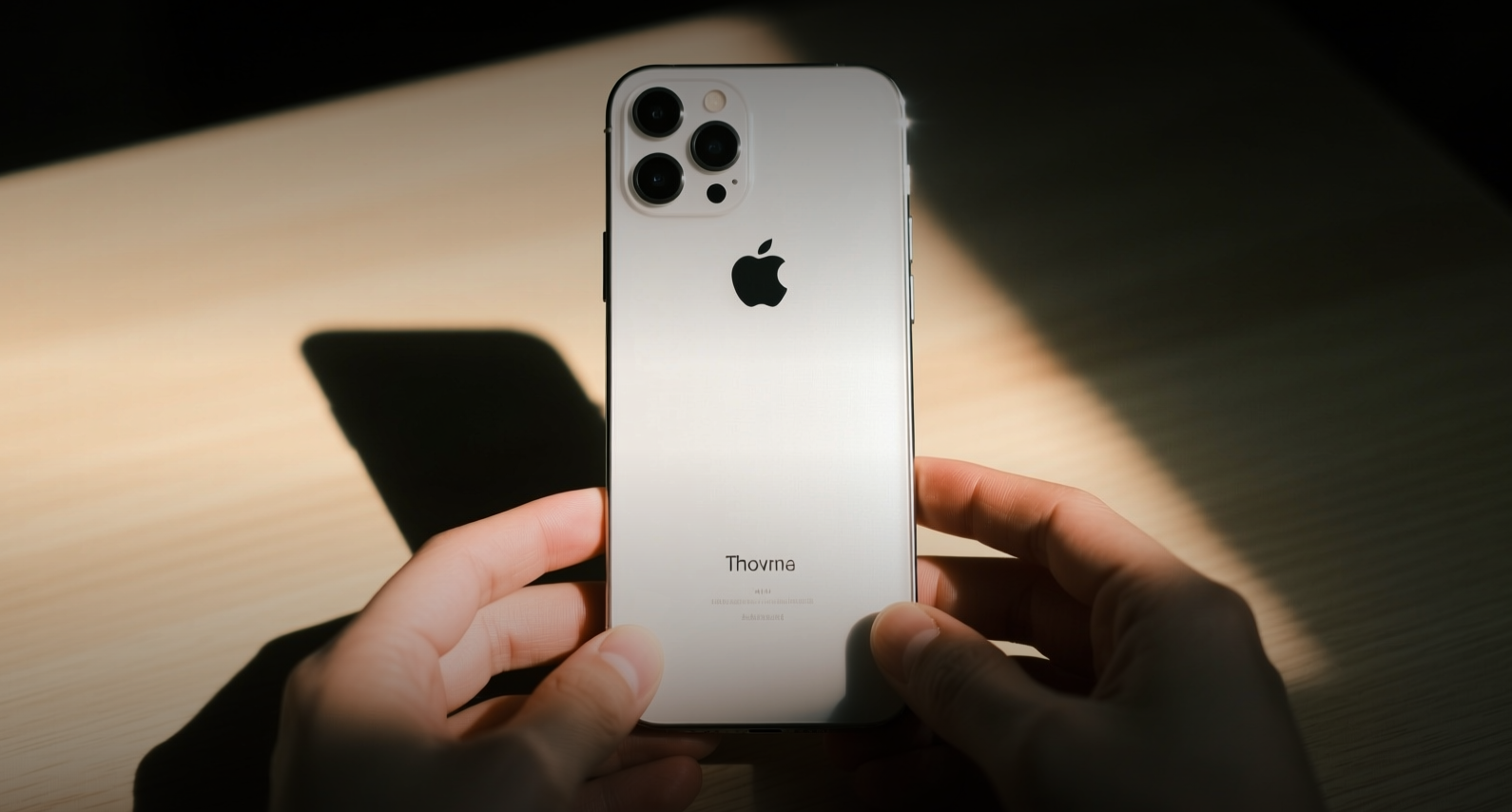
Apple plans to raise iPhone 17 prices across all regions by the end of August, with increases of up to ¥1,000 ($140) per unit, as a memory-chip shortage pushes component costs to record levels. The move follows a July 18 price hike in Japan, where the top-storage iPhone 17 Pro Max rose ¥25,000 to ¥354,800 and the base iPhone 17 climbed ¥13,000 to ¥142,800.
Apple is "reluctantly" passing on the costs, Chief Executive Tim Cook said on the fiscal third-quarter earnings call, describing the memory price environment as a "once-in-a-century flood" with prices rising exponentially. Cook said DRAM supply is controlled by just three suppliers, and that more vendors would help improve pricing.
Memory now accounts for about 34 percent of an iPhone Pro's bill of materials, up from 10 percent a year ago, according to TrendForce. Conventional DRAM contract prices climbed roughly 90 to 95 percent quarter over quarter in the first three months of 2026, the steepest jump on record. Apple raised Mac, iPad, Apple TV, HomePod and Vision Pro prices by $100 to $300 in June, and shares fell more than 6 percent that day.
The increases mark Apple's first broad iPhone price adjustment in years and come as the company faces pressure from Washington over its supply chain. Commerce Secretary Howard Lutnick said the administration opposes Apple sourcing memory from Chinese makers CXMT and YMTC, both on a Defense Department list of companies linked to China's military.
The driver is almost entirely memory. A year ago, memory made up about 10 percent of an iPhone's component cost; in TrendForce's third-quarter estimate that has risen to around 34 percent, and the firm projects it will pass 40 percent in the first half of 2027. Memory prices have climbed five- to sevenfold since the start of 2025, even as panel and application processor costs — historically the two biggest line items — have shrunk.
The buildout of AI data centers has swallowed so much of the world's memory production that hyperscalers are outbidding every consumer electronics maker for the same wafers. Micron, Samsung and SK Hynix are allocating output to data centers, where margins are better. Apple's chief operating officer, Sabih Khan, said that given the scale of the shortage, "we have to look at all options," including working with existing suppliers to increase production in the US.
Apple has absorbed some of the cost, but the scale is extreme. TrendForce estimates the bill of materials for a 256GB iPhone 18 Pro runs roughly 38 percent above the equivalent iPhone 17 Pro, and the next flagship could be $100 to $300 more expensive than the $1,099 iPhone 17 Pro. The base iPhone 17 may also rise from its $799 starting point.
Apple's search for cheaper memory ran into a geopolitical wall. The company had been testing CXMT dynamic random-access memory for devices sold inside China, but federal rules bar technology transfer to CXMT, so Apple could buy standard parts off the shelf but not commission memory built to its own spec. YMTC sits on a Commerce Department trade blacklist.
Seven senators, led by Indiana Republican Jim Banks and Senate Democratic Leader Chuck Schumer, gave Apple until Aug. 21 to commit that no CXMT or YMTC memory goes into any Apple product. Idaho-based Micron has urged the administration not to allow Apple to use Chinese memory, arguing it could conflict with efforts to expand US semiconductor manufacturing.
The pricing pressure lands as Apple prepares to hand the company to incoming Chief Executive John Ternus on Sept. 1, roughly two weeks before the iPhone 18 launch expected Sept. 9. Jefferies cut Apple to Underperform on Aug. 10 with a $263.66 target, citing memory costs against a thinning set of premium-pricing options; Apple closed Aug. 14 at $305.93.
Apple's Q2 2026 global smartphone revenue share hit 49 percent, a record for the quarter, with revenue up 22 percent year over year, according to Counterpoint Research. Research director Tarun Pathak said Apple maintained relatively stable pricing in the quarter while absorbing rising BOM costs, but that the company will likely raise prices in coming quarters. As the most sophisticated supply chain in consumer electronics, Apple is the stress test: if it cannot buy its way around an AI-driven shortage without a national security fight, smaller makers will struggle to pass on costs without losing share.
This article is for informational purposes only and does not constitute investment advice.
