
US Treasury Secretary Scott Bessent said the Strait of Hormuz could be bypassed within two years as oil shipments shift to land pipelines, a structural shift that would strip the chokepoint of its geopolitical premium.
US Treasury Secretary Scott Bessent said the Strait of Hormuz could be bypassed within two years as oil shipments shift to land pipelines, a structural shift that would strip the chokepoint of its geopolitical premium.
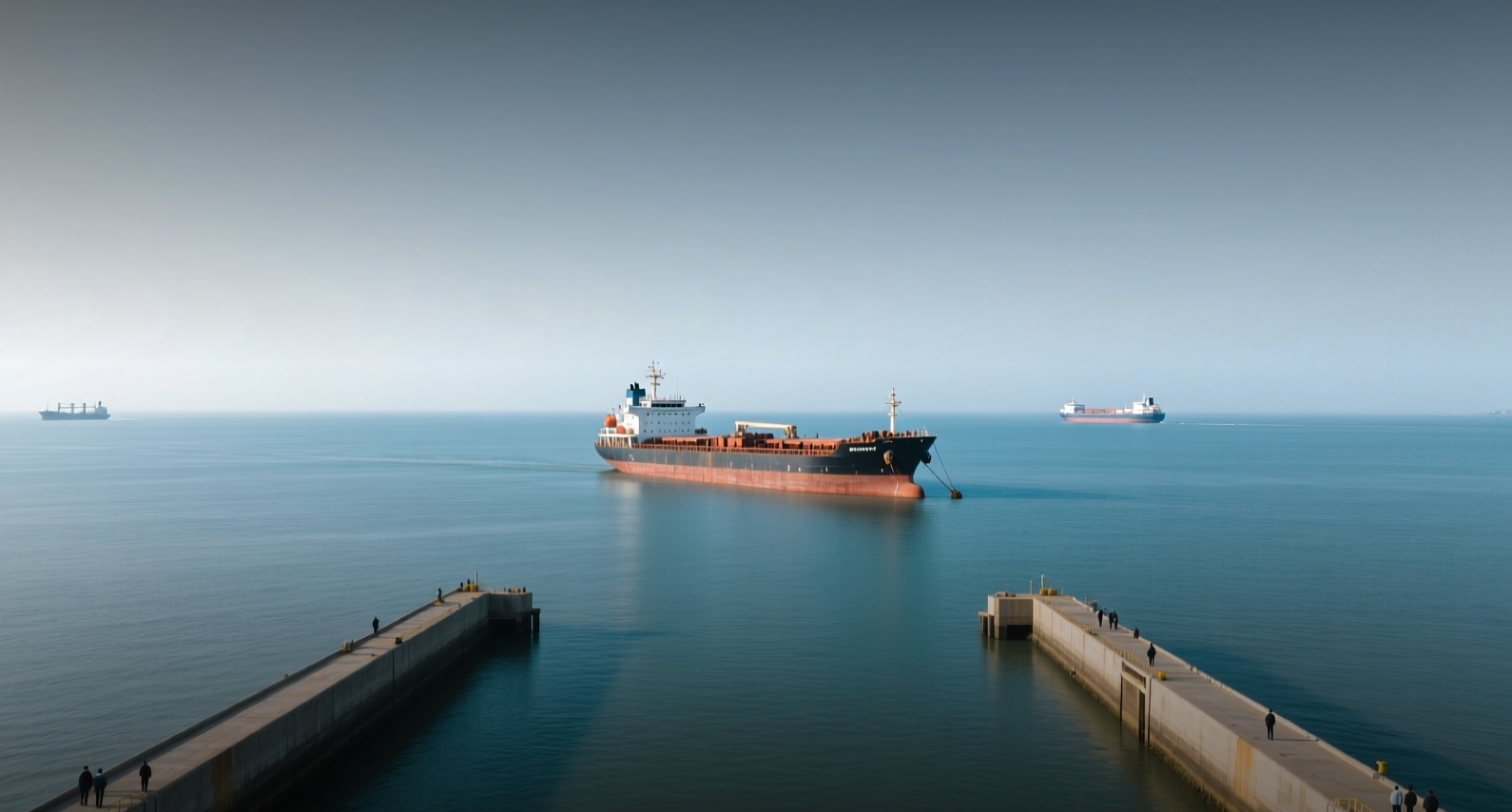
US Treasury Secretary Scott Bessent said the Strait of Hormuz could be bypassed within two years as oil shipments shift to land pipelines, a structural shift that would strip the chokepoint of its geopolitical premium and underpin Washington's escalating economic war on Iran.
"There can be no leakage. You're either with us or you're with the Iranians," Bessent told Reuters ahead of Group of 20 finance meetings in Asheville, North Carolina, where he plans to press counterparts to sever economic ties with Tehran or face secondary sanctions.
Oil prices jumped more than 2 percent Monday after US forces struck two Iranian launchers on Larak Island in the Strait of Hormuz, with Brent rising 2.5 percent to above $90 a barrel and West Texas Intermediate gaining 2.4 percent, Reuters reported. The World Bank cut its 2026 global growth forecast to 2.5 percent, calling the slowdown the worst hit to the global economy since the COVID-19 pandemic.
The bypass plan, combined with weekly sanctions on Iran-linked banks, points to sustained pressure that could keep the risk premium elevated in the near term even as the structural pipeline shift weighs on prices over two years.
Bessent said the Treasury plans to roll out new secondary sanctions targeting Iran on a weekly basis, beginning with financial institutions. "We're starting with the banks, and we're telling the banks it's not okay to have Iranian money and to aid the regime," he told Reuters. A possible next step would be cutting an institution off entirely from the dollar-based financial system.
The campaign, called Operation Economic Outcast, launched last week with the designation of nearly 60 entities, individuals and vessels across multiple jurisdictions, plus new sectoral determinations covering digital assets, technology, gold, aviation and shipping. Treasury on Friday sanctioned the United Arab Emirates branch of Egypt's Banque Misre over alleged financial links to Iran, and Bessent said another bank designation is planned this week.
Bessent rejected the argument that the pressure campaign is doomed unless Chinese companies face direct secondary penalties. He argued that the US blockade of Iranian ports has sharply limited China's ability to keep buying Iranian oil, and that the stockpile of Iranian oil sitting in tankers continues to shrink. "Problem solved," he said.
The Treasury chief also said Iran retains about 85 to 90 percent of its factory rebuild capacity and may hold the world's third-largest energy resources, framing Tehran's economic base as resilient even as Washington pursues a "zero tolerance" stance. He said future sanctions could extend to aviation leasing companies, though Iran still has an opportunity to return to the global system.
The US-Iran conflict, now in its sixth month, has already strained global energy flows. Commercial traffic through Hormuz has fallen to about five visible commodity vessels per day, shipping data showed Monday, after US Central Command said it redirected 83 commercial vessels, disabled three and boarded two as of Aug. 30. The last time the region faced a comparable supply shock, after the Sept. 14, 2019 attack on Saudi Aramco's Abqaiq facility, Brent jumped about 15 percent to roughly $72 a barrel before retreating as supply proved resilient.
For oil markets, the two-year bypass timeline offers a medium-term bearish anchor even as near-term military escalation keeps the risk premium bid. If the pipeline infrastructure materializes, Hormuz's role in global oil trade — which handles roughly 21 percent of seaborne crude — would shrink, structurally lowering the geopolitical premium embedded in crude prices. Until then, weekly sanctions and the threat of "financial violence" keep the conflict's sixth month priced as a live supply risk.
This article is for informational purposes only and does not constitute investment advice.
