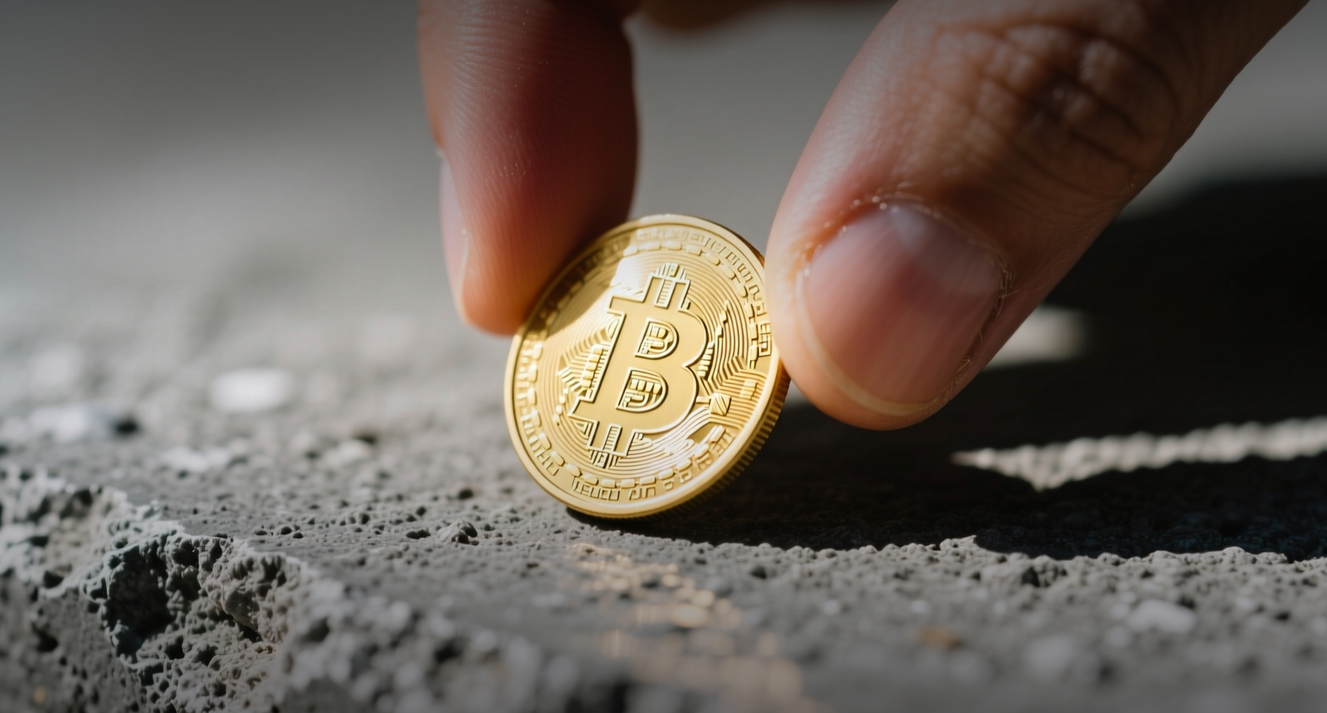
Bitcoin rose 7.41% to $74,378 in Asian trading Friday, briefly touching $75,550, after the US Treasury doubled its long-term bond buyback program.
"The surge was driven by the US Treasury doubling the scale of Treasury buybacks, which would effectively allow fiscal policy to dominate the market and trigger distrust in the traditional monetary system," Matthew Sigel, head of digital assets research at VanEck, said. Sigel said the rally was unrelated to efforts by the White House and the cryptocurrency industry to push forward the Clarity Act for legislation completion in the coming weeks.
Bitcoin has gained nearly 18% this week. The Treasury Department said Wednesday it will at least double the maximum size of its liquidity support buyback operations for longer-dated government bonds, lifting the per-operation cap from $2 billion to at least $4 billion for securities in the 10- to 20-year and 20- to 30-year maturity ranges. The change takes effect Sept. 9 and runs through Nov. 4. The 30-year Treasury yield had hit a 19-year high of 5.323% on Tuesday before the announcement, while the 10-year yield crossed above 4.7%.
The buyback expansion comes as US public debt surpassed $40 trillion for the first time, with the federal government posting a record July deficit of $432.3 billion. Hong Kong-listed Bitcoin ETFs and crypto-related stocks rallied on the news, with CAM BTC up 6.15%, HGI BTC up 6.62%, and BOYAA surging 18.15%.
The Treasury's move follows sustained selling pressure in longer-dated Treasuries. Consumer prices rose 3.4% year over year in July, well above the Federal Reserve's 2% target, while the cumulative deficit for the first 10 months of fiscal 2026 reached $1.799 trillion, exceeding the full fiscal 2025 shortfall with two months remaining.
Minutes from the Fed's July meeting, released Wednesday, showed some officials believed monetary policy might need to be tightened if inflation failed to subside. Policymakers voted 9-3 to keep the federal funds rate unchanged at 3.5%-3.75%, the first time since 2016 that three FOMC members dissented in the same direction.
Analysts questioned whether the buyback expansion can meaningfully address structural pressures. "A $4 billion buyback per session is negligible compared to the $31 trillion US Treasury market," Ross Pampelun, head of bond investments at Impax, told The Wall Street Journal. JPMorgan's Maia Crook said the measures "do not resolve potential structural challenges," noting that government intervention departing from the "regular and predictable" issuance framework could raise the risk premium investors demand.
The yield-suppressing effect of the buyback announcement proved short-lived. The 30-year yield resumed its climb to 5.26% on Thursday, nearly erasing the previous day's decline, while the 10-year yield rose to 4.71%. Corporate bond issuance has reached record levels as tech companies borrow heavily to finance AI infrastructure investment, adding to the supply pressure.
For Bitcoin, the rally reflects growing skepticism toward traditional monetary systems as fiscal dominance takes hold. The question now is whether the move above $75,000 can hold, with the Treasury's next quarterly refunding announcement scheduled for Nov. 4 expected to provide further guidance on buyback sizes.
This article is for informational purposes only and does not constitute investment advice.