

Bloom Energy's stock has surged 170 percent this year on AI power demand, but a 270x earnings multiple leaves no room for error.
Bloom Energy's stock has surged 170 percent this year on AI power demand, but a 270x earnings multiple leaves no room for error.
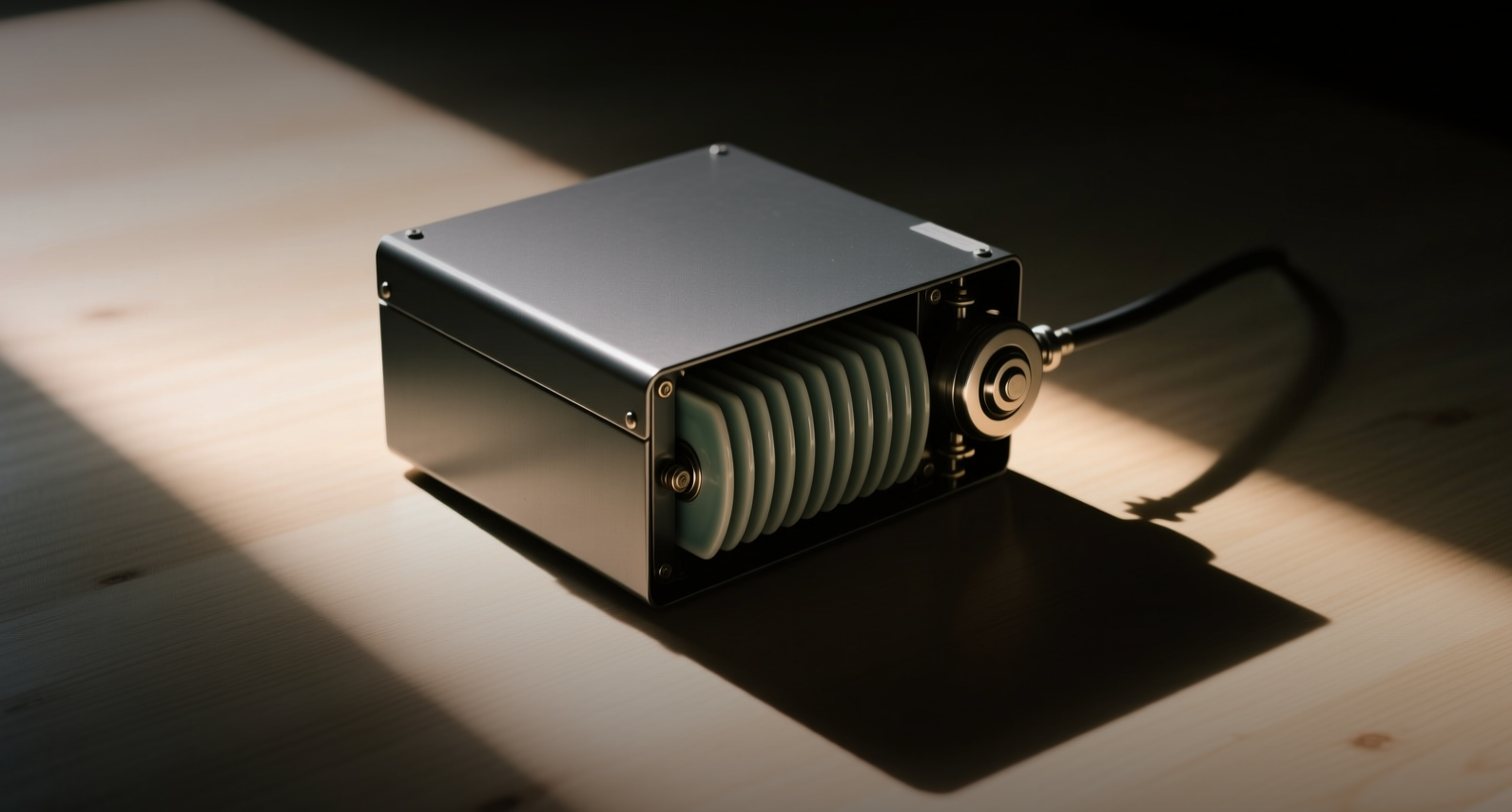
Bloom Energy Corp. shares have climbed more than 170 percent this year as AI data centers race to secure onsite power, pushing the fuel-cell maker to roughly 270 times trailing earnings with little room for delivery slips. The stock traded at $202.05 on Aug. 19, down 3.3 percent, after touching a 52-week high of $351.28.
"Bloom is now a standard for AI onsite power," Chief Executive KR Sridhar said on the company's second-quarter earnings call, after the company reported record revenue of $1.065 billion, its first billion-dollar quarter, up 165.5 percent from a year earlier. Adjusted earnings of $0.78 per share nearly doubled the consensus estimate. Gross margin expanded 668 basis points to 33.4 percent, and operating income swung to $182.2 million from a $3.5 million loss.
The company raised 2026 revenue guidance to $3.9 billion-$4.2 billion and expects non-GAAP gross margin of roughly 34 percent. A 328 MW agreement with Nebius Group could bring up to $2.6 billion in service fees over 10 years, though the deal represents only about 6.4 percent of Bloom's revenue-guidance midpoint on an annualized basis.
The valuation question is whether Bloom can convert its pipeline — including a 2.8 GW master agreement with Oracle and a $25 billion Brookfield partnership — into recurring revenue fast enough to justify a market value near $68 billion. Analyst targets range from $176 to $350, with an average of $271.58.
Fuel cells fill the AI power gap
Bloom's solid-oxide fuel cells convert natural gas or hydrogen into electricity without combustion, delivering multi-megawatt blocks of power within months rather than the years required for grid interconnection. That speed-to-power pitch has resonated with hyperscalers and neoclouds racing to secure electricity for AI clusters.
Nebius increased its 2026 contracted-power target to 5 GW last week, and its second-quarter revenue rose to $582.3 million, beating estimates. Four new AI cloud contracts averaged more than $1 billion each. The company expects the first 328 MW Bloom project to operate this year.
Management says it has visibility on 25 GW of deployments, a figure that implies tens of billions of dollars in cumulative revenue if realized at current economics. Each gigawatt of commercial product capacity supports roughly $700 million to $800 million of annual revenue at the current mix, according to estimates based on the company's manufacturing footprint and guidance. Bloom also expanded its partnership with data center REIT Equinix, deploying over 100 MW of capacity across 19 data centers.
Competitors Plug Power and FuelCell Energy have also rallied on AI power demand, but neither has matched Bloom's revenue scale or margin trajectory. Plug Power shares climbed 8 percent after Bloom's Q2 results, while FuelCell Energy rose 29 percent, reflecting sector-wide enthusiasm for onsite power solutions.
Valuation leaves no margin for error
The stock trades at about 16.7 times the midpoint of 2026 revenue guidance, compared with 4.96 times for the broader clean energy industry. The forward price-to-sales ratio of 10.94 times is more than double the sector average.
Analysts remain divided despite a Buy consensus. Ten of 19 recent ratings are Buys and nine are Holds. J.P. Morgan's $314 target and RBC Capital's $335 target sit well above the average, while Jefferies' $188 target reflects concerns about deployment timing and margin sustainability.
Customer concentration adds risk. One client drove 73 percent of Q2 sales, and project conditions, local permits, and phased commissioning could delay revenue recognition. At 270 times trailing earnings, even modest execution slippage could produce sharp volatility.
The next test is physical delivery. Investors need evidence that the 328 MW Nebius project reaches service on schedule and that higher volume preserves margins. Until then, the AI power demand story confirms the opportunity more clearly than the valuation.
This article is for informational purposes only and does not constitute investment advice.
