

Key Takeaways: Chevron is finalizing negotiations to migrate all its Venezuelan oil joint ventures into the country's new energy framework, unlocking key oilfield expansions.
Key Takeaways: Chevron is finalizing negotiations to migrate all its Venezuelan oil joint ventures into the country's new energy framework, unlocking key oilfield expansions.
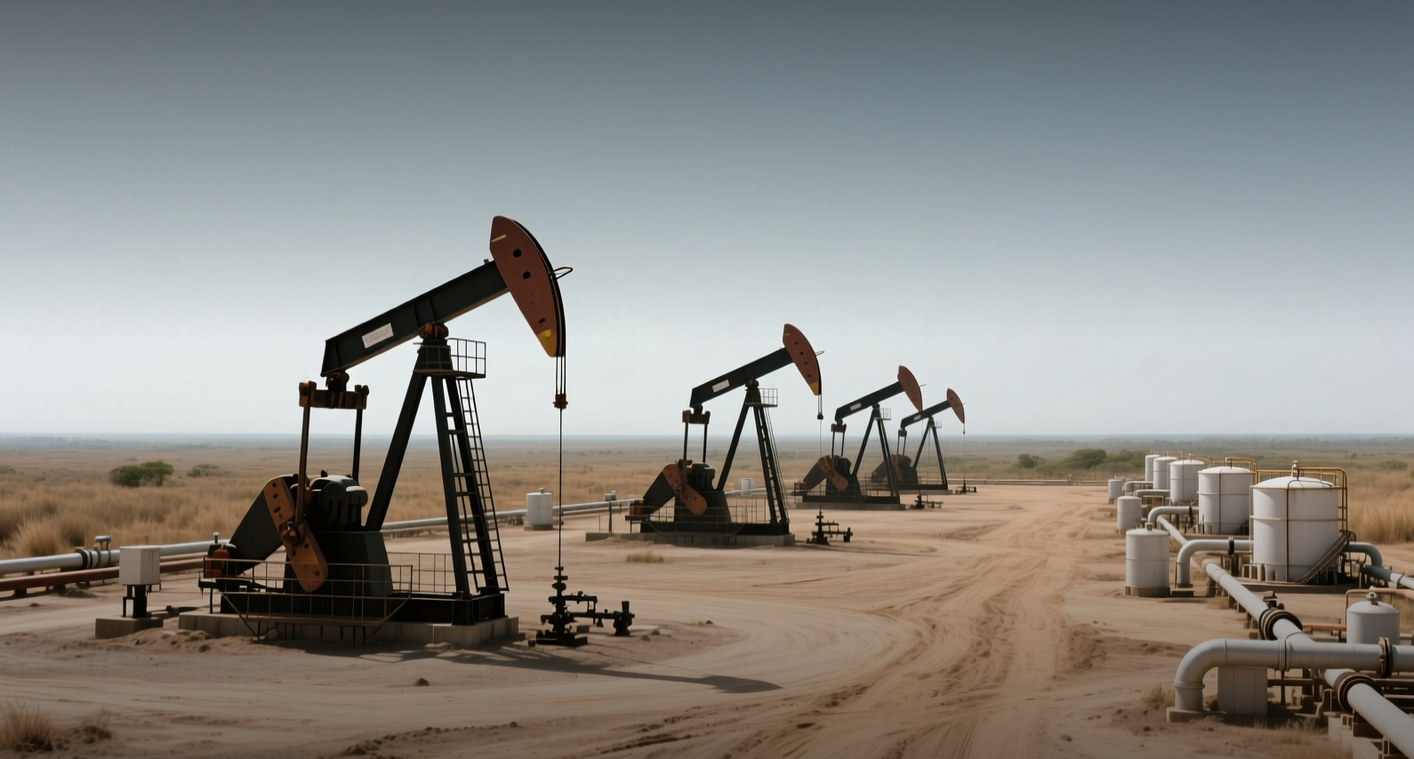
Chevron is finalizing negotiations to migrate all its Venezuelan oil joint ventures into the country's new energy framework, unlocking greater operational control and key oilfield expansions, two sources close to the talks said. The Houston-based major is negotiating to add two new oil fields to its operations, including the Ayacucho 8 block in the Orinoco Belt, which holds more than three-quarters of Venezuela's total crude reserves.
"The constitutionality of a foreign power taking control of the nation's reserves is deeply questionable," said Ricardo Hausmann, a Harvard University professor and former Venezuelan minister who has publicly challenged the scope of U.S. involvement in the country's oil sector.
Chevron already accounts for about a fifth of Venezuela's oil production and is the only U.S. oil major active there. Chevron and state-owned PDVSA were producing around 90,000 barrels per day of upgraded Hamaca crude and 20,000 bpd of vacuum gasoil at the Petropiar project last month, according to a PDVSA document. Venezuela's total output stands at roughly 1.05 million bpd. The Ayacucho 8 expansion would be Chevron's fifth oil area in Venezuela and could make it the largest private producer in the Orinoco Belt, a position ConocoPhillips held before it left the country two decades ago following a wave of nationalizations.
The deal comes as the Trump administration negotiates leases lasting as long as 100 years on several Venezuelan oil fields, part of what President Donald Trump has described as a $100 billion effort to rebuild the country's oil industry. Gaining greater access to Venezuela's reserves would boost U.S. supplies at a time of intense market volatility caused by the war in Iran and Tehran's efforts to choke commercial shipping through the Strait of Hormuz. It could also help as the U.S. struggles to refill its Strategic Petroleum Reserve, which stands at roughly 41 percent of capacity, its lowest level in more than four decades.
Venezuelan oil production has already increased by nearly 300,000 bpd since U.S. forces seized Nicolás Maduro in January and effectively handed control to his former vice president, Delcy Rodríguez, who has since aligned with the Trump administration. Washington has controlled Venezuelan oil sales while easing sanctions to allow U.S. companies and oil field contractors to do business in the country.
Other international majors are also moving. Shell signed preliminary oil and gas agreements with Venezuela last week, aiming to develop the Carito and Pirital fields in the Monagas North region of eastern Venezuela. The Punta de Mata area, which includes those fields, produced some 94,000 bpd of crude and about 1.03 billion cubic feet per day of gas last month, with roughly 350 million cubic feet per day flared. Oil field services giant SLB and independent producer Hunt Oil Co. signed contracts with the Venezuelan government this month. Spain's Repsol, which holds over $5 billion in accumulated debt under sanctions, is also seeking to expand its operations. Halliburton Co. is reportedly in talks to bring oil equipment into the country.
Despite the influx of foreign capital, analysts caution that restoring Venezuela's oil industry will take time. Producers will have to contend with degraded infrastructure, unreliable electricity and legacy environmental liabilities. Analysts and industry experts say it could take more than a decade to restore production to the roughly 3 million bpd Venezuela pumped before its oil industry began a decades-long collapse.
Venezuela's National Assembly approved a sweeping reform of the country's main oil law in late January, granting foreign companies autonomy to operate, export and sell Venezuelan oil even as minority partners of PDVSA. Chevron is seeking a reduced royalty rate for the Ayacucho 8 area and other tax and trade incentives under the new legislation. The U.S. government is also carefully checking company credentials and sanctions compliance before granting clearance to any existing or new partners, separate sources said.
The broader implications extend beyond Chevron. A successful expansion would give U.S. companies a strategic foothold in one of the world's largest oil basins at a moment when global supply chains remain disrupted by Middle East conflict. Oil stocks have traded sharply higher since the U.S. action in Venezuela, and a surge in Venezuelan crude imports has begun reshaping the U.S. supply mix. For Chevron shareholders, the deal represents a potential production growth vector at a time when the company's U.S. shale output faces capital discipline constraints. The company's ability to secure favorable terms under Venezuela's new framework could set the template for other international producers seeking entry, potentially reshaping the competitive dynamics of the Western Hemisphere's oil trade.
This article is for informational purposes only and does not constitute investment advice.
