
Key Takeaways:
- Citi raised its 0-3 month gold target to $4,800/oz from $4,500/oz
- JPMorgan sees gold trading $4,500-$5,000 an ounce near term
- This week's PCE data and Jackson Hole are the next catalysts
Key Takeaways:
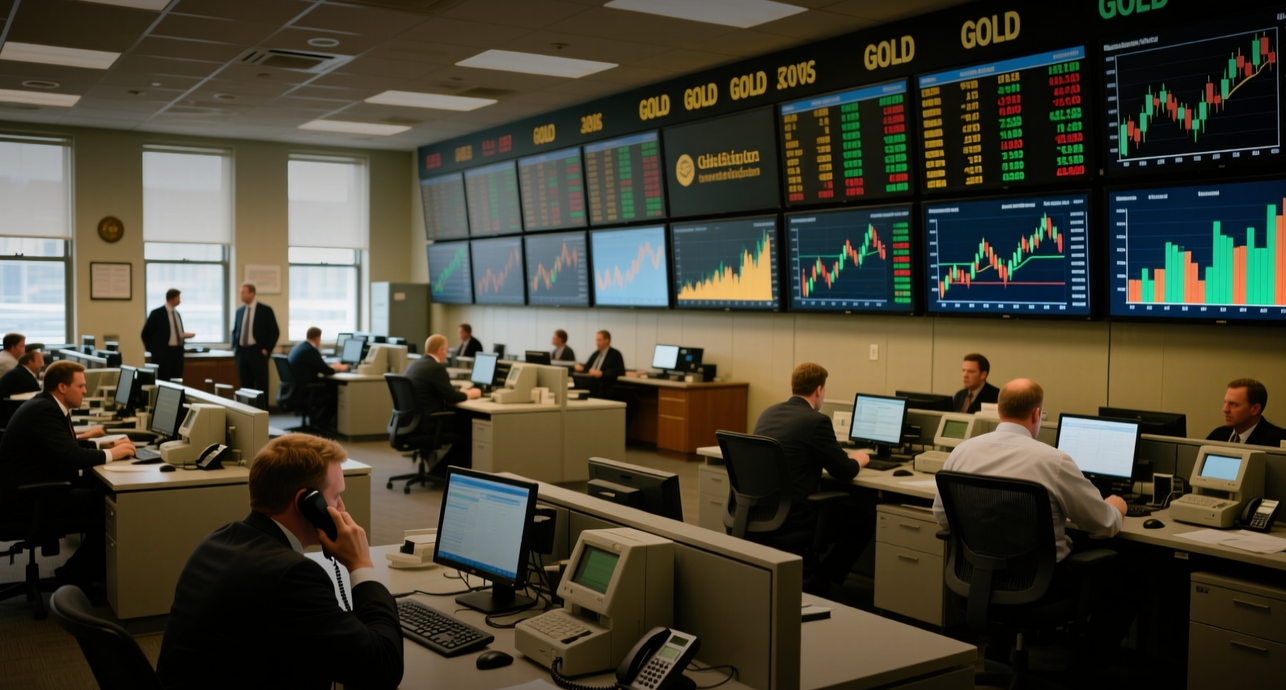
Citi raised its zero-to-three-month gold price target to $4,800 an ounce from $4,500, saying bullion still has room to run. The bank kept its six-to-12-month target unchanged at $5,000 an ounce, according to Reuters.
JPMorgan sees gold trading between $4,500 and $5,000 an ounce in the near term, with this week's core personal consumption expenditures inflation data and the Jackson Hole symposium set to decide the direction, the bank's desk said. Markets have so far been reluctant to fully price out a September Federal Reserve move, leaving rates and gold sensitive to any upside inflation surprise or a shift in tone from Jackson Hole.
Citi pointed to easing tensions in the Strait of Hormuz, lower real interest rates and a less hawkish Federal Reserve as the drivers that would sustain gold's advance over the six-to-12-month horizon. JPMorgan flagged that the Middle East backdrop remains opaque and that tariff headlines over the weekend have kept the broader macro risk premium elevated, adding that a pause in positioning this week is understandable given the calendar.
A hot inflation print would likely trigger a retest of the 200-day moving average to the downside, JPMorgan said. The opposite scenario — cooler-than-expected data paired with a market unconvinced by the outcome of the Jackson Hole speech — could see gold trading much closer to $5,000 within the space of a week. The desk pointed to gold's roughly $1,100 move over a single month in January as evidence that a swing of that scale is well within reach given how the market has behaved this year.
Gold's underlying momentum has not been dented despite the weaker data flow over the weekend, with prices still trading meaningfully higher on the day. The two notes suggest gold's next major move may hinge less on a change in the broader macro narrative, which both banks still read as supportive, and more on the sequencing of this week's inflation data and central bank commentary, with the range between roughly $4,500 and $5,000 likely to define trading until that picture clarifies.
The raised targets from two of Wall Street's biggest desks point to a market still comfortable adding to gold exposure even after this year's sharp rally, with the disagreement centred on timing rather than direction. A cooler PCE outcome combined with a market unconvinced by Warsh's messaging could see gold approaching $5,000 within days rather than months, while a hot print would likely trigger a retest of the 200-day moving average.
This article is for informational purposes only and does not constitute investment advice.
