
Credit card rewards are not free money — consumers fund them through interest charges, cardholder fees, and merchant interchange fees.
Credit card rewards are not free money — consumers fund them through interest charges, cardholder fees, and merchant interchange fees.
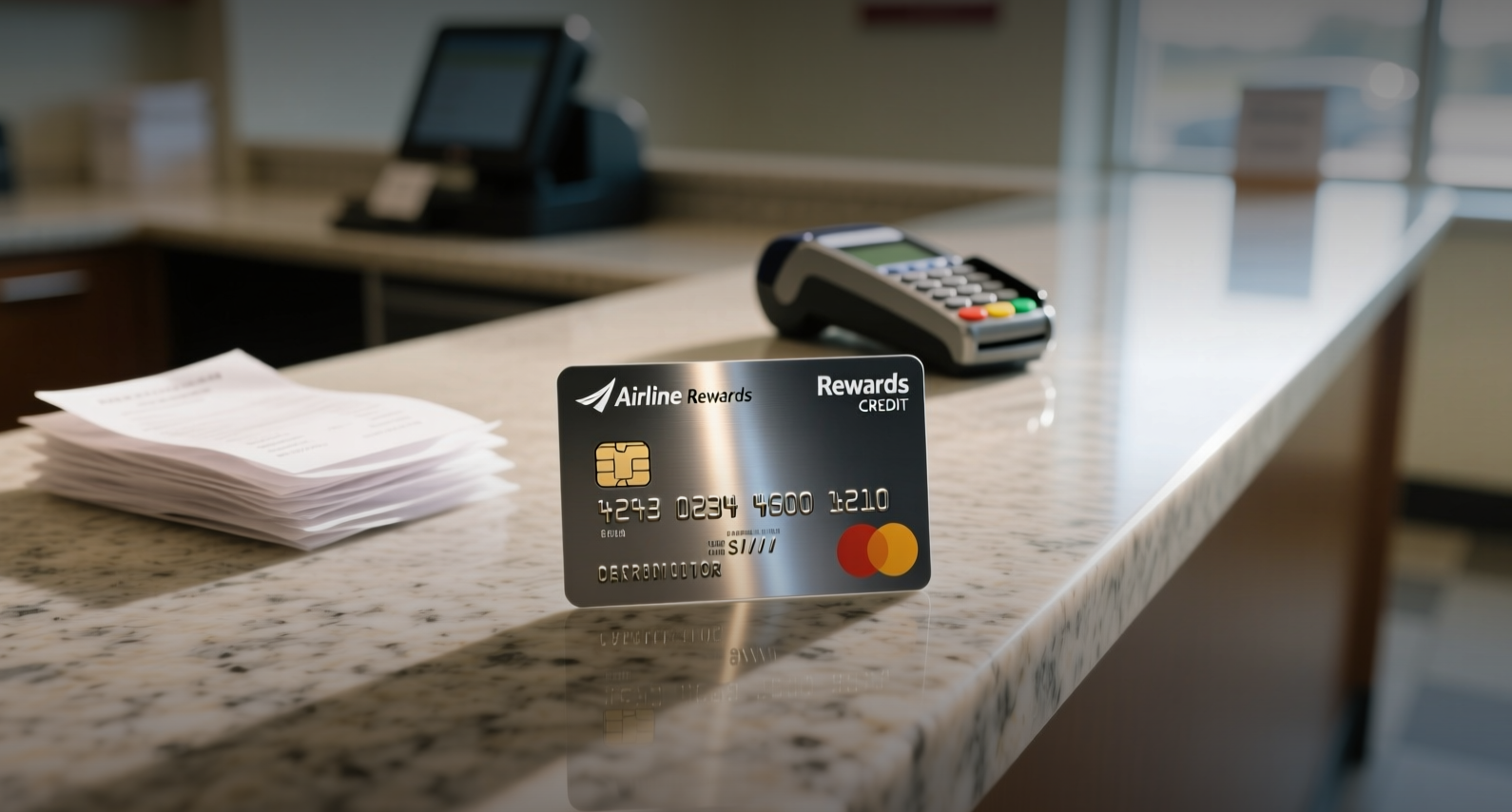
Credit card rewards are not free money: interest charges account for 80 percent of issuer profitability, according to a 2022 Federal Reserve analysis, meaning consumers who carry balances pay for their own points.
"Some airline cards offer perks like free checked baggage, memberships to ride-sharing VIP programs or airport lounge access, and those perks can be really valuable. But if you rarely use the card, don't earn many points, don't use any of the perks and pay a hefty annual fee every year, you might actually be losing money," Dan Stous, CFP and lead wealth advisor at Flagstone Financial Management, said.
Interchange fees — the swipe fees merchants pay to accept credit cards — typically run 1.5 percent to 3.5 percent of each purchase. Cardholder fees, including annual, late, cash advance, balance transfer, and foreign transaction fees, comprise about 15 percent of credit card profitability. When subtracting the cost of rewards from interchange revenue, the net contribution is negative 4 percent, the Fed reports.
The Credit Card Competition Act, introduced in 2022 and reintroduced several times without passage, could lower swipe fees by encouraging more competition among card processors. If passed, the bill would likely reduce or eliminate rewards on many cards. For consumers, the math is straightforward: paying balances in full each month and avoiding unnecessary fees keeps rewards value intact, while carrying balances or paying late fees erases earnings.
Credit card issuers deploy rewards as a customer acquisition and retention tool, using three primary revenue streams to cover the cost. Interest on outstanding balances is the largest, comprising 80 percent of issuer profitability per the Fed's 2022 analysis. Cardholder fees contribute roughly 15 percent, spanning annual fees, late fees, cash advance fees, balance transfer fees, and foreign transaction fees.
Merchant interchange fees complete the picture. These swipe fees, typically 1.5 percent to 3.5 percent of each transaction, are paid by merchants but baked into consumer prices. Co-branded cards with airline and hotel loyalty programs use a portion of interchange revenue to purchase points or miles from partners — a significant revenue source for major U.S. airlines, given that premium cards carry higher interchange rates.
The economics are revealing: after subtracting the cost of rewards from interchange revenue, the net contribution is negative 4 percent, according to the Fed. Without the transaction revenue stream, issuers would likely not offer rewards at all.
Interest payments on purchases are usually avoidable — they apply only to outstanding balances. Paying off purchases in full each cycle avoids interest charges. However, balance transfers and cash advances often begin accruing interest from the transaction date, making promotional zero percent APR periods the only safe window for those transactions.
Consumers can minimize their contribution to rewards costs through three practices. First, know the annual fee and interest rate before choosing a card. Many strong rewards cards charge no annual fee, and high annual fees are among the most avoidable costs. For cards that do carry fees, rewards and perks must offset the cost — welcome bonuses can cover the first year or two.
Second, pay balances in full each month. Interest charges can quickly turn a rewards card from a useful tool into a financial burden. For large purchases requiring a carried balance, a zero percent introductory APR card can avoid purchase interest for 12 to 18 months. Balance transfers and cash advances typically accrue interest from the transaction date, so those should only be used during promotional zero percent APR periods.
Third, don't chase rewards. Premium benefits should match an existing lifestyle. If a card requires spending you wouldn't otherwise do to justify its annual fee, it's probably not the right card. Rewards should be an added benefit on regular spending, not a reason to change shopping habits.
For consumers with limited credit history or poor credit, subprime cards with fees may be the only option available. In those cases, the fees are unavoidable, but the same principles apply: pay balances in full, avoid late payments, and use rewards as a secondary benefit rather than a primary reason for spending. Rates, fees, and rewards terms change frequently — verify current terms against the latest official card issuer disclosures before making decisions.
This article is for informational purposes only and does not constitute investment advice.
