
The Dow Jones Industrial Average is consolidating below 55,000 as U.S.-Canada tariff talks support sentiment while elevated Treasury yields and record AI investment collide.
The Dow Jones Industrial Average is consolidating below 55,000 as U.S.-Canada tariff talks support sentiment while elevated Treasury yields and record AI investment collide.
The Dow Jones Industrial Average fell 0.84 percent to 53,265 on Thursday as the 10-year Treasury yield at 4.74 percent pressured valuations, before recovering Friday as U.S.-Canada tariff negotiations raised hopes for a trade deal.
Cloud capital expenditure will grow about 29 percent in 2027, with spending projected to reach $1.4 trillion, according to Morgan Stanley, even as higher financing costs threaten the economics of the AI buildout.
The S&P 500 dropped 1.43 percent and the Nasdaq 100 fell 2.52 percent on Thursday. Walmart fell more than 10 percent after posting lower comparable sales and a disappointing earnings forecast. WTI oil trades near $87 per barrel and Brent near $94. The 30-year Treasury yield closed near 5.27 percent.
The Dow's path depends on whether the 52,400 support holds and whether a break above 55,000 opens the way toward 60,000. A confirmed U.S.-Canada trade deal could ease input costs for industrial companies, but high borrowing costs and uncertain AI returns remain the primary risks.
The U.S. and Canada are attempting to draft a trade deal before new tariffs take effect, with negotiators meeting for a third straight day on Friday. If no agreement is reached, President Trump has threatened a 50 percent tariff on approximately $20 billion in Canadian products. Canadian officials said the two sides were close to a deal, with proposed terms including a cut in tariffs on Canadian-made vehicles from 25 percent to 15 percent and steel and aluminum tariffs from 50 percent to 25 percent.
A confirmed deal would reduce cost pressures for Caterpillar, Boeing, Honeywell and 3M, which rely on metal inputs. It could also ease inflation concerns, as tariffs tend to drive up prices of imported goods.
Trump also spoke with Brazil's President Luiz Inácio Lula da Silva on Friday about U.S. tariffs on Brazilian exports, which include 25 percent duties on certain products and 12.5 percent on goods tied to forced labor. Brazil has opened a reciprocity process that could lead to countermeasures. Trump separately announced a plan to import up to 300,000 metric tons of ground beef over the next three months at prices 25 percent below current market rates, a move aimed at easing food inflation.
The 10-year Treasury yield closed at 4.74 percent while the 30-year yield stayed near 5.27 percent, levels that increase borrowing costs for households and businesses and enhance the appeal of bonds over stocks. The Treasury Department's debt-buyback program, doubled from $2 billion to $4 billion per operation, provided only short-term relief. Treasury Secretary Scott Bessent suggested the amount could rise further, but investors remain concerned about government debt and the large volume of bonds entering the market. The national debt surpassed $40 trillion, according to the U.S. Treasury.
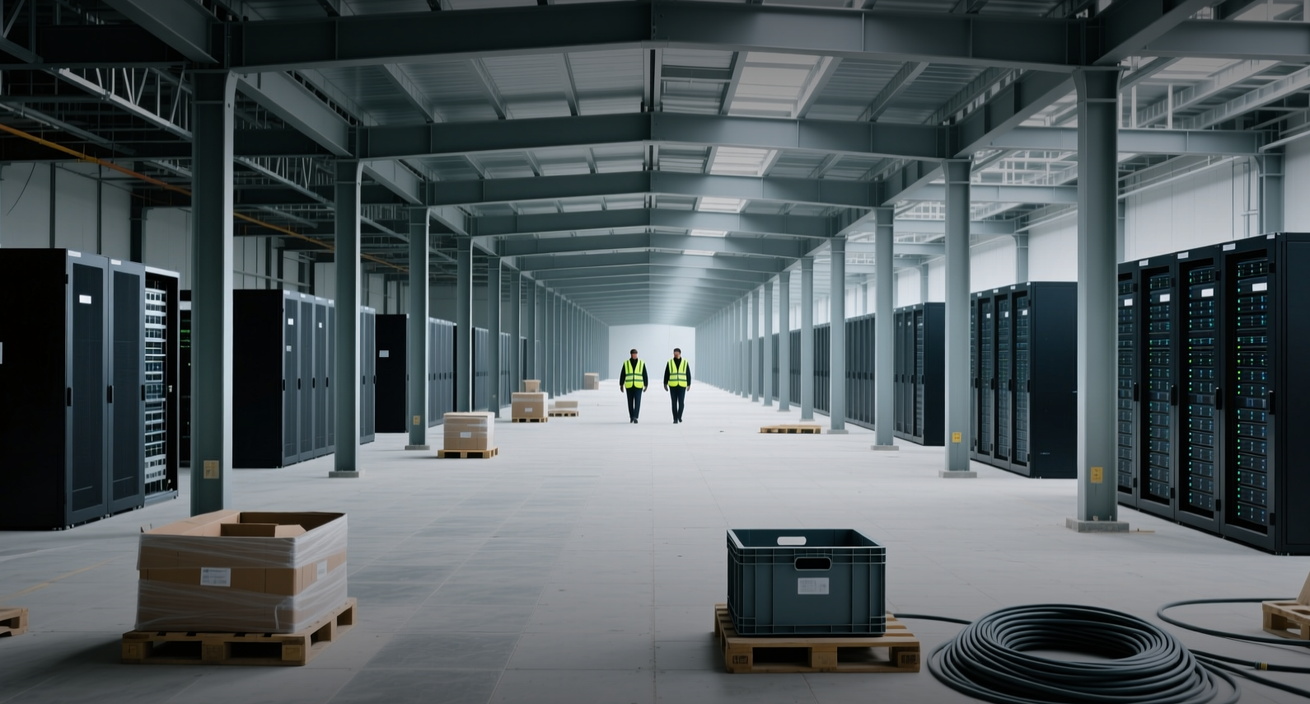
Record AI investment provides a counterweight. Private investment in computers and peripheral equipment reached $790.61 billion in the first half of 2026, or 1.23 percent of nominal GDP, exceeding the Dotcom boom peak of about $210 billion in the second half of 2000.
Amazon raised its 2026 capital expenditure forecast to about $220 billion, Alphabet to $195-205 billion, Meta to $130-145 billion, and Microsoft to $190 billion. Cloud capital expenditure will grow about 29 percent in 2027, according to Morgan Stanley, with consensus estimates near $1.2 trillion and Morgan Stanley projecting $1.4 trillion.
But the financing structure carries risk. Hyperscalers use leases, private credit and off-balance-sheet arrangements to fund deployment, spreading risk through the financial system. Higher interest rates make new data center projects more expensive, and competition could squeeze AI service pricing.
The weekly chart shows the Dow hit the 55,000 target defined by an inverted head and shoulders pattern from September 2021 to October 2023 and an ascending broadening wedge from February 2024. After reaching that level, the index dropped to a low at 52,756 and is now consolidating. As long as 50,000 holds, an upside breakout above 55,000 opens the way toward 60,000.
Short-term support sits at 52,700, with additional support at 52,400 defined by the lower boundary of the ascending channel pattern. A break below 52,700 could introduce a deeper decline toward 50,000.
The outlook for the Dow remains bullish above 50,000, but elevated Treasury yields, rising oil prices and weaker consumer spending could limit the rally. A trade deal with Canada would reduce cost pressures, while the AI investment boom supports economic growth — provided financing costs and returns hold up.
This article is for informational purposes only and does not constitute investment advice.
