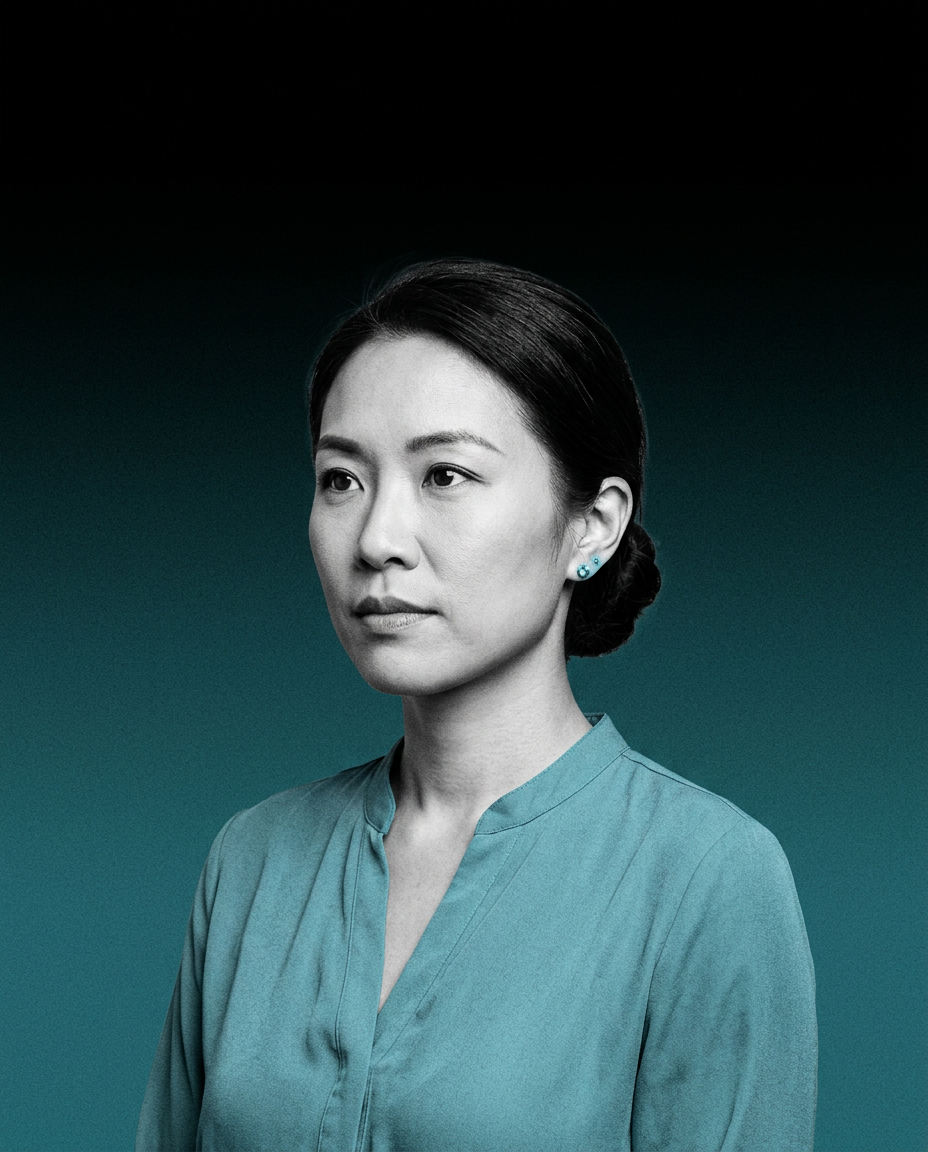
A WSJ food crawl through Taichung and Taipei finds Taiwan treating shared Chinese culinary heritage as something to savor rather than broadcast.
A WSJ food crawl through Taichung and Taipei finds Taiwan treating shared Chinese culinary heritage as something to savor rather than broadcast.
A Taichung dinner of scallion stalks carved like ink brushes struck WSJ Chief China Correspondent Lingling Wei as the most culturally fluent Chinese meal of her life — served in Taiwan, not the mainland.
"Every element — the reverence for ingredients and the literary references baked into the plating — was unmistakably, deeply Chinese," Wei wrote in the WSJ China newsletter. "And yet I was in Taichung, in central Taiwan, not Beijing or Shanghai."
The meal, which also included yellow croaker steamed in fragrant rice wine and a whole fruitwood-roasted duck carved three ways tableside, crystallized a divergence Wei says she observed across a dozen meals on the island. Taiwan and the mainland share a common Chinese cultural heritage, but Taiwan more often treats it as something to enjoy than something to display, prove or broadcast.
On the mainland, where Wei grew up, elaborate dining tends toward two poles: stiff banquet formality heavy on baijiu-fueled toasts to whoever outranks you, or "Chinese fine dining" that is really a French-style tasting menu with local ingredients. The Taichung meal was neither. The scallion-brush presentation only works if the kitchen and the diner are both already in on the reference — the enjoyment is in not needing to explain it.
A Robot Waiter, Three Dishes and the Clean Plate Campaign
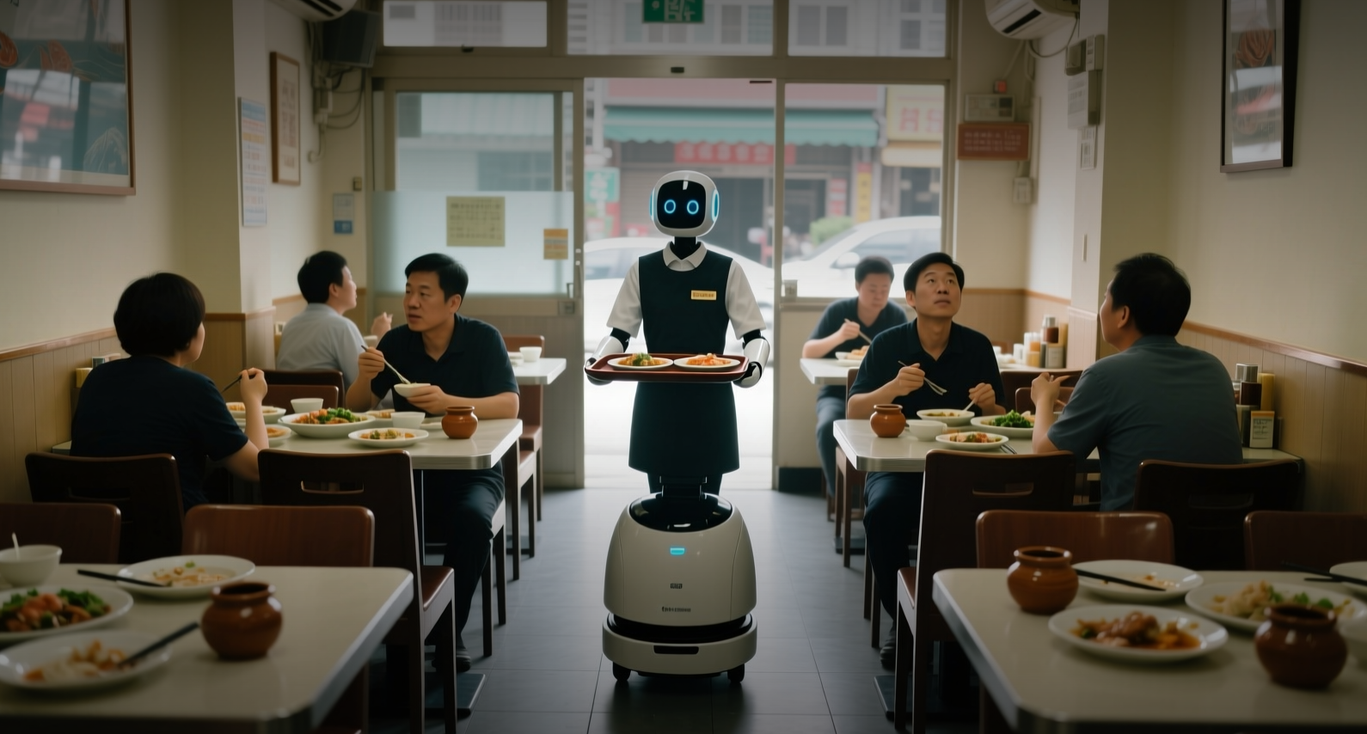
The pattern repeated across Wei's trip. At a mid-range seafood restaurant in Taipei packed with locals, a squat robot server rolled between tables ferrying dishes, and nobody looked up. The technology was simply absorbed into the rhythm of the room. On the mainland, Wei notes, the same robot would arrive as a viral clip and a "look how advanced we are" flex — technology used as spectacle as much as a tool.
Portion sizes told a similar story. At a casual Taipei spot, Wei ordered three dishes for lunch alone — a whole fried fish in sweet-tart sauce, braised pork in a clay pot, and tofu in a sizzling skillet — and finished everything without feeling stuffed. The portions were sized for pleasure, not a food-coma dare. On the mainland, the Communist Party runs a campaign against food waste, with Xi Jinping twice backing the "Clean Plate" campaign (光盘行动) that urges restaurants to order one dish fewer than the headcount.
Set those scenes side by side, Wei argues, and Taiwan's food culture treats tradition, tech and abundance as things that exist for the diner's pleasure. Nothing is enlisted to make a larger point about civilizational greatness. A mainland version of Chinese culture, at least in the banquets and buildings Wei grew up around, often needed official sanction before tradition could be revived, and modernity needed to be broadcast to count.
The same pattern appears in religion. Wei found Taiwan's temples thick with incense and unbothered worshippers this summer, versus a mainland faith largely dismantled in the Cultural Revolution and revived only under the party's careful management.
"Left alone, tradition gets sillier and more alive," Wei wrote, "whether it involves a god, a robot, or a scallion masquerading as a paintbrush."
The observation carries weight beyond the dinner table. Taiwan's legislature recently approved a $7 billion six-year plan to build a military drone supply chain free of Chinese components, and Beijing continues to insist the island is not really its own country. Yet on the cultural front, Wei's reporting suggests, the mainland's insistence on broadcasting its civilizational achievements may be obscuring what Taiwan has quietly preserved: a Chinese tradition that needs no audience.
This article is for informational purposes only and does not constitute investment advice.
