
European natural gas prices extended gains Tuesday as renewed U.S. strikes near the Strait of Hormuz deepened supply fears, with regional storage at 65.09 percent capacity and demand firm ahead of winter.
European natural gas prices extended gains Tuesday as renewed U.S. strikes near the Strait of Hormuz deepened supply fears, with regional storage at 65.09 percent capacity and demand firm ahead of winter.
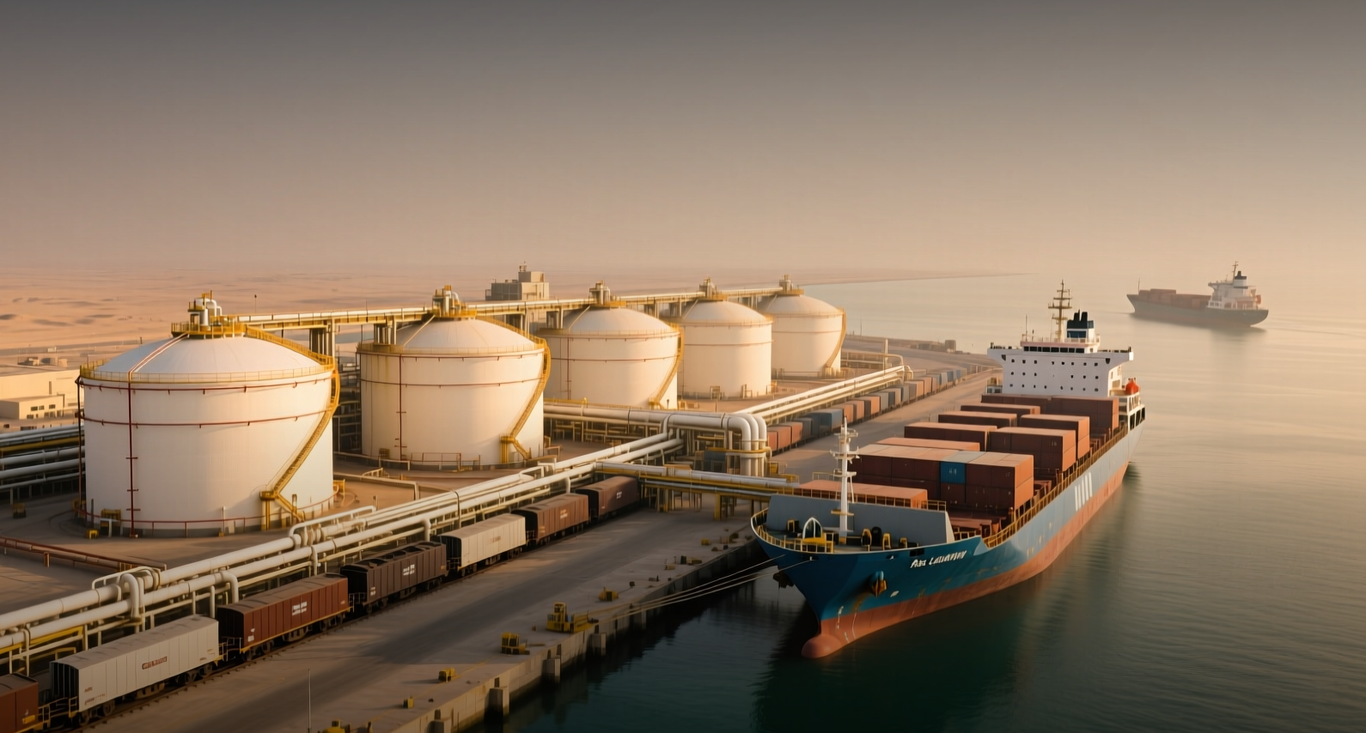
European natural gas prices rose Tuesday as U.S. strikes on Iran's Larak Island revived supply-disruption fears, with regional inventories at 65.09 percent capacity and demand firm ahead of the winter heating season.
"The geopolitical risk premium is back in the gas market because the Strait of Hormuz remains the choke point for global LNG," said Rahul Choudhary, vice president of upstream research at Rystad Energy. "Any escalation that threatens the waterway directly raises the cost of replacing lost Qatari volumes."
Brent crude climbed 2.5 percent to $90.31 a barrel and West Texas Intermediate gained 2.2 percent to $85.23 after U.S. forces struck two Iranian rocket launchers on Larak Island on Sunday, the first publicly acknowledged American attack on Iranian positions since late July. Iran's Revolutionary Guards said it responded with strikes on two U.S. bases in Jordan. Natural gas futures traded at $2.883 per million British thermal units.
The escalation compounds a supply picture already strained by six months of conflict. The Strait of Hormuz, through which one-fifth of the world's oil and natural gas moved before the war, remains largely closed to commercial traffic despite a temporary Iran-Oman route agreed last week. Attacks on Qatar's Ras Laffan hub, the world's largest LNG export terminal, have knocked roughly 13 million tonnes of capacity offline for an estimated three to five years at a repair cost of about $3 billion, according to Rystad.
Storage Tightens Ahead of Winter
European inventories at 65.09 percent capacity sit below typical seasonal levels, leaving the region exposed if winter demand runs high or Qatari cargoes stay scarce. ExxonMobil's share of LNG supply from Qatar is expected to fall to about four million tonnes this year from 13 million tonnes in 2025, while ConocoPhillips' volumes drop to one million tonnes from 2.5 million tonnes, Rystad estimates.
Demand is adding to the squeeze. Cooling loads across southern Europe and steady industrial offtake have kept withdrawals firm through the shoulder season, and utilities are competing for spot cargoes that would normally flow to Asia. Washington's sanctions push compounds the tightness: Treasury Secretary Scott Bessent has warned of new secondary sanctions every week, which could further restrict Iranian exports and keep global supply lean.
The supply risk premium is feeding through to the broader economy. Higher gas prices lift power costs for energy-intensive manufacturers and household bills, adding to inflationary pressure in the euro area just as the Federal Reserve weighs a September rate hike. Fed funds futures now imply about a 60 percent probability of a 25-basis-point increase on Sept. 16, up from roughly 35 percent before Chair Kevin Warsh's hawkish Jackson Hole speech. European energy shares have outperformed as the conflict boosts producers, while airlines and chemical makers face margin pressure from higher fuel and feedstock costs.
The last time European gas storage sat this low entering autumn, in 2022, benchmark prices spiked to record levels as Russia cut pipeline flows, forcing governments to subsidize household bills. The current conflict lacks that direct supply cut, but the loss of Qatari LNG capacity and the closed strait create a similar vulnerability.
If the U.S.-Iran standoff persists through the fourth quarter, traders will price a sustained premium into winter contracts. If the temporary Hormuz route expands and Qatar repairs trains faster than expected, the risk premium could unwind quickly. For now, the market is betting on the former, with storage levels leaving little margin for error.
This article is for informational purposes only and does not constitute investment advice.
