

Key Takeaways: Ferrari's first all-electric car sold for $40 million at a charity auction, setting a record for the most expensive new car ever sold at public auction.
Key Takeaways: Ferrari's first all-electric car sold for $40 million at a charity auction, setting a record for the most expensive new car ever sold at public auction.
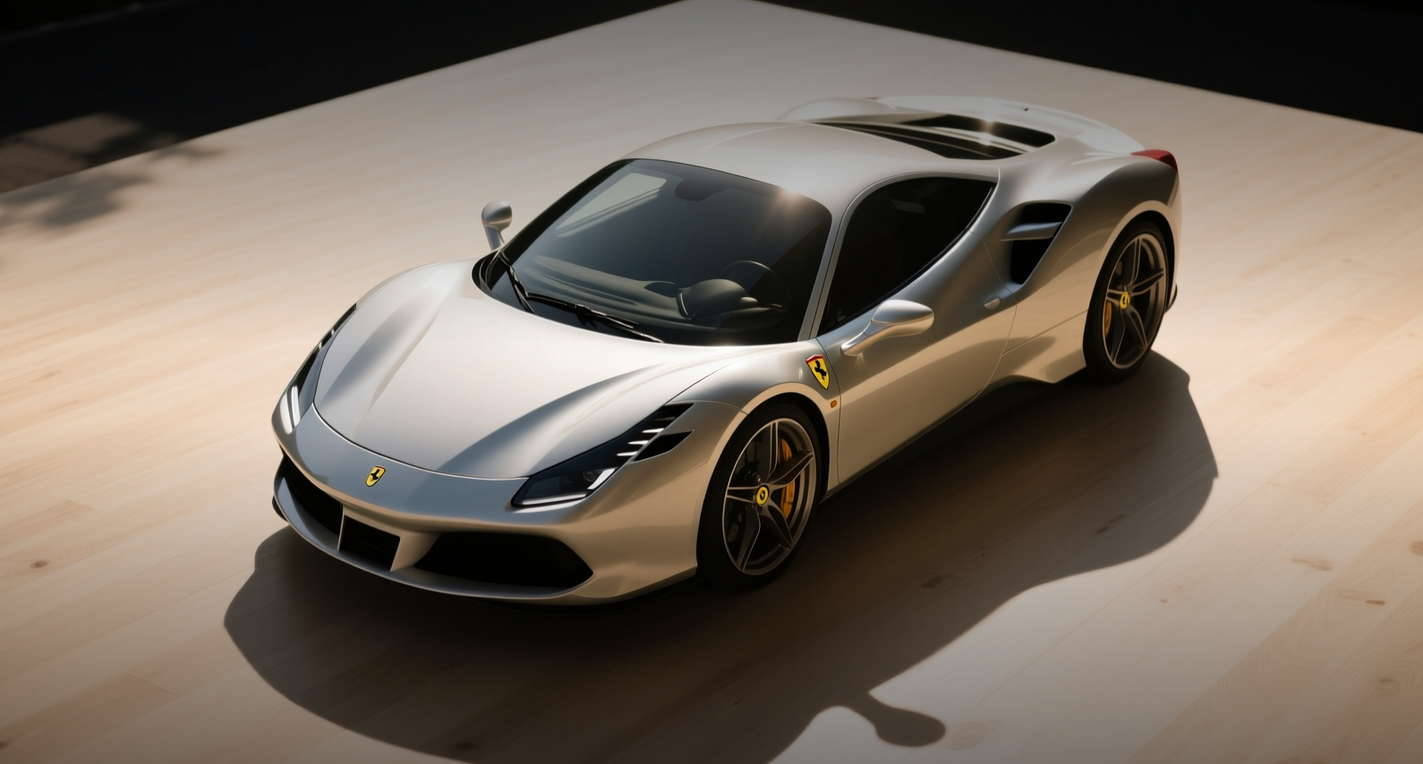
Ferrari's first all-electric Luce sold for $40 million at an RM Sotheby's charity auction during Monterey Car Week, setting a record for the most expensive new car ever sold at public auction.
"The Ferrari Luce has nothing to do with electric cars you have seen from other players," CEO Benedetto Vigna said at the May unveiling. "You have to see it and drive it to understand that it wasn't copied, not the interiors, not the exterior, not the performance."
The tailor-made example, developed with LoveFrom, the design studio founded by former Apple design chief Jony Ive, beat the previous new-car auction record of $26 million set last year by a customized Daytona SP3. The four-door EV produces more than 1,000 horsepower and carries a base price of about €550,000 ($636,356). Proceeds from the sale go to Ferrari's foundation for educational programs.
The auction result comes nearly three months after the Luce's May debut drew heavy criticism and sent Ferrari shares sliding. The record bid shows the brand's exclusivity can carry into its electric era, and it arrives as Ferrari raised its full-year guidance last month after second-quarter results beat Wall Street expectations, driven by orders for limited-run models including the F80 and a pricier Purosangue.
The Luce represents a notable break from Ferrari's combustion-engine tradition, and its debut was met with what analysts described as "design hate" and the market adage of "travel and arrive" — noting the stock had risen significantly ahead of launch. The negative reaction came even as other sports car makers, notably Porsche and Lamborghini, scaled back their own EV plans because of weak demand.
The $40 million result at Monterey Car Week — a key stage for record-breaking collector car sales — gives Ferrari a chance to reset that narrative. High-priced collector sales are a visible measure of brand heat, and that heat can support resale values across the lineup and expectations for new allocations.
For the world's wealthiest car buyers, owning the first dedicated electric Ferrari appears to be a prize beyond the car's performance specs. The winning bidder, who was not named, paid more than 60 times the Luce's base price for the first production chassis, which featured a unique semi-gloss finish and other bespoke parts.
Ferrari's underlying economics have remained strong despite the May backlash. In late July, the company lifted its full-year guidance after second-quarter results got a boost from orders for limited-run models such as the F80 and a pricier Purosangue four-seater. Milan-listed shares of Ferrari are up nearly 12 percent so far this year.
The auction's success also strengthens Ferrari's broader commercial strategy. Limited-run models have already driven recent earnings gains, but the Luce's record bid suggests demand for the EV remains intense even after early skepticism. That interest could translate into strong order books for the forthcoming production version.
Ferrari's ability to maintain premium pricing during its electric transition will be closely watched by investors and rivals. The $40 million sale, while a charitable gesture, also serves as a marketing signal that Ferrari can extend its aura of scarcity into a new era. For collectors, the Luce now holds a place alongside classic V12 models, and future allocations may be more hotly contested as a result.
The auction result doesn't settle the design debate, but it confirms the brand's financial firepower remains intact as it shifts away from combustion engines. Ferrari shares, trading on the New York Stock Exchange under the ticker RACE, have held their gains this year even as the EV rollout faced skepticism. The record bid provides a fresh data point for investors weighing whether the market has fully priced in Ferrari's electrification strategy.
This article is for informational purposes only and does not constitute investment advice.
