
Key Takeaways:
- COMEX gold rose 0.6% to $4,386.50 an ounce, a nine-week high
- Safe-haven buying strengthened as investors await US inflation data
- Brent crude +5.2% to $87.87 | S&P 500, Nasdaq retreat
Key Takeaways:
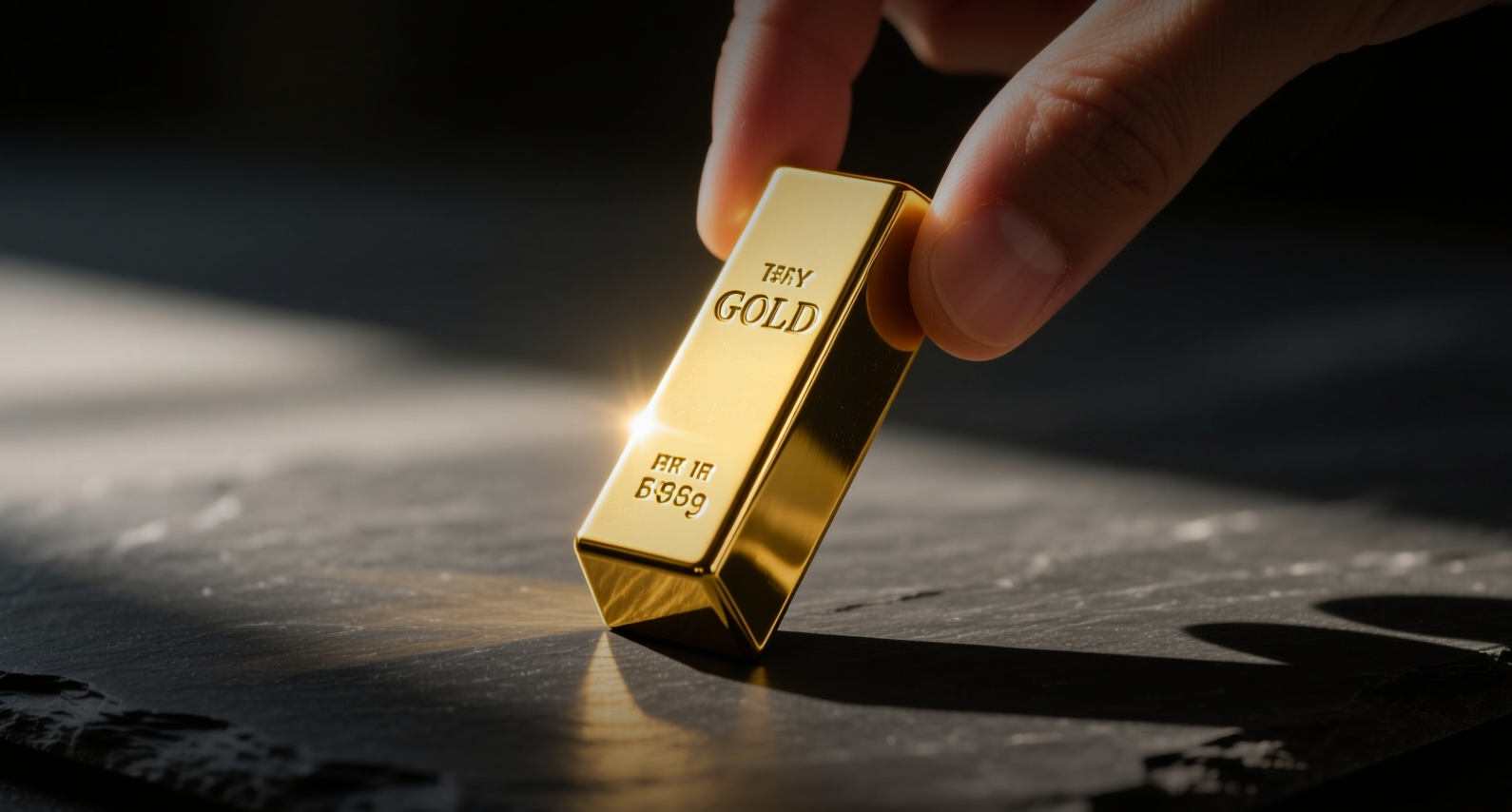
COMEX gold climbed 0.6% to $4,386.50 an ounce, a nine-week high, as safe-haven demand strengthened ahead of US inflation data.
Gold rose to a nine-week peak on Monday as bullish momentum and fear of missing out propelled prices forward, while investors awaited key US inflation data to gauge the Federal Reserve's policy moves, according to Reuters market data. The metal added $24.70 on the session, extending a run that has kept spot prices above $4,300 for much of the past month. Safe-haven buying has been the primary driver, with investors rotating into the metal as geopolitical tensions and rate uncertainty cloud the outlook.
The advance unfolded as oil prices jumped more than 4%, with Brent crude settling 5.2% higher at $87.87 a barrel after Iran and the United States traded demands for compensation, dimming prospects for a deal to reopen the Strait of Hormuz. President Donald Trump said the US was only "semi-negotiating" with Tehran, even as the strategic petroleum reserve fell below 300 million barrels, the lowest since 1983.
Fed officials have reinforced the inflation focus. Cleveland Fed President Beth Hammack said one 25-basis-point move "probably doesn't do a whole lot" to bring down persistent inflation, while Governor Lisa Cook said she is prepared to raise interest rates if inflation remains elevated. Those comments kept rate-cut expectations in check, supporting gold's appeal as a store of value.
The safe-haven bid extended across the commodity complex. Silver climbed alongside gold, while the broader precious metals group drew support from the same geopolitical and macro drivers. The Hormuz closure has also hit energy producers directly, with Abu Dhabi's ADNOC Gas reporting a 52% slide in second-quarter profit as sales were curtailed by the strait's closure after US and Israeli attacks on Iran. The standoff has kept a floor under energy and precious metals prices alike, with traders pricing a prolonged disruption to Gulf shipping lanes.
Gold's move reflects a broader risk-off tilt, with the S&P 500 and Nasdaq retreating Monday as investors weighed the inflation outlook and the Hormuz standoff. The US inflation release is the next key data point, shaping expectations for the Federal Reserve's September meeting. A higher-than-expected print would likely extend gold's safe-haven bid, while a cooler reading could prompt profit-taking after the metal's climb to a nine-week high. Either way, the metal's elevated level points to investors pricing sustained uncertainty into the months ahead.
This article is for informational purposes only and does not constitute investment advice.
