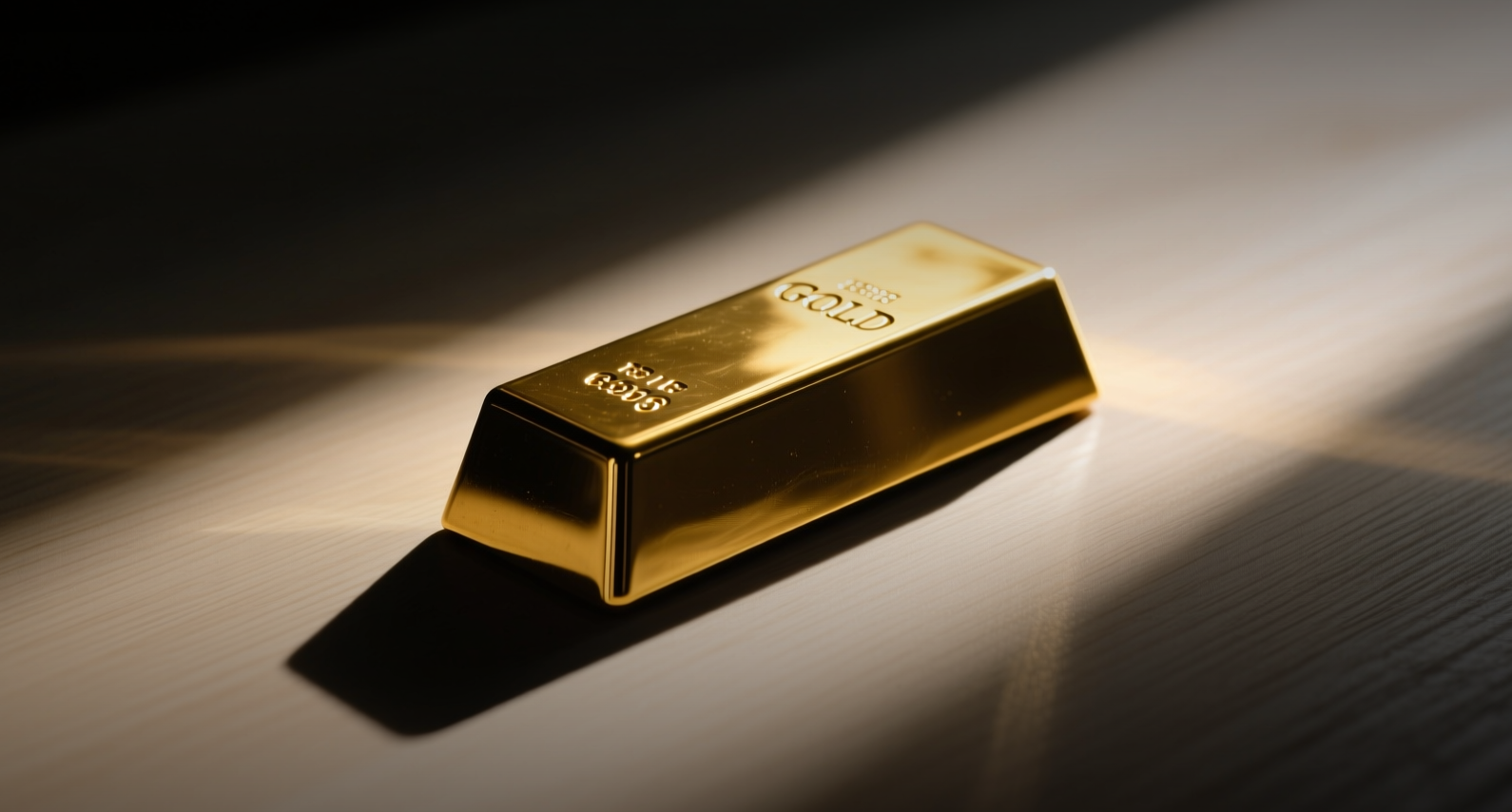
Gold is consolidating above $4,000 an ounce, a pattern one strategist says signals underlying strength rather than exhaustion.
Gold held above $4,000 an ounce on Wednesday, trading at $4,060.41 as investors looked past persistent inflation fears to focus on the metal's safe-haven appeal. The spot price rose 0.19% in the past 24 hours after touching an intraday low of $3,985.81.
"The fact that gold is holding above $4,000 despite persistent inflation fears is constructive for the medium-term outlook," Ole Hansen, head of commodity strategy at Saxo Bank, said. The metal has been unable to gain enough momentum to break through initial resistance at $4,100 an ounce, he added.
Gold remains 27% below the 52-week intraday high of $5,597.23 set on Jan. 29 and 24% above the 52-week low of $3,283.00. The Gold Cycle Indicator, a technical measure tracked by analyst AG Thorson, finished at 37 after reaching a low of 14 in June — a level that has historically marked multiple bottoms. Gold is down 0.41% from last week and 5.78% from one month ago, according to market data.
A sustained close above $4,250 would confirm that gold has bottomed at the lower end of its target box, with some analysts projecting prices above $7,000 next year. The next catalyst is the July U.S. economic data calendar, which will shape Federal Reserve rate expectations and determine whether gold can break through resistance at $4,100.
The broader precious metals complex shows similar bottoming patterns. Silver is working on a base in its target box, with a price target north of $150 appearing reasonable if gold trades above $7,000 as forecast, Thorson said. Platinum slipped briefly below the lower end of its target box but likely bottomed in June, trading at roughly 40% of gold's price per ounce — a valuation gap that some analysts view as an opportunity for catch-up gains into 2030.
Mining equities are also approaching what analysts believe will be a durable bottom. The VanEck Gold Miners ETF (GDX) is trading in the middle of its target zone, with a close below $74.50 potentially signaling further downside. Junior miners tracked by the GDXJ ETF are also near a low, though a final dip in July cannot be ruled out if prices close below $96.00.
The longer-term outlook remains bullish. AG Thorson projects gold reaching $10,000 to $15,000 and silver achieving $300 to $500 over the next five years, with a particular focus on 2031. His broader economic framework anticipates the next major economic downturn starting around 2030, which could further boost demand for precious metals as a store of value.
This article is for informational purposes only and does not constitute investment advice.