Google's bet on the Steel River Energy Center shows how Big Tech is using massive solar-and-storage projects to offset surging data center demand — even when the electrons don't flow directly to its servers.
Google signed a power purchase agreement with Cypress Creek Energy to buy the full output of the first two phases of the Steel River Energy Center in Mississippi County, Arkansas, a solar-plus-storage facility that will be the largest in the US once fully built. The first two phases total 1.6 GWdc of solar capacity and 1.9 GWh of battery storage, backed by $3.5 billion in project financing from Barclays, BNP Paribas, Santander, and Wells Fargo.
"This is a game changer for our clean energy portfolio," Michael Terrell, Google's global head of advanced energy, said in a statement. "By pairing massive solar arrays with battery storage, the project can store the sun's peak daytime output and feed it back into the grid exactly when it's needed most."
The facility will connect to the grid operated by Entergy Arkansas within the Midcontinent Independent System Operator wholesale market, meaning the power Google pays for enters the regional grid rather than flowing directly to its data centers. Google's electricity consumption rose 37% last year, driven largely by AI workloads, and its emissions climbed by the same amount — a dynamic that makes virtual power purchase agreements like this one central to its decarbonization strategy.
Why virtual PPAs matter for Big Tech's carbon math
Under the deal's structure, Google receives the renewable energy credits while the physical electrons serving its nearby data centers may still come from fossil fuels at any given moment. This approach — common across hyperscalers — lets companies claim clean energy usage while underwriting new renewable capacity that otherwise might not get built. Meta used a similar structure for a 200 MW Texas solar plant, and Amazon locked up the 1.2 GW Sunstone solar-and-battery project in Oregon.
The Steel River project will inject an estimated $300 million into the local tax base over its lifetime and create about 700 construction jobs during each phase. Google also committed $5 million to energy affordability initiatives in Arkansas, including community solar subscriptions for low-income customers in West Memphis and efficiency upgrades for local schools. Cypress Creek added a $3 million community investment commitment.
A domestic supply chain built on Arkansas steel
Mississippi County produces more steel than any other US county, and the project's supply chain reflects that. Cypress Creek will buy an estimated 400,000 steel piles from Paco Steel in Blytheville, about 30 miles north, sourced from coils produced at US Steel's Big River Steel facility in Osceola, roughly 10 miles from the project site. The piles will support steel trackers from Nextpower, which operates domestic factories from Pittsburgh to Memphis to Las Vegas.
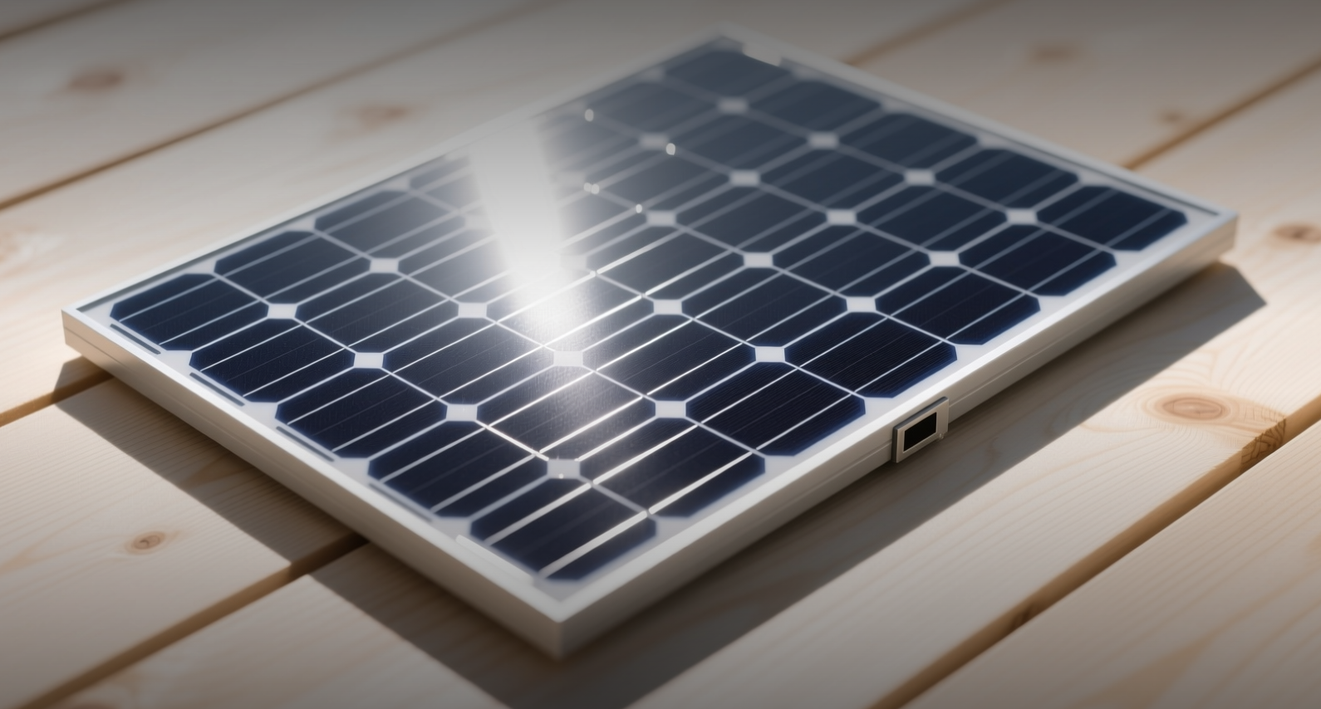
The solar panels — 3 million for the first two phases — come from First Solar's 3.5 GW factory in Lawrence County, Alabama, which opened in 2024. The batteries are supplied by LG Energy Solution Vertech, which has led efforts to onshore grid battery cell production in the US and Canada. The US is on track to become self-sufficient in grid battery supply by the end of this year.
"Some people still question whether a domestic solar supply chain is possible," Cypress Creek CEO Kevin Smith said. "This project is proof."
Solar economics survive policy headwinds
The project moved forward despite a series of policy blows during the second Trump administration, including fluctuating tariff policies that raised material costs unpredictably and a budget law that revoked a lucrative solar tax credit. Cypress Creek locked in its tax credits before the July 4 expiration. Arkansas has no state-level renewable incentives or mandates, meaning the project had to succeed on competitive market economics alone.
"Coal used to hang its hat on being the cheapest. That's just not the case anymore," said Lauren Waldrip, executive director of the Arkansas Advanced Energy Association. "Solar is one of the best options, especially when you couple storage with it."
The full three-phase buildout by 2029 will bring total capacity to 2.45 GWdc of solar and 2.9 GWh of storage — enough to power more than 315,000 Arkansas homes annually, according to Google. That surpasses the 875 MW Edwards & Sanborn plant in California's Mojave Desert, which held the US solar capacity record after coming online in early 2024.
What this means for investors
Google's parent Alphabet trades at about 23 times forward earnings. The Steel River deal, while not material to Google's $350 billion-plus annual revenue, signals the scale of capital required to power AI infrastructure. The project's $3.5 billion financing package — supported by four major banks — demonstrates that large-scale solar-plus-storage remains bankable even in a volatile policy environment. For First Solar, the 3 million panel order provides a visible demand pipeline for its Alabama factory. For the broader clean energy sector, the project shows that AI-driven electricity demand is creating a new class of anchor customers willing to underwrite gigawatt-scale renewable projects.
This article is for informational purposes only and does not constitute investment advice.