
Key Takeaways:
- Hang Seng Index fell 2% as Alibaba plunged 10% in Hong Kong trading
- Alibaba priced HK$80 billion ($10.2 billion) share placement at HK$112.70
- Placement funds AI infrastructure push after 75% profit drop
Key Takeaways:
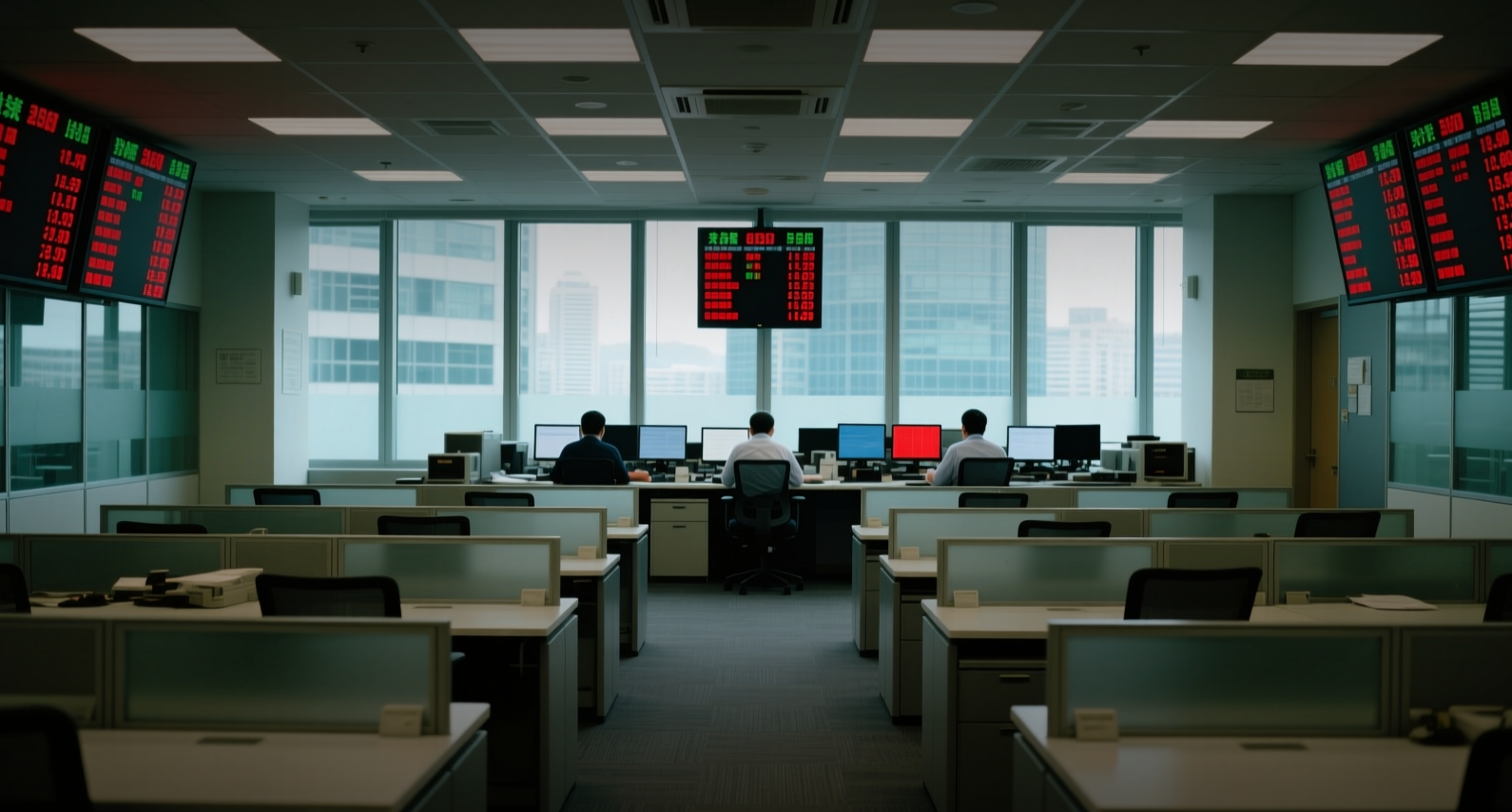
The Hang Seng Index fell 2% Monday as Alibaba Group (9988.HK) plunged 10% after pricing a HK$80 billion ($10.2 billion) AI share placement.
"I think Alibaba clearly is well positioned to chase that growth, given that they have a cloud computing arm, they have a very strong AI model," Vey-Sern Ling, senior equity advisor at UBP, said. "Profits might weaken in the near term, while capex might rise."
Alibaba will issue 710 million new shares at HK$112.70 apiece, an 8.4% discount to Friday's closing price of HK$123. The placement, expected to close Wednesday, comes days after the company reported a 75% drop in June-quarter profit as capital expenditure jumped 75% to 67.7 billion yuan.
The dilution crystallizes the cost of the AI arms race as Chinese tech giants race to match U.S. infrastructure spending. Alibaba pledged at least 380 billion yuan in AI and cloud investment over three years, while Tencent's capital expenditure rose 65% quarter-over-quarter to 52.8 billion yuan in the June quarter.
The selloff extended across the sector. Baidu (9888.HK) fell 12% after reporting second-quarter results below market expectations, while China Unicom dropped nearly 8% after first-half net profit declined more than 30%. The weakness rippled through mainland markets, with the CSI300 index falling 2.4% and the Shanghai Composite declining 2% as semiconductor and robotics shares came under heavy selling pressure.
The CSI Robot Index dropped more than 6%, while semiconductor shares declined about 7%, tracking weakness across global technology stocks as long-term borrowing costs climbed. Investors are increasingly focused on earnings quality and companies' ability to turn AI investments into sustainable revenue, according to Reuters.
Financial and property stocks performed relatively better in both mainland China and Hong Kong, helped by hopes for additional support for the struggling property market. China announced revised regulations allowing more flexible use of housing provident fund balances, a move expected to support housing demand.
The sharp decline in semiconductor and robotics shares highlighted the volatility surrounding China's technology sector, where strong expectations for AI and advanced manufacturing have pushed valuations higher even as investors demand evidence of sustainable earnings growth. The placement structure lets Alibaba raise cash without taking on debt, preserving financial flexibility in an uncertain macro environment, but the 10% share price collapse reflects investor skepticism about capital efficiency and return timelines in an AI investment cycle that typically takes years to generate meaningful returns.
This article is for informational purposes only and does not constitute investment advice.
