
U.S. employer health coverage costs are projected to rise 11.1% in 2027, the steepest yearly increase on record, as companies plan to push higher premiums and deductibles onto workers.
U.S. employer health coverage costs are projected to rise 11.1% in 2027, the steepest yearly increase on record, as companies plan to push higher premiums and deductibles onto workers.
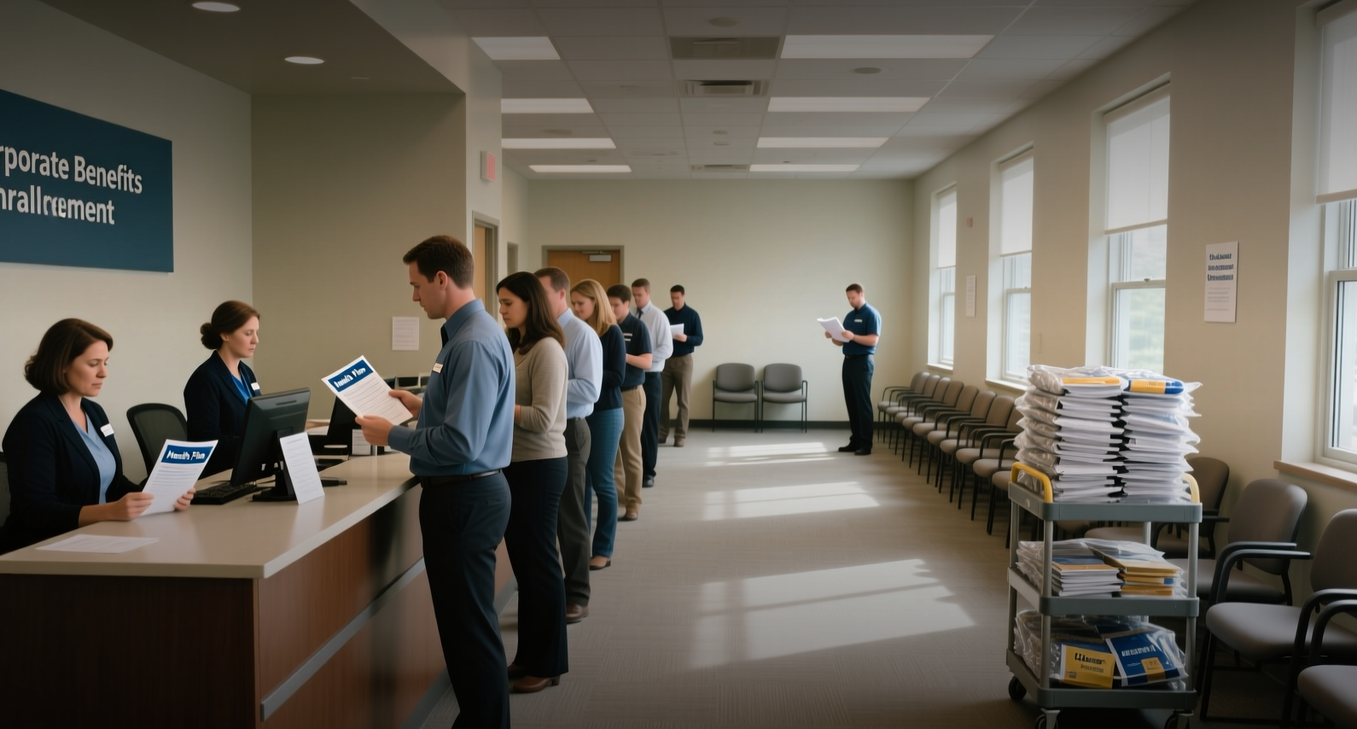
Workers with employer-sponsored health insurance face the costliest year on record in 2027, when coverage expenses are expected to jump 11.1% as companies shift a bigger share of the bill onto their workforce.
"At this level, rising healthcare costs become much more than a budgeting challenge," Mike Pasterick, head of health benefits in North America at Aon, said in a news release.
WTW's forthcoming Best Practices in Healthcare Survey, based on responses from 471 U.S. employers with at least 100 workers, projects workplace coverage costs will rise 11.1% next year if businesses make no cost-saving changes, and 9.7% if they do — either rate the highest yearly increase on record. The forecast converges with separate projections from Aon of 9.5% and the Business Group on Health of 9.2%.
For the roughly 155 million Americans covered through their jobs, the jump means larger monthly paycheck deductions and, for many, higher deductibles and out-of-pocket costs when open enrollment begins this fall.
The acceleration is no longer a post-pandemic blip. Before the pandemic, annual health insurance costs rose fairly steadily around 4%, then growth slowed to 2% in 2020 before rebounding above 5% in 2023, according to WTW. Employers and workers have since endured consecutive years of record-setting health-plan inflation, and the three surveys suggest no relief in 2027.
The forecasts point to common drivers. The number of high-cost claimants has grown in recent years, partly because of higher prevalence of cancer and other chronic conditions among working-age Americans. Skyrocketing prescription drug prices add to the burden, as does medical-care inflation tied to the cost of procedures, equipment and provider pay.
Average annual workplace premiums reached $9,325 for singles and $26,993 for families in 2025, according to the nonprofit health research organization KFF. Employers typically cover 84% of single-plan and 74% of family-plan costs, with the remainder deducted automatically from paychecks — about $120 and $571 a month, respectively.
Those norms are set to shift. By 2028, more than 7 in 10 employers say they plan changes that would increase their workforce's out-of-pocket healthcare expenses, up from 30% in 2026, and 85% of companies said they are considering raising employee premiums within two years. Higher deductibles — which average about $1,900 for singles and $5,100 for families, per KFF — are another lever companies are weighing.
Given the projected increases, employers are likely to make several changes at once, affecting coverage, monthly premiums and deductibles. With open enrollment approaching at most companies, workers should check with their human-resources department to understand what is changing and how it will affect their budget before the enrollment window closes. The figures above reflect 2025-2027 survey data and forecasts; readers should verify current rates and plan details against their employer's latest official open-enrollment materials.
This article is for informational purposes only and does not constitute professional or investment advice.
