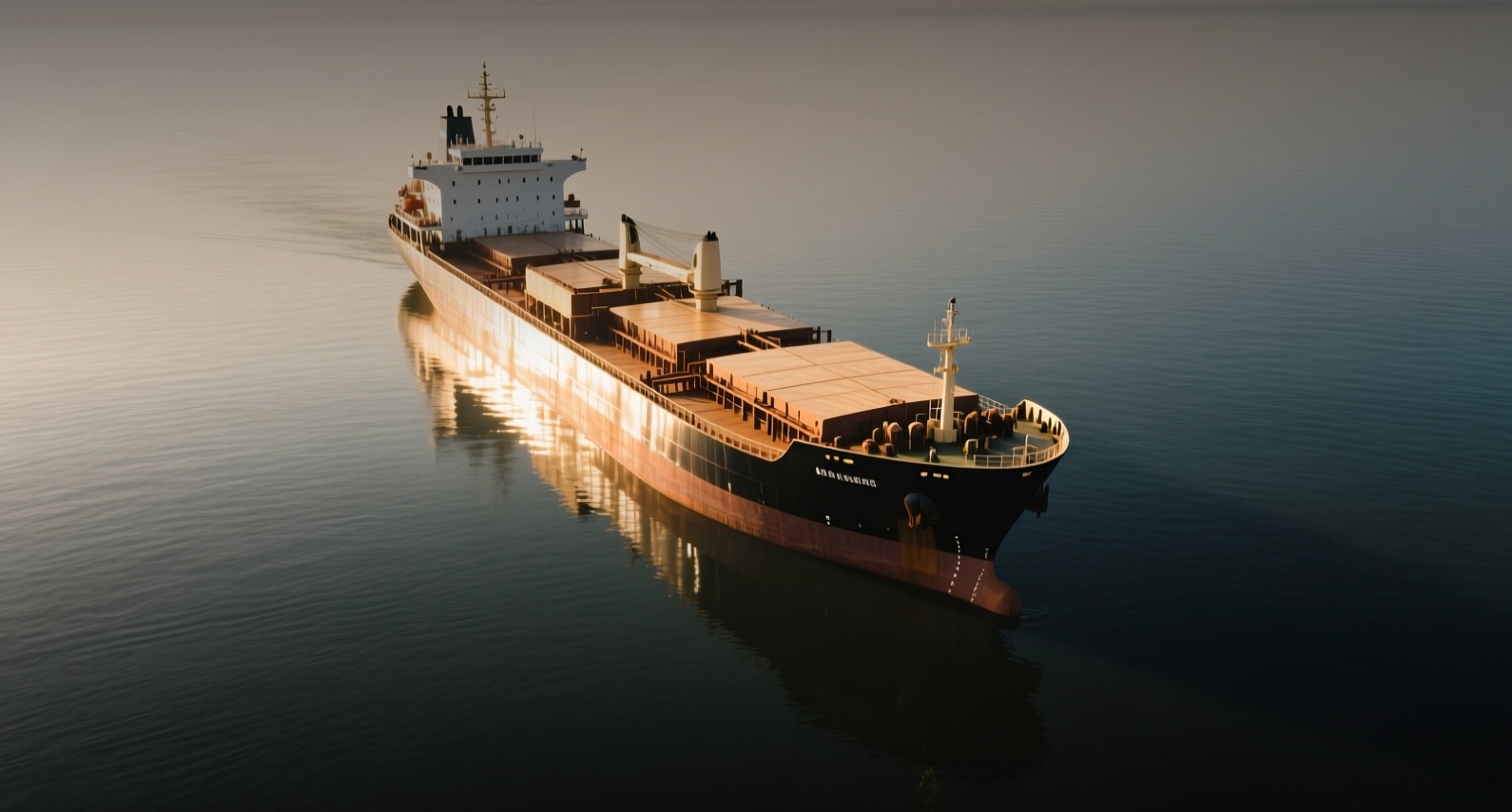
International Seaways (NYSE: INSW) reported record adjusted net income of $295 million, or $5.91 per diluted share, for the second quarter of 2026, beating the consensus estimate of $5.52 as geopolitical disruptions in key maritime chokepoints drove tanker rates to multi-year highs.
"Today's market conditions highlight the benefits of the platform we've built over the past several years," President and CEO Lois Zabrocky said. "We've positioned Seaways to maximize cash generation across market cycles by strengthening our balance sheet, lowering our cash break-even levels, and maintaining a balanced fleet across crude and product tankers."
Shipping revenues more than doubled to $467 million from $196 million a year earlier, while consolidated time-charter-equivalent revenues reached $434 million, up from $189 million. Adjusted EBITDA rose to a record $345 million from $102 million, and free cash flow hit $261 million, eclipsing the prior quarterly high by nearly $100 million, CFO Jeff Pribor said.
The revenue-day-weighted blended spot TCE rate of $79,000 per day compared with $55,600 in the first quarter. Crude tanker revenues totaled $253 million, including $51 million of profit-sharing from time charters that lifted blended VLCC earnings above $150,000 per day. Product carriers generated $181 million in TCE revenues, with MR spot rates averaging $60,342 per day.
The company declared a quarterly dividend of $5.05 per share, its largest ever and the third consecutive quarter with a payout ratio of at least 85 percent of adjusted net income. Dividends of $12.61 per share over the last 12 months represent a 21 percent yield. International Seaways ended the quarter with roughly $935 million of liquidity, net loan-to-value of about 6 percent, and 25 unencumbered vessels.
Management cited the conflict in the Strait of Hormuz and Houthi attempts to disrupt traffic through Bab el-Mandeb — waterways that historically handled nearly 25 million barrels per day of crude and products — as the primary driver of elevated ton-mile demand. On the supply side, roughly 30 percent of the global tanker fleet is over 20 years old, a share expected to exceed 50 percent by 2030.
The company contracted four additional LR1 newbuildings for $244 million, with delivery in the second half of 2028, at essentially the same price it paid three years earlier despite double-digit industry-wide increases. The 10-vessel series will trade in the Panamax International pool, which has averaged more than $70,000 per day over the last nine months.
For the third quarter, International Seaways has booked about 48 percent of expected revenue days at a blended spot TCE of roughly $61,000 per day, well above its fleet-wide spot cash breakeven of below $14,500 per day. Shares traded at $92.25, near the 52-week high of $98.23.
The record cash generation supports management's commitment to returning at least 85 percent of adjusted net income to shareholders while funding fleet renewal. Investors will watch third-quarter fixture levels and the pace of strategic reserve replenishment as the next catalysts for the tanker market.
This article is for informational purposes only and does not constitute investment advice.