
Iran's Revolutionary Guards struck hostile targets near the Strait of Hormuz, sending WTI crude up 4 percent to $78.28 a barrel.
Iran's Revolutionary Guards struck hostile targets near the Strait of Hormuz, sending WTI crude up 4 percent to $78.28 a barrel.
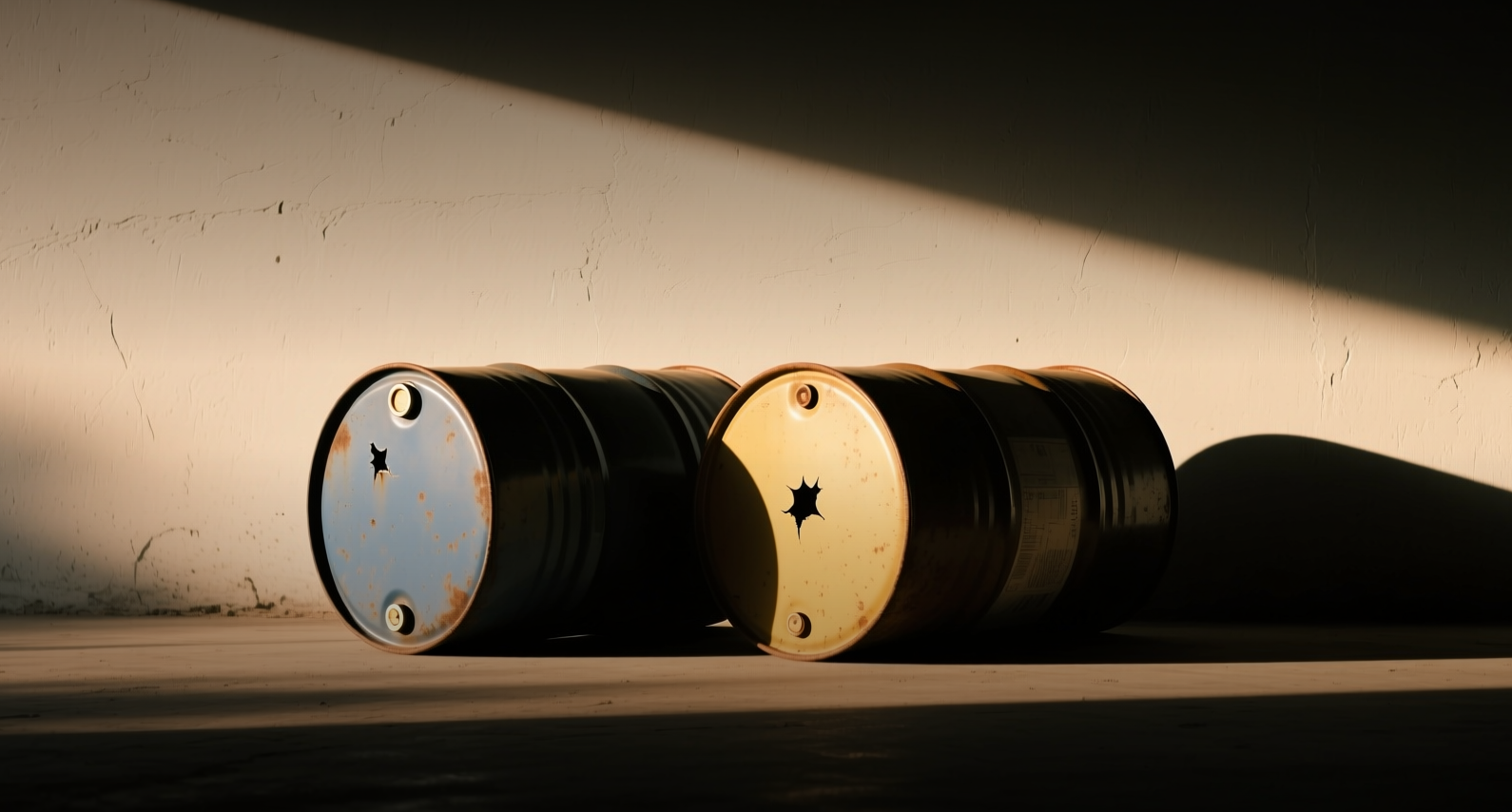
Iran's Revolutionary Guards struck hostile targets near the Strait of Hormuz on Thursday, sending WTI crude up 4 percent to $78.28 a barrel and reigniting supply fears through the chokepoint carrying 20 percent of global oil.
"The era of bullying and extortion is over," Mohammad Baqer Qalibaf, speaker of Iran's parliament, said on X, accusing Washington of violating the ceasefire through military strikes, renewed oil sanctions, and restrictions on Hormuz shipping.
Two explosions were reported near Qeshm Island, according to Iran's Tasnim News Agency, which linked the blasts to military action against hostile targets at the strait's entrance. The strikes follow a week of escalating exchanges: the United States launched attacks on more than 60 Revolutionary Guard small boats, revoked a license allowing Iranian oil exports, and gave companies until July 17, 2026 to wind down transactions. Brent crude traded at $92.27 a barrel on July 31, up roughly $19.67 from a year earlier, before Thursday's spike.
The escalation threatens to unravel the 60-day ceasefire brokered last month between Washington and Tehran. Indirect negotiations in Qatar ended last week without progress, and U.S. President Donald Trump has warned of resumed military action unless Iran agrees to a full deal. If the strait faces sustained disruption, analysts project further crude spikes, safe-haven flows into gold and the dollar, and sharply higher shipping and insurance costs for tankers transiting the Gulf.
The latest exchange marks the most serious breach of the ceasefire since it took effect. Iran's Khatam al-Anbiya Central Headquarters condemned the U.S. strikes as a "blatant act of aggression" and warned of a "crushing response," while Iranian media reported explosions near Kharg Island — which handles roughly 90 percent of Iran's crude exports — as well as on Qeshm Island and in the southern ports of Sirik and Bandar Abbas.
Oil Risk Premium Rebuilds
The market reaction reflects a rebuilding of the geopolitical risk premium that had faded during the ceasefire. WTI's 4 percent intraday gain pushed the benchmark to $78.28, while Brent had already been trading near $92 before Thursday's escalation. The last comparable spike came in the weeks before the ceasefire, when U.S. and Israeli strikes on Iranian targets drove crude to multi-month highs and sent shipping insurers raising war-risk premiums on Gulf transits.
The U.S. Treasury's revocation of the oil export license adds a supply-side dimension. Iran exports roughly 1.5 million barrels per day, and the license withdrawal — effective with a wind-down period to July 17 — tightens the market even before any physical disruption at Hormuz materializes. Qatar accused Tehran of targeting multiple commercial vessels, including the Qatari LNG tanker Al Rekayyat, which was struck by a drone that caused a fire in its engine room.
Ceasefire's Fragile Architecture
The ceasefire was designed as a 60-day window for negotiations on a permanent agreement, but the architecture is showing cracks on multiple fronts. Iranian Foreign Minister Abbas Araqchi said negotiations on a final deal would not begin while military threats continued, while Washington's CENTCOM said its strikes aimed to "impose significant costs" on Tehran for attacks on international shipping.
For markets, the key question is whether this is a one-off exchange or the start of a broader escalation cycle. If Iran follows through on its "crushing response" warning, the risk premium on Gulf oil could expand further, with knock-on effects on global equities, inflation expectations, and central bank policy paths. If the two sides return to the negotiating table, the premium could deflate as quickly as it built.
This article is for informational purposes only and does not constitute investment advice.
