Iran's top security official has issued a direct warning to Israeli Prime Minister Benjamin Netanyahu over the escalating situation in Lebanon, raising the risk of a broader Iran-Israel confrontation just as oil prices push toward $94 a barrel.
Iran's Supreme National Security Council chief warned Netanyahu over the escalating Lebanon theater, pushing Brent crude up nearly 2 percent to $93.90 a barrel as markets priced in a wider Iran-Israel confrontation. West Texas Intermediate rose about 2 percent to roughly $86.
"The U.S. is far stronger than Iran militarily, but Iran has asymmetric capabilities that have created problems and costs for the U.S.," said Omid Memarian, senior Iran-born analyst at DAWN, a Washington-based think tank. "The two sides are creating costs for each other on different fronts."
Israeli airstrikes in southern Lebanon killed one woman and wounded six people including a child, Lebanon's state-run National News Agency reported. The strikes followed Hezbollah firing two explosive drones at Israeli troops near Nabatiyeh, which the Israeli military said caused no casualties. Lebanese authorities say more than 4,300 people have been killed since the conflict began in March, when Hezbollah struck Israel in support of Tehran after the U.S.-Israeli offensive on Iran.
The warning comes as the six-month-old U.S.-Iran war enters a phase of economic attrition. Washington's naval blockade of the Strait of Hormuz has cut oil flows from a pre-war 15 million barrels a day to an estimated 2-6 million, according to shipping analysts at ING. The U.S. military said 67 commercial ships have been stopped since the blockade was reinstated on July 14.
Strait of Hormuz blockade tightens as carriers rotate
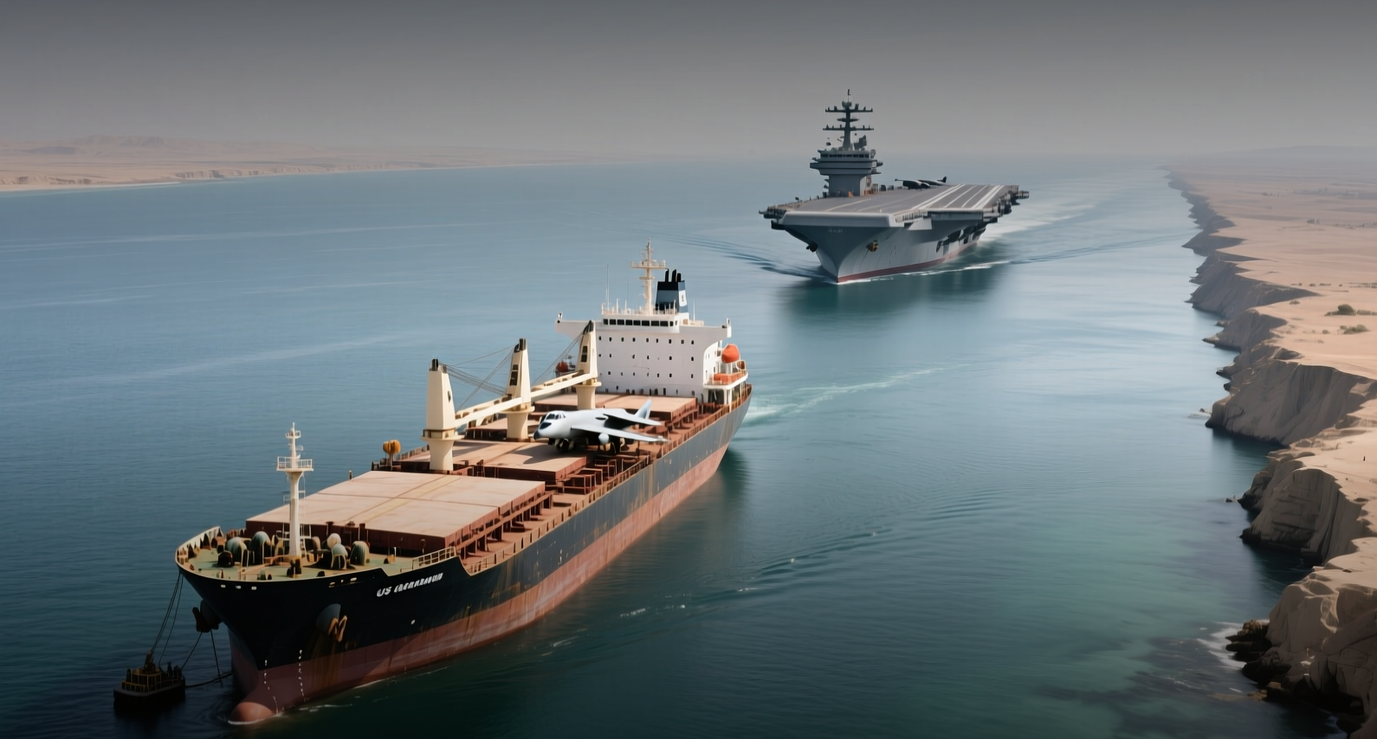
The USS George Washington aircraft carrier arrived in the Middle East this week to replace the USS Abraham Lincoln, which is heading home after a record nine-month deployment. U.S. Central Command said the carrier strike group will begin participating in the blockade, which Treasury Secretary Scott Bessent described as part of a "one-two punch" alongside the toughest sanctions in history.
The economic pressure campaign has drawn pushback from China, with foreign ministry spokesman Lin Jian saying Friday that "sanctions and pressure will not help resolve the issue." Iran's foreign minister Abbas Araghchi dismissed President Trump's threat of an "economic D-Day" as a "diversion from America's own crisis" of unprecedented $40 trillion national debt.
The last time Iran's security establishment issued a direct warning to Israeli leadership was in June, when Tehran threatened retaliation after an Israeli airstrike killed senior IRGC commander Behnam Shahriyari in western Iran. Brent crude jumped 4 percent in the following session before retreating as diplomatic channels reopened.
Market implications and forward scenarios
The geopolitical risk premium embedded in crude prices has widened steadily since early August, with Brent climbing from the low $80s as the Strait of Hormuz blockade persisted. The U.S. government claims up to 9 million barrels a day are flowing through the strait "over short time periods," but ING analysts cautioned the figure "seems aggressive."
For investors, the key variable is whether Iran's warning translates into renewed kinetic escalation or remains rhetorical. The IRGC said Wednesday that if fighting reignites, it will use "more precise, more destructive" weapons, including new generations of warheads and longer-range missiles. Iran has also executed at least 30 protesters since wartime executions resumed on March 19, according to the Norway-based Iran Human Rights group.
If Iran escalates militarily, Brent could test $100 as supply disruption fears intensify. If the economic pressure campaign holds and diplomatic channels through Qatar and Pakistan gain traction, oil prices could retreat as the risk premium unwinds. The U.S. has not announced strikes on Iran since late July, and President Trump said Wednesday he has "no time schedule" to conclude the conflict.
This article is for informational purposes only and does not constitute investment advice.