
Iran's top leadership has signaled a more forceful response to the ongoing confrontation, adding a fresh geopolitical risk premium to markets already strained by Washington's debt ceiling standoff.
Iran's top leadership has signaled a more forceful response to the ongoing confrontation, adding a fresh geopolitical risk premium to markets already strained by Washington's debt ceiling standoff.
Iran's top leadership has signaled a more forceful response to the ongoing confrontation, adding a fresh geopolitical risk premium to markets already strained by Washington's debt ceiling standoff.
Iran's vow of a "more resolute than ever" response has deepened the geopolitical risk premium in oil, with the dollar pinned near three-month lows as investors weigh Middle East escalation and Washington's debt ceiling standoff.
"Iran's response will be more resolute than ever," Mokhber, advisor to Iran's Supreme Leader, said, according to state media. The statement escalates a confrontation that has already pushed crude prices higher on supply disruption fears.
The dollar index remains near its lowest level in three months, reflecting anxiety over the U.S. government's ability to meet its financial obligations. Oil prices have edged higher on supply concerns, supporting commodity-linked currencies including the Canadian dollar and Norwegian krone, while the Mexican peso has dipped on Middle East tensions. Gold and the Japanese yen have drawn increased demand as alternative safe havens.
The convergence of fiscal and geopolitical risks creates a delicate setup for global markets. If the debt ceiling impasse persists and Iran follows through on its threat, oil prices could spike further, adding inflationary pressure that complicates the Federal Reserve's policy path. FOMC minutes due this week will offer clues on the rate trajectory.
The debt ceiling standoff in Washington has been a persistent drag on the dollar. The U.S. government faces a deadline to raise the borrowing limit, and failure to do so could trigger a default that would ripple through global financial markets. The dollar's traditional safe-haven appeal has been eroded by this fiscal uncertainty, a dynamic that typically favors gold and the yen. This marks an unusual divergence from historical patterns, where the dollar typically strengthens during geopolitical crises.
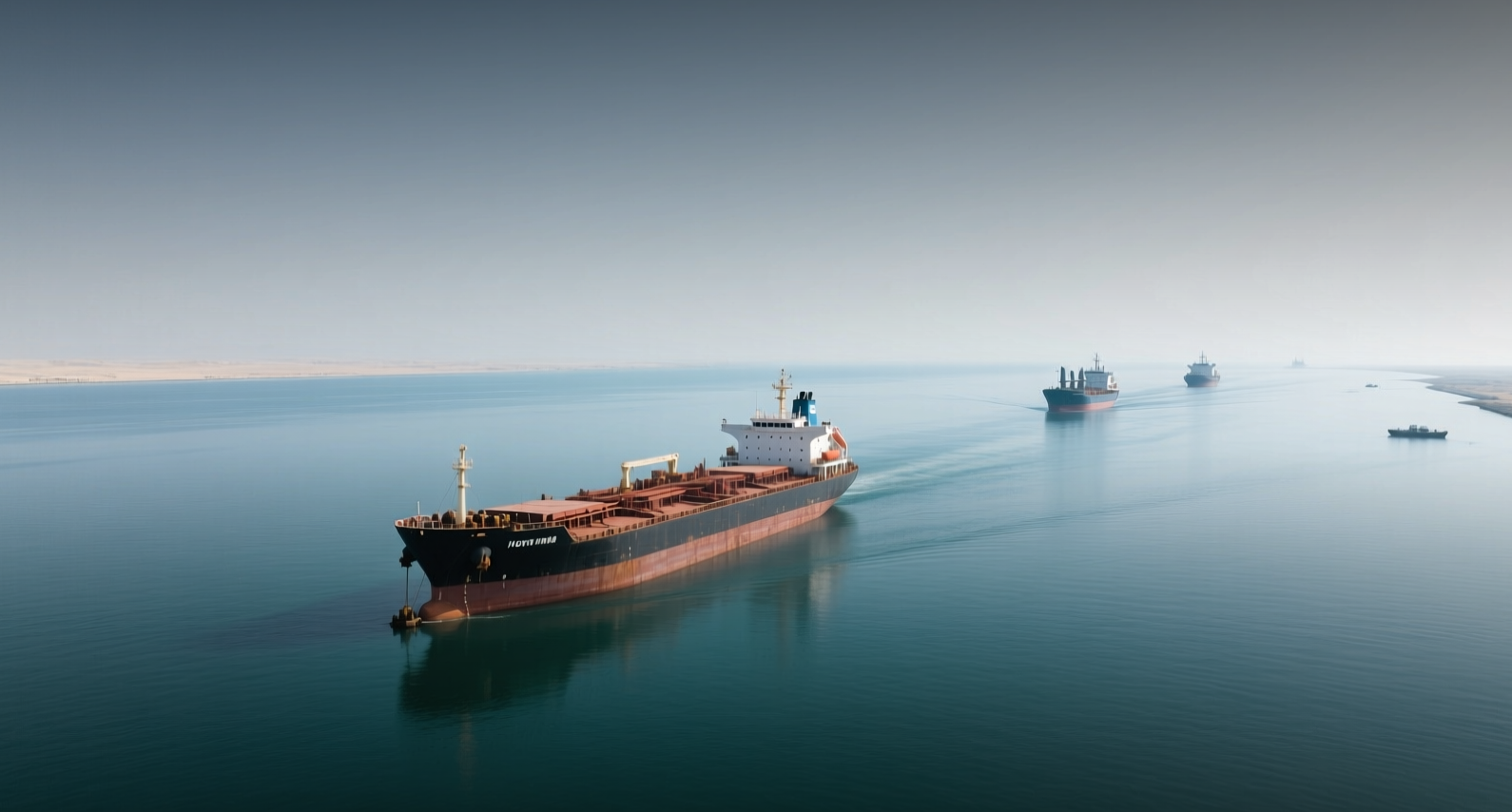
The Strait of Hormuz, through which roughly 21 percent of global oil passes, remains a key flashpoint in the Iran confrontation. Any disruption to tanker traffic through the strait would have immediate consequences for crude prices and, by extension, inflation expectations worldwide. The last time Iran threatened major escalation in the region, oil markets priced in a significant supply risk premium within days, and energy-linked equities outperformed while broader indices sold off.
The market reaction has been visible across asset classes. Commodity-linked currencies have outperformed, with the Canadian dollar gaining on higher oil prices and a weaker U.S. dollar. The Mexican peso has dipped on Middle East tensions, reflecting its sensitivity to risk sentiment. Meanwhile, gold and the yen have attracted safe-haven flows as investors hedge against further escalation. The divergence between commodity currencies and risk-sensitive emerging market currencies highlights the selective nature of the current risk-off environment.
The Federal Reserve faces a delicate balancing act. With inflation still above target, the central bank must weigh the inflationary impulse from higher oil prices against the risk that geopolitical and fiscal uncertainty could slow growth. FOMC minutes due this week will be scrutinized for any shift in the policy stance. If the Fed signals a more hawkish path, the dollar could find support; if it signals concern about growth, the dollar could weaken further.
For emerging markets, the combination of a weaker dollar and higher oil prices presents a mixed picture. A softer dollar eases debt-servicing burdens for dollar-denominated sovereign debt, but higher energy import costs squeeze current account balances. Countries with large oil import bills, particularly in South Asia and parts of Africa, face the most acute pressure. Currency volatility in these markets could rise sharply if the Iran situation deteriorates further.
The coming weeks are likely to be critical. The debt ceiling deadline and any further developments in the Iran confrontation will shape market sentiment across currencies, commodities, and equities. Investors should brace for continued volatility as these factors evolve.
This article is for informational purposes only and does not constitute investment advice.
