
Iran's threat to strike aggression sources escalates a conflict that has drawn 70 US naval vessels into blockade.
Iran's threat to strike aggression sources escalates a conflict that has drawn 70 US naval vessels into blockade.
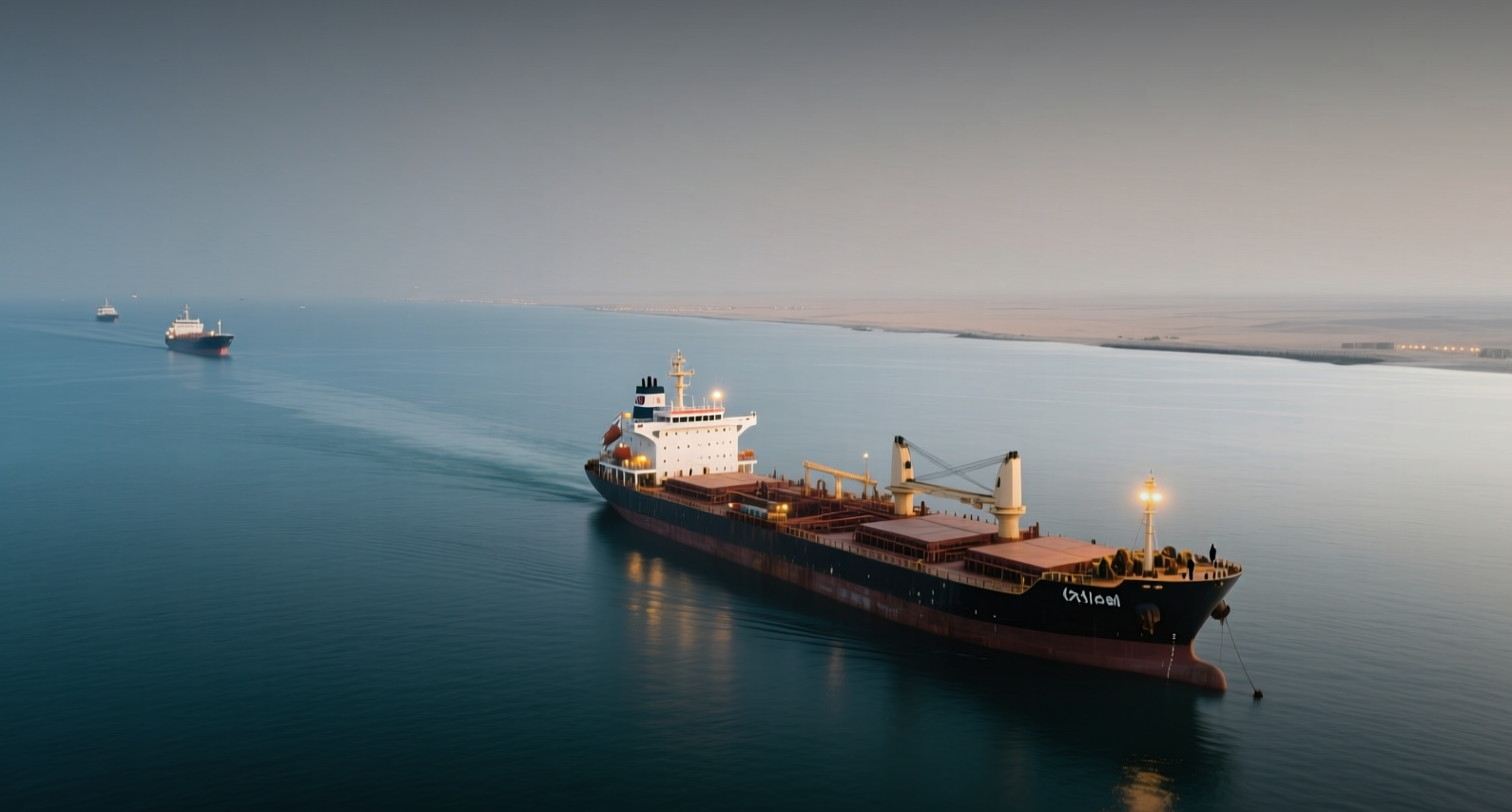
Iran's foreign ministry warned Sunday that Tehran will strike the source of any aggression, escalating a confrontation with the United States that has already drawn 70 naval vessels into a blockade of the Islamic Republic.
"The naval blockade of Iran is an act of aggression," Esmail Baghaei, spokesman for Iran's Foreign Ministry, said. "We warn that any backing of the US's unlawful measures will incur serious repercussions, as the Islamic Republic of Iran will never tolerate such provocations."
The warning comes as US Central Command repositioned 70 vessels since resuming its naval blockade on July 14, and Treasury Secretary Scott Bessent announced plans for a "financial offensive" against Tehran. President Donald Trump has declared economic war and unprecedented isolation against Iran, threatening severe economic repercussions for countries whose financial institutions, businesses, airports, or government agencies support Tehran.
The escalation carries direct implications for global energy markets and risk assets. Iran sits adjacent to the Strait of Hormuz, which handles roughly 21 percent of global oil trade, and any disruption to shipping lanes through the waterway could push crude prices sharply higher while driving investors into gold and other safe-haven assets.
The US-Iran conflict, which began February 28, has drawn in regional actors and non-state groups backed by Tehran. In Iraq, the government has pushed back a September 30 deadline for pro-Iran factions to hand over their weapons, with security adviser Qasim al-Araji telling state media the date applies to the international coalition's departure, not disarmament. Government spokesman Haider al-Aboudi made a similar clarification Friday, despite announcing in June that factions had until the end of September to disarm.
"The situation is extremely complicated," a senior Iraqi government official told AFP, speaking on condition of anonymity. "The government is insisting on closing the weapons file; but faction leaders are determined to hold onto their weapons because they believe disarming would serve Israel and the United States."
The most powerful armed factions in Iraq include Kataib Hezbollah, part of Iran's so-called "Axis of Resistance" against the US and Israel. Another Iraqi source told AFP that Iran views its proxies in the region, "especially in Iraq, as a source of strength it refuses to give up."
Strait of Hormuz Risk Premium Builds
The last time the US imposed a naval blockade on Iran — during the 2019 tanker crisis — Brent crude spiked roughly 15 percent within three weeks as shipping insurance premiums through the Gulf surged. Gold gained about 8 percent over the same period as investors sought refuge from the escalating confrontation.
This time, the stakes are higher. The US has not only deployed naval assets but has announced a coordinated financial offensive, targeting Iran's access to the international banking system. Trump's warning that countries supporting Tehran will face "severe economic repercussions" extends the conflict beyond the military domain into global trade and finance.
For markets, the key risk is a disruption to the Strait of Hormuz. The waterway carries about 21 percent of global oil consumption, and even a temporary closure would have outsized effects on crude prices, shipping rates, and energy equities. Options markets are likely to price in a higher geopolitical risk premium, while gold and US Treasuries could see safe-haven inflows.
The conflict also complicates the fragile Gaza ceasefire. Uganda and Burundi military officials recently visited Israel to discuss deploying troops as part of an international security force envisioned by Trump's Board of Peace, with Uganda committing around 1,200 personnel. Indonesia earlier said it was preparing to send 8,000 troops but put that on hold after the US and Israel attacked Iran.
If Iran follows through on its threat to strike the source of aggression, the immediate market reaction would likely be a sharp spike in crude prices and a flight to safe-haven assets. If the conflict remains confined to economic measures and naval posturing, markets may absorb the escalation with a modest risk premium.
The next key date is September 30, when the US-led international coalition is scheduled to depart Iraq. Whether that departure proceeds as planned — and whether Iraqi factions disarm — will be a critical test of whether the regional conflict can be contained.
This article is for informational purposes only and does not constitute investment advice.
