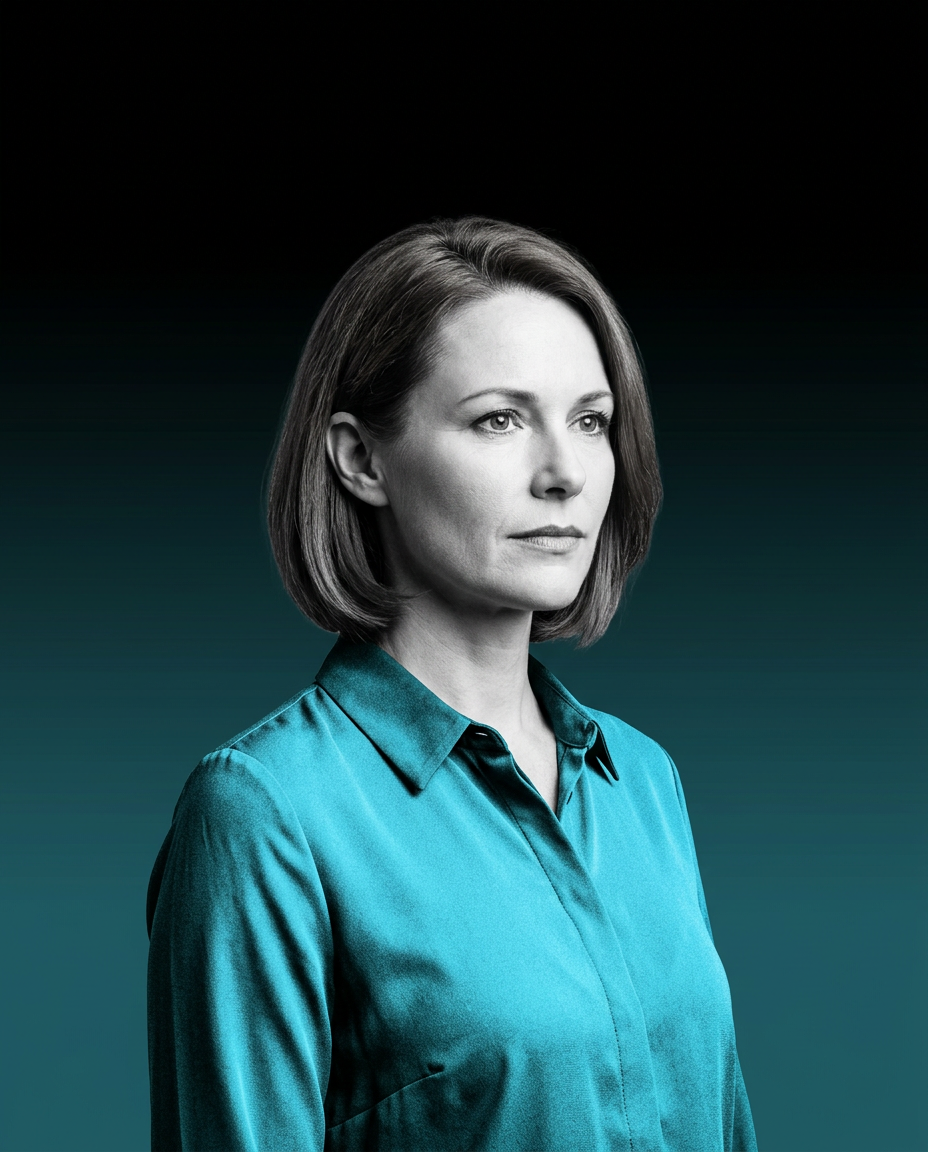

Instagram chief Adam Mosseri took the stand Tuesday in a bellwether trial that could reshape how Meta designs products for young users.
Instagram chief Adam Mosseri took the stand Tuesday in a bellwether trial that could reshape how Meta designs products for young users.
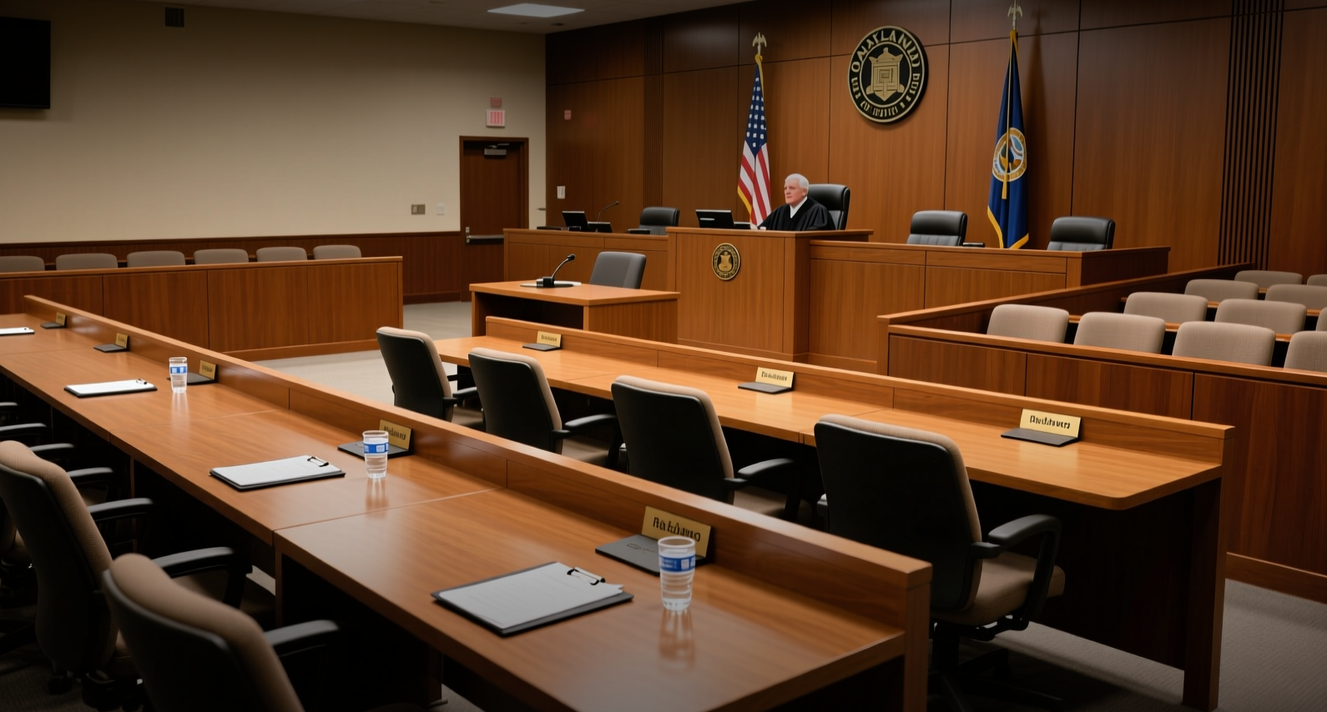
Instagram chief Adam Mosseri conceded Tuesday that teen safety tools saw adoption as low as 1.8 percent, as four states seek $200 billion in penalties against Meta in a bellwether trial over addictive features.
"There are no silver bullets for problems like this," Mosseri, 43, said in U.S. District Court in Oakland, California. "We have to do many things that add up."
The trial, brought by California, Colorado, Kentucky and New Jersey, is the first in a multidistrict litigation of more than 3,000 active cases. Another 25 states that sued Meta in 2023 will head to trial later. Internal documents admitted as evidence showed the "Take a Break" feature — a pop-up reminder to pause usage — was adopted by only 1.8 percent of teen users at one point.
If Chief U.S. District Judge Yvonne Gonzalez Rogers finds Meta liable, penalties could reach $200 billion and force changes to how the company manages teen accounts. The trial is expected to last six to eight weeks, with Meta CEO Mark Zuckerberg slated to testify.
Low Adoption Rates Under Scrutiny
Under questioning from Colorado's chief trial counsel Jason Slothouber, Mosseri acknowledged that the pop-up notifications "helped, but not nearly as much as we hoped." The feature became a default on teen accounts in October 2024 — after the states filed their lawsuit in 2023 — at which point Mosseri said the initial low uptake was "entirely moot."
Slothouber pressed Mosseri on a blog post from around the feature's 2021 launch that stated "more than 90 percent" of users who tried it kept it on, without disclosing that only 1 to 2 percent of teens used it in the first place. Mosseri confirmed under oath that Meta never disclosed the adoption figure to parents or the public.
The states also introduced internal communications showing Meta's lawyers advised product designers to limit data in presentations to Mosseri to check his "litigation exposure." Data showing teens saw harmful content — including material about suicide, self-harm and eating disorders — at higher rates than other users was removed or hyperlinked only in final versions of slides.
Mosseri said he was not aware of the exchange, adding that it "makes sense" document creators would want to ensure information was accurate. He rejected the suggestion that he encouraged his team to hide anything: "I am not trying to encourage my team to hide anything."
Former Meta data scientist George Volichenko testified that the "well-being" team was committed to "making a safe space for teens" but that the adoption rates for safety tools were "very low, it was disappointing to me personally." He said the team wasn't allowed to test the features as an opt-out option because it may have had adverse effects on the app's ecosystem, and that one of the main reasons the team existed was to protect the company from future lawsuits.
A Growing Wave of Legal Exposure
The Oakland trial is part of a surge of litigation against social media companies. In February, a Los Angeles jury ordered Meta and Alphabet to pay $6 million to a 20-year-old woman who said she became addicted to Instagram and YouTube as a child. Earlier this month, a New Mexico judge ordered Meta to pay $567 million to address teenagers' mental health after the state's attorney general accused the platforms of creating a public nuisance.
Meta has denied wrongdoing, arguing there is no scientific evidence proving its platforms cause addiction. The company has also pointed to Section 230 of the Communications Decency Act, which protects platforms from liability for user-generated content.
The stakes extend beyond Meta. Instagram has 2 billion daily active users — nearly a quarter of the world's population — and roughly six in 10 U.S. teens use the platform, according to a 2024 Pew Research Center survey. Some legal experts compare the case to tobacco litigation in the 1990s that forced major settlements and changed industry behavior.
The jury will issue an advisory verdict, with Rogers making the final determination on liability and penalties. Mosseri is expected to continue testifying Wednesday, with Zuckerberg's appearance anticipated later in the trial. A verdict against Meta could set a precedent for the broader tech industry, potentially reshaping how platforms design features for minors across the sector.
This article is for informational purposes only and does not constitute investment advice.
