


The 11 new financial connectivity measures between mainland China and Hong Kong mark the most significant policy push for the city's offshore RMB market since the Bond Connect expansion.
The 11 new financial connectivity measures between mainland China and Hong Kong mark the most significant policy push for the city's offshore RMB market since the Bond Connect expansion.
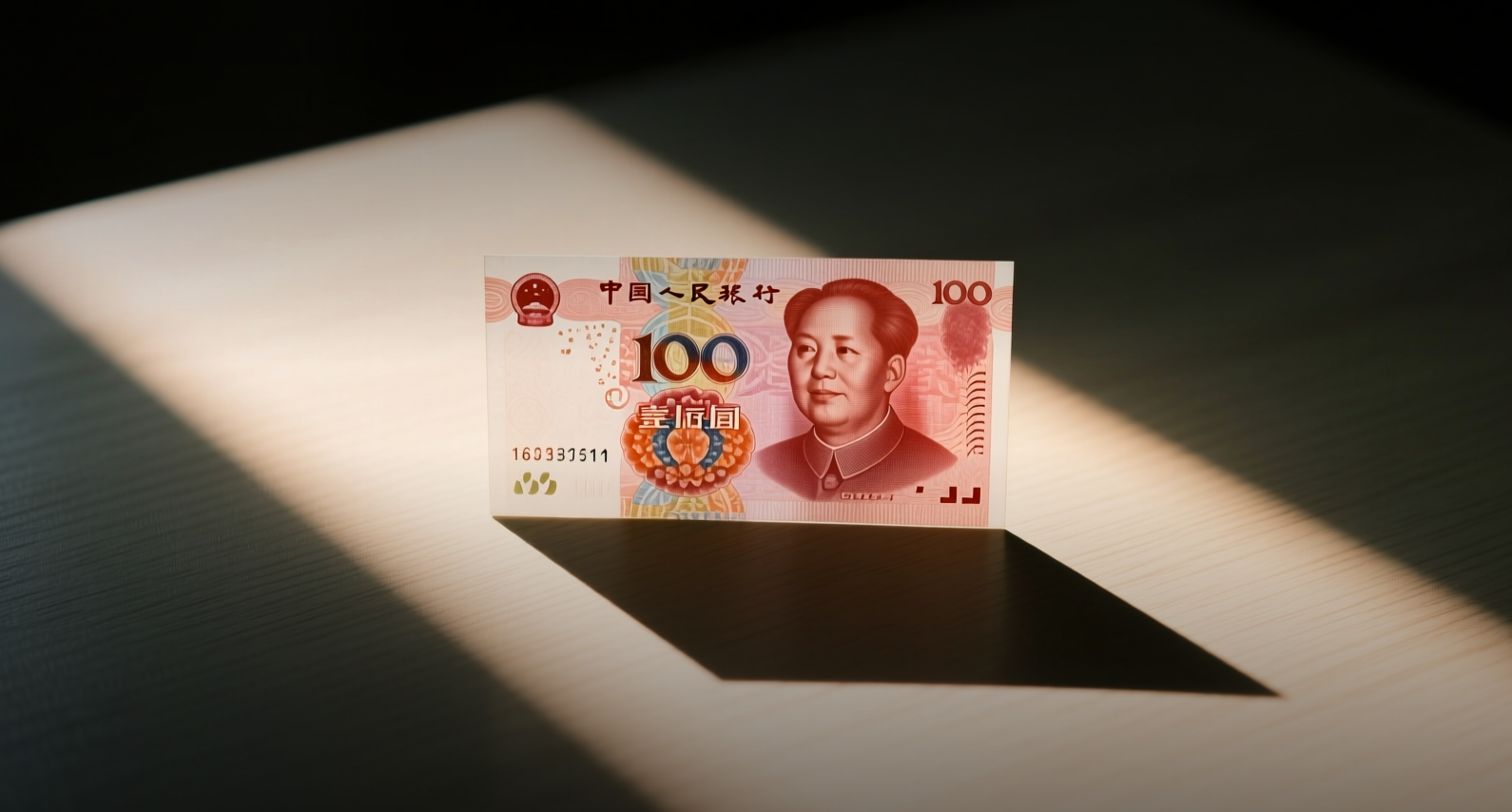
The People's Bank of China and Hong Kong Monetary Authority on July 7 unveiled 11 measures to deepen financial connectivity, including a 150% increase in the RMB business funding quota to RMB500 billion, structurally supporting Hong Kong banks.
"The measures will bring a structurally positive impact to Hong Kong banks overall and support growth in RMB-related balance sheets," Goldman Sachs said in a research report published after the announcement.
Six of the 11 measures target Hong Kong's fixed income and currency markets, while the remaining five aim to develop the city's offshore RMB business. The RMB business funding arrangement quota was raised to RMB500 billion from RMB200 billion. Goldman Sachs maintained Buy ratings on BOC Hong Kong, the sole RMB clearing bank in the city, as well as Standard Chartered and HSBC Holdings, while assigning a Sell rating to Bank of East Asia.
The expansion signals Beijing's commitment to strengthening Hong Kong's role as the premier offshore RMB hub, a status that has faced competition from Singapore and London. For Hong Kong banks, the measures could drive significant growth in RMB clearing volumes and fee income, with BOC Hong Kong positioned as the primary near-term beneficiary given its exclusive clearing mandate.
BOC Hong Kong Stands to Gain Most From Clearing Mandate
BOC Hong Kong, as the city's only RMB clearing bank, is anticipated to become the key short-term beneficiary, Goldman Sachs said. The measures will support growth in RMB clearing and settlement activities and provide upside for fee income at the lender. The broker's Buy rating reflects expectations that the expanded quota will translate into higher transaction volumes and balance sheet growth.
The previous RMB business funding arrangement, set at RMB200 billion, had been in place since the program's inception. The new RMB500 billion ceiling represents the largest single increase in the facility's history, according to HKMA data. The last comparable expansion occurred in 2023 when the quota was raised from RMB100 billion to RMB200 billion, which preceded a 12% increase in Hong Kong's RMB deposit base over the following six months.
For HSBC and Standard Chartered, both rated Buy by Goldman Sachs, the measures provide a broader tailwind through increased cross-border RMB flows and corporate demand for offshore banking services. HSBC generates roughly 30% of its group revenue from Asia, while Standard Chartered derives about 40% of its income from Greater China and North Asia, making both lenders sensitive to RMB internationalization progress.
Bank of East Asia, assigned a Sell rating, faces relative headwinds given its smaller RMB business footprint and greater exposure to Hong Kong's domestic loan market, which has been pressured by the city's property downturn.
What the Measures Mean for Global Investors
The 11-measure package comes as China pushes to internationalize the yuan amid rising geopolitical tensions and trade fragmentation. Offshore RMB deposits in Hong Kong stood at about RMB1.1 trillion as of May 2026, according to HKMA data, up from roughly RMB800 billion two years earlier. The expanded funding quota gives Hong Kong banks greater capacity to intermediate RMB trade settlement and investment flows.
The announcement also coincides with the PBOC's broader easing cycle. The central bank cut the 1-year medium-term lending facility rate by 10 basis points to 2.1% in June, its third reduction in 12 months, as policymakers seek to stimulate a sluggish economic recovery. The connectivity measures complement monetary easing by channeling liquidity through Hong Kong's financial system.
For global investors, the deeper connectivity reduces friction in accessing onshore Chinese bond and currency markets through Hong Kong. The Hang Seng Index traded 0.3% higher in the session following the announcement, while the offshore yuan held steady at 7.25 per dollar, suggesting markets viewed the measures as incremental but not transformative in the near term.
The next key milestone for Hong Kong's RMB market will be the implementation timeline for the individual measures, which the HKMA said would be announced in phases over the coming months.
This article is for informational purposes only and does not constitute investment advice.
