
SK Hynix will begin mass-producing LPDDR6 memory in the second half of 2026, with Xiaomi's next flagship smartphone as the first deployment.
SK Hynix will begin mass-producing LPDDR6 memory in the second half of 2026, with Xiaomi's next flagship smartphone as the first deployment.
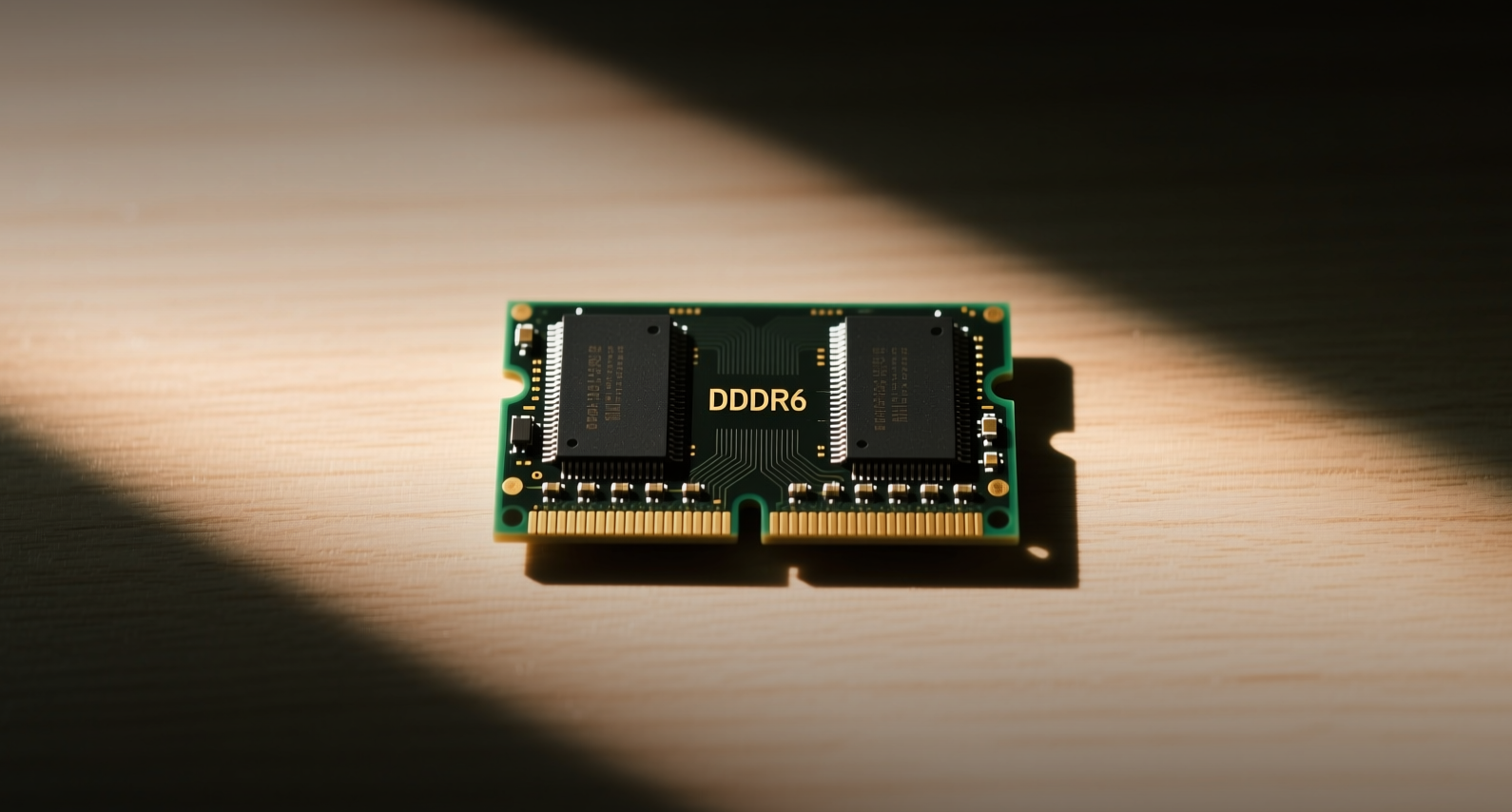
SK Hynix will begin mass-producing LPDDR6 memory in the second half of 2026, with Xiaomi's next flagship smartphone as the first deployment.
SK Hynix's LPDDR6 mass production, built on a 10-nanometer sixth-generation (1c) process, threatens to widen its lead over Samsung Electronics and Micron in mobile DRAM while opening a new AI server memory front via SOCAMM modules.
"SK Hynix has completed product development certification and will finish mass production preparations within the first half," the company said in March, though it declined to confirm customer details.
The 1c-based LPDDR6 improves data processing speed and power efficiency over the prior LPDDR5X generation. Samsung Electronics released its own LPDDR6 in January using a 10nm fifth-generation (1b) process and won a CES innovation award. Both Korean memory makers have moved ahead of Micron in preparing for LPDDR6 volume production.
Mobile DRAM sales rose 64.5% in the first quarter of 2026, TrendForce data shows, with contract prices expected to keep climbing in the second quarter as supply tightens. Memory chip makers have concentrated capacity on commodity DDR and HBM, creating a bottleneck that has pushed LPDDR contract prices toward parity with conventional DRAM.
SK Hynix's relationship with Xiaomi dates to 2013, when it supplied LPDDR3 for select models. The companies have maintained a continuous supply chain through LPDDR5X. The LPDDR6 deal is expected to open the door to shipments to other Chinese smartphone makers including Vivo and Oppo, whose flagship models still rely on the three major memory chip makers despite domestic rival CXMT gaining ground in budget segments.
SOCAMM Opens a Second Front
The LPDDR6 ramp also accelerates competition in SOCAMM, a next-generation low-power memory module for AI servers. As the AI market shifts from training to inference workloads, SOCAMM demand is rising rapidly. Nvidia CEO Jensen Huang visited the SK Hynix booth at Computex 2026 in June and inscribed "LOVE SOCAMM" on a 192GB module. Nvidia recently unveiled its first in-house AI server CPU, Vera, positioning LPDDR as the natural memory counterpart to CPU processing, just as HBM pairs with GPUs.
SK Hynix and Samsung Electronics have secured an early lead over Micron in the LPDDR6 and SOCAMM race. For investors, the key question is whether SOCAMM can replicate HBM's revenue trajectory as AI inference expands. LPDDR supply constraints are likely to persist through 2026 as manufacturers prioritize HBM and DDR capacity, supporting elevated pricing. The three memory makers posted record-high first-quarter sales, driven in part by LPDDR revenue.
This article is for informational purposes only and does not constitute investment advice.
