
SpaceX's record $75 billion IPO has not delivered returns for early investors, with the stock trading below its $135 offer price by late August.
SpaceX's record $75 billion IPO has not delivered returns for early investors, with the stock trading below its $135 offer price by late August.
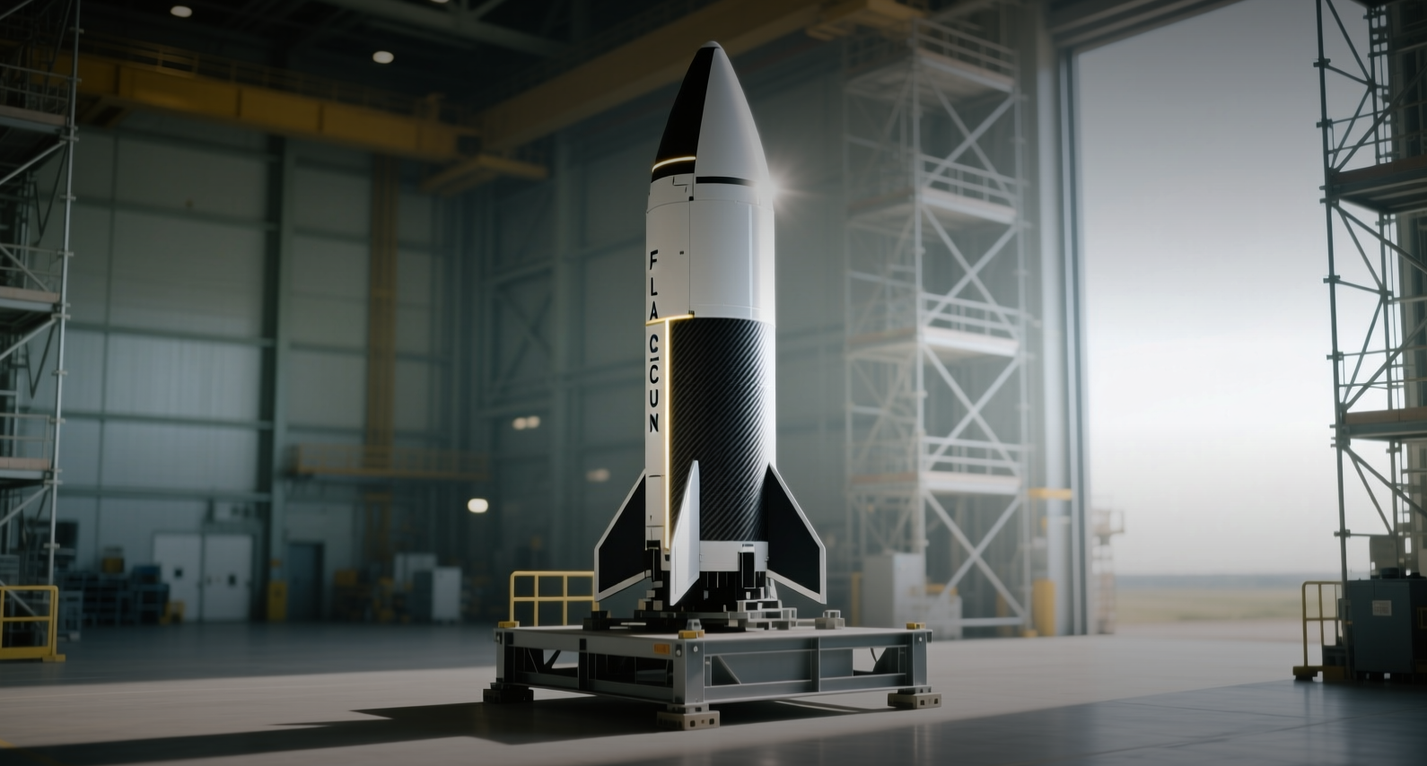
SpaceX's record $75 billion IPO has failed to reward early investors, with a $10,000 stake bought at the $135 offer price losing value by late August, three months after the largest listing on record.
"I don't know what's going to happen short term. All that you can do is figure out what something is going to become," Ron Baron, founder and chairman of Baron Capital, said on June 2, days before the listing. "If you're buying something in SpaceX today at $2 trillion, and one of the businesses you think in 10 or 12 years can be worth $14 trillion, you're making seven times your money in 10 years."
The stock priced 555.6 million shares at $135 each for a $1.77 trillion valuation when it began trading on the Nasdaq on June 12. It has since undergone a broad correction as initial enthusiasm subsided and early investors locked in profits, according to Zacks Investment Research. At the IPO, the stock traded at more than 100 times SpaceX's reported 2025 full-year sales — a multiple that history shows no company at the forefront of a technological trend has sustained above 30 over an extended period.
The underwhelming post-IPO performance carries implications beyond SpaceX. Prediction markets give Anthropic, the AI start-up backed by Amazon and Alphabet, a 63 percent chance of surpassing SpaceX as the largest IPO of 2026. It also raises questions about how the market prices companies with long-dated, capital-intensive growth stories.
SpaceX's business fundamentals remain strong. The company accounts for 85 percent of the mass carried into orbit each year, with 165 Falcon rocket launches in 2025. Its Starlink satellite network has grown to more than 9,600 satellites serving over 12 million subscribers across 160 countries and territories. The company's AI ambitions span data centers, frontier models, and a planned orbital compute network.
But the market's reaction to the IPO suggests investors are weighing these long-term prospects against near-term execution risks. SpaceX is simultaneously scaling several capital-intensive platforms — Colossus data centers, Grok model development, enterprise solutions, and future orbital AI infrastructure — which introduces uncertainty around margins and capital requirements.
SpaceX has moved aggressively to monetize its AI infrastructure. In May, Anthropic agreed to pay $1.25 billion per month to use SpaceX's Colossus 1 data center in Memphis. In June, Google committed $920 million per month for compute capacity. These agreements are flexible — either party can terminate with 90 days' notice — allowing SpaceX to pivot capacity toward its own AI development.
The company's pending $60 billion acquisition of Cursor, expected to close in the third quarter of 2026, adds enterprise software distribution and engineering integration capabilities. SpaceX also plans to begin deploying AI compute satellites as early as 2028, establishing space-based data centers.
SpaceX estimates its total addressable market at $28.5 trillion, with AI representing $26.5 trillion of that figure. But the market's skepticism is reflected in the stock's post-IPO drift, even as the company's revenue base expands.
The comparison with SK Hynix, which also debuted on U.S. markets in July, is instructive. SK Hynix has outperformed SpaceX since their respective IPOs, and the memory-chip maker trades at a more attractive valuation on a forward price-to-sales basis, according to Zacks. Both stocks carry a Zacks Rank #2 (Buy).
The impact extends to fund performance. Baron Focused Growth Fund, which holds SpaceX positions totaling 21.21 percent of assets, saw its NAV decline 8.7 percent last month, though SpaceX itself contributed 9.97 percent to the fund's quarterly returns during the IPO quarter.
For SpaceX, the path forward depends on whether the company can convert its infrastructure investments into sustained earnings growth. The stock's performance in the coming quarters will test whether the market's initial $1.77 trillion valuation was justified or whether the correction reflects a more fundamental reassessment.
This article is for informational purposes only and does not constitute investment advice.
