

Tesla's strategy of introducing lower-priced vehicles has not been enough to overcome weakening consumer demand and intense competition, with first-quarter deliveries poised for a sequential decline.
Atrás

Tesla's strategy of introducing lower-priced vehicles has not been enough to overcome weakening consumer demand and intense competition, with first-quarter deliveries poised for a sequential decline.
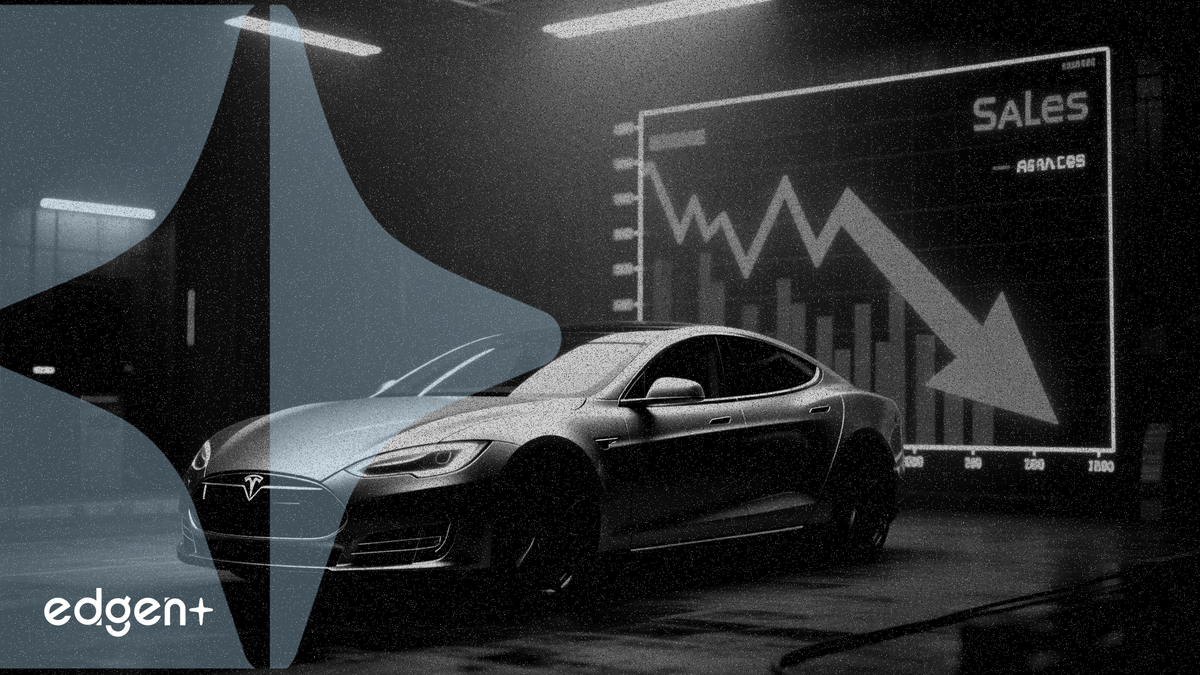
Tesla Inc. is expected to report its first sequential delivery decline in nearly two years, with analysts forecasting approximately 368,900 vehicles for the first quarter of 2026, as price cuts fail to offset waning demand and fierce competition from rivals like BYD.
"The narrative of EV exceptionalism is facing a reality check," said an analyst from a major investment bank. "Even with more affordable models, the combination of subsidy expirations and a crowded market in China is creating significant headwinds for Tesla."
The expected delivery number represents an 11.8% drop from the previous quarter, though it marks a 9.6% increase from the same period last year, according to Visible Alpha data. The introduction of the sub-$40,000 Model Y and sub-$37,000 Model 3 in October 2025 has not provided the anticipated sales boost, with the expiry of a $7,500 U.S. federal tax credit further dampening consumer appetite.
The cooling demand raises questions about Tesla's growth trajectory and the effectiveness of its pricing strategy, likely intensifying pressure on its stock (TSLA), which has already faced a challenging year. With analysts projecting a modest 1.7 million vehicle deliveries for 2026, the company is increasingly pivoting its narrative towards future growth drivers like autonomous robotaxis and its Optimus humanoid robot to maintain investor confidence.
Tesla's aggressive price reductions over the past year, once a powerful tool to stimulate sales and pressure competitors, are showing diminishing returns. The launch of the more affordable Model 3 and Model Y variants was a direct response to a market grappling with higher interest rates and economic uncertainty. However, the move has coincided with a strategic onslaught from Chinese competitors, most notably BYD, which has been expanding its market share with a diverse lineup of electric and hybrid vehicles. BYD also reported a drop in March sales, indicating a broader slowdown in the world's largest auto market.
Faced with a saturated EV market in its key regions, Tesla is increasingly emphasizing its long-term bets on technologies beyond vehicle manufacturing. Chief Executive Elon Musk has directed investor attention towards the company's advancements in artificial intelligence, robotics with the Optimus project, and the eventual launch of a fully autonomous robotaxi network. While these ventures hold the potential for significant future revenue streams, they are years away from material financial impact, leaving the company's valuation heavily dependent on its automotive sales in the interim. The upcoming delivery report on Thursday will be a critical data point for investors to gauge whether the current EV slowdown is a temporary blip or a more structural shift in the market.
This article is for informational purposes only and does not constitute investment advice.