
Ukraine's battlefield edge now rests on a drone innovation race that lifted Shahed interception rates to 87 percent in July.
Ukraine's battlefield edge now rests on a drone innovation race that lifted Shahed interception rates to 87 percent in July.
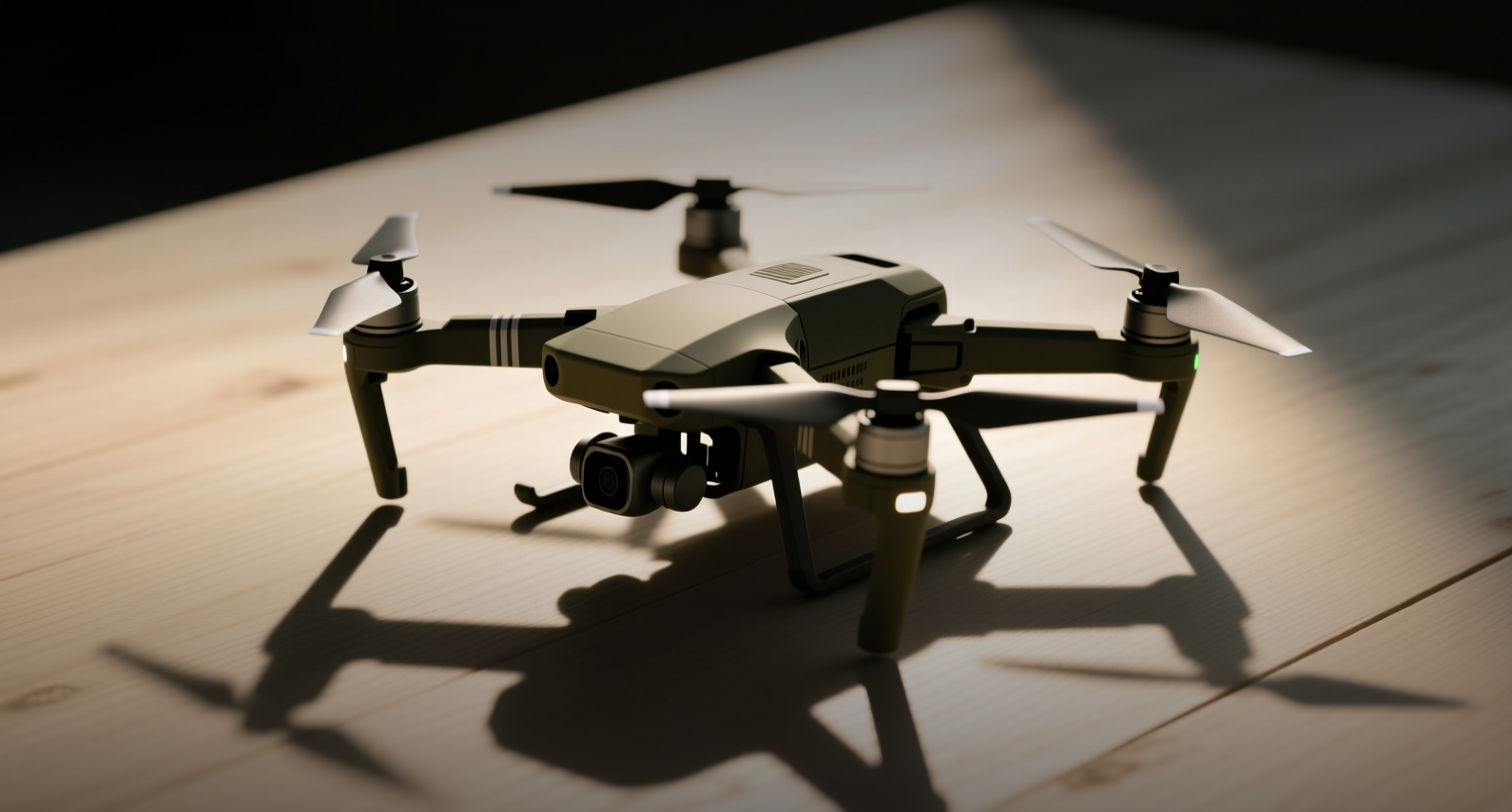
Ukraine's drone innovation lifted Shahed interception rates to 87 percent in July from 81 percent in December, as Kyiv's asymmetric warfare strategy holds Russia at bay more than four years into the full-scale invasion.
"We know that in terms of the scale of our funding and our population, we cannot be larger than Russia, but thanks to our asymmetry and our constant search for new technological solutions, we will prevail," Mykhailo Fedorov, Ukraine's former defense minister, told a gathering of defense innovators in June.
Land drones performed more than 16,000 missions in June, nearly doubling from March, delivering supplies and evacuating wounded soldiers. Ukraine's Sting interceptor, a 3D-printed quadcopter from Wild Hornets, became the first known drone to ram and destroy a Russian Shahed-type drone in combat. Long-range strikes have caused a fuel crisis in Russian-occupied Crimea and threatened refineries deep inside Russia, bringing the war closer to the Russian population.
The innovations are now being exported. The Pentagon will host a second round of its $1 billion Drone Dominance Program this month, seeking more than 200,000 small attack drones by 2027, with several Ukraine-linked companies vying for orders. F-Drones already delivered 2,000 exploding first-person-view drones to the U.S. military last month.
The drone arms race on the front line
The war has become a proving ground for drone technology that other militaries are racing to adopt. Both sides now deploy tiny quadcopters — often 12 to 15 inches across — that can kill at ranges of 20 to 30 miles. Ukraine's asymmetric advantage stems from its large software sector and a military culture of improvisation, according to Marcus Walker, South Europe bureau chief at the Wall Street Journal.
Ukraine's Sting interceptor, which costs a fraction of the Russian drones it hunts, has become the most-used interceptor among Ukrainian troops, according to Wild Hornets. The economics are stark: a Techno Taras fixed-wing drone costs about $1,600 and can shoot down a Russian Zala-16 reconnaissance drone valued at $70,000 or a Merlin estimated at $300,000. The Sting flies at up to 175 mph, though Russia's new jet-powered Shaheds can reach more than 300 mph, forcing Ukrainian engineers to develop new interception tactics.
Russia has responded with its own innovations. Since 2024, Moscow has deployed fiber-optic cable drones that resist electronic jamming, and last year introduced a new class of cheap, fixed-wing medium-range drones. Ukraine has countered with its own versions. "The tactics that worked last year no longer work," Walker said. "The drones that work now didn't exist three months ago."
Ukraine is also deploying mothership drones that carry smaller first-person-view drones to extend their range, and mesh networks that enable real-time piloting of Shahed-type drones over Ukrainian cities. Electronic-warfare-resistant FPV drones are being scaled up to strike Russian logistics, while Starlink connectivity and last-mile navigation algorithms help Ukrainian pilots reach targets despite Russian jamming.
From Kyiv to the Pentagon
The U.S. military has been among the fastest to absorb Ukraine's lessons. Army Secretary Dan Driscoll has touted the cost effectiveness of using $15,000 Merops anti-drone systems against Shaheds that cost around $50,000, and praised Ukraine's Delta battlefield management system as "absolutely incredible." The Army rushed to purchase Merops at the start of the war in Iran as U.S. forces expended $4 million Patriot interceptors to combat Iranian drones.
The spread extends beyond the U.S. Drone warfare has reached Latin America, where armed groups in Colombia, Mexico, and Brazil have adopted consumer-grade drones outfitted with explosives. ACLED recorded 137 drone attacks in Colombia through July 17 this year, up from 38 in all of 2024 and one in 2023. Drones accounted for 69 percent of attacks on Russian forces as of mid-2025, according to Reuters, citing Ukrainian estimates.
Ukraine's aim remains survival as an independent nation state, even with roughly 20 percent of its territory under Russian occupation. Russia's central war aim — reimposing political control over Ukraine — appears increasingly out of reach, though Moscow is betting that Western fatigue will eventually cut Kyiv's supply lines. The outcome, Walker said, "is ultimately still open."
This article is for informational purposes only and does not constitute investment advice.
