
US sanctions cut Iranian crude offers to Chinese buyers, sending Brent above $93 as traders price in tighter Hormuz supply.
US sanctions cut Iranian crude offers to Chinese buyers, sending Brent above $93 as traders price in tighter Hormuz supply.
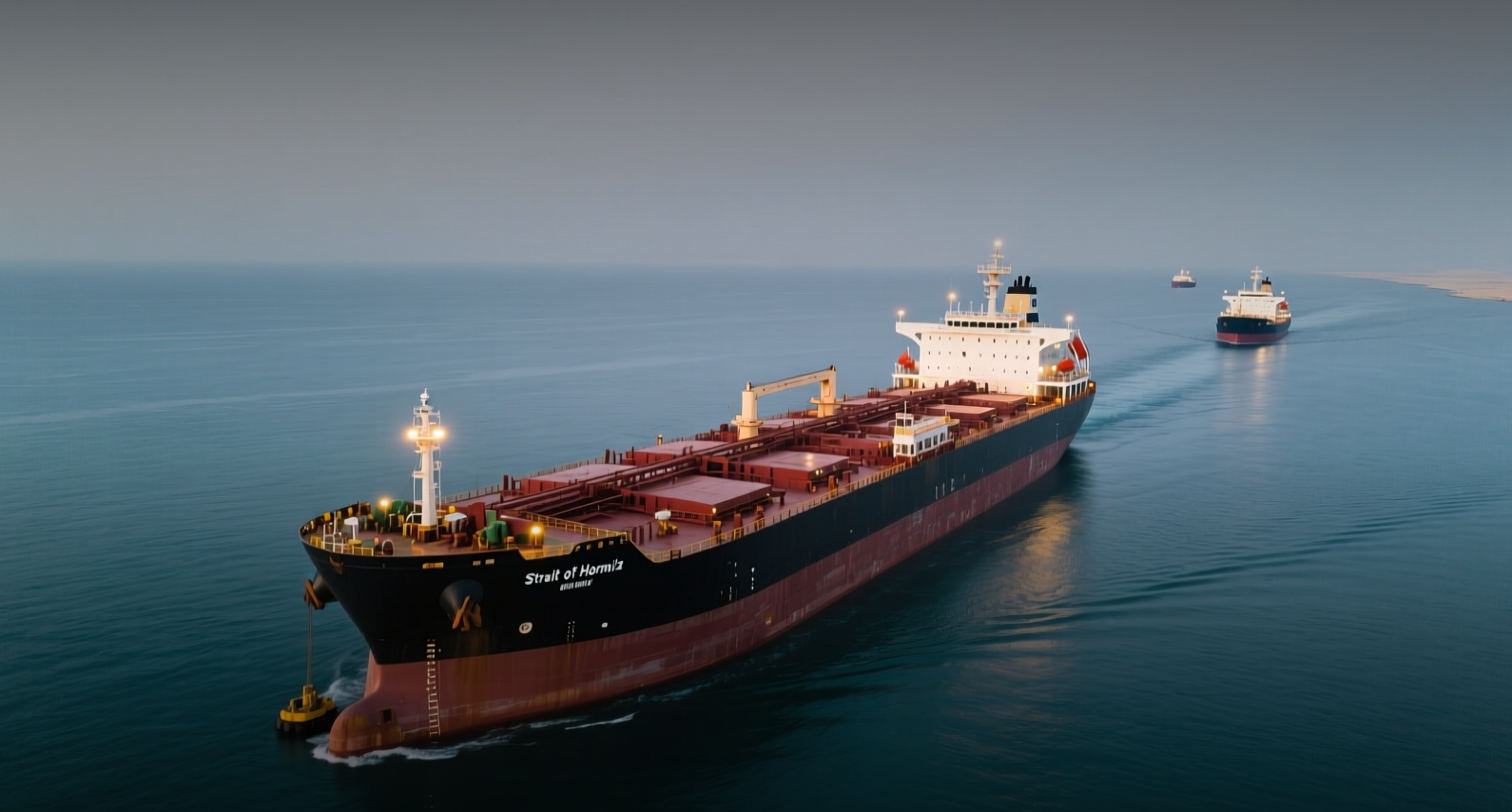
The US blockade has cut Iranian crude offers to Chinese buyers, with Brent jumping 2.1 percent to $93.57 per barrel as traders price in tighter supply through the Strait of Hormuz.
"The market is now pricing in the risk of tighter Iranian crude flows, with the Strait of Hormuz once again emerging as a key pressure point," Kotak Neo, the brokerage formerly known as Kotak Securities, said in a note.
Offers of Iranian crude for September and October delivery have fallen this week, with previously stored barrels selling out rapidly, according to trade sources. No supertankers have crossed the Strait of Hormuz since mid-July, and Iranian crude once trading at discounts is now offered at premiums. WTI crude for October delivery climbed $1.87, or 2.22 percent, to $86.26 per barrel on the New York Mercantile Exchange, while MCX crude futures in India rose for a fifth straight session, with the September contract up Rs 96 to Rs 8,247 per barrel.
The disruption threatens Chinese refiners, the largest buyers of Iranian crude, which had relied on discounted barrels to offset weaker refining margins. With Washington threatening additional sanctions and no clear timeline for resuming shipments, import-dependent economies across Asia face higher energy costs that could feed into inflation expectations.
The US reinstated its blockade on July 13, targeting oil sales that serve as a key revenue source for Tehran. President Donald Trump announced the campaign on Truth Social, calling it "the most crushing economic operation ever taken against any country" and warning that nations providing "any type of lifeline to Iran" would face "tremendous economic consequences." The announcement followed a pause in US military strikes on Iran last month after two weeks of nightly attacks.
Treasury Secretary Scott Bessent said last week that Washington would step up efforts to isolate Iran economically, though the administration has not specified which countries or entities would be targeted.
Zero Supertankers Through Hormuz Since Mid-July
The Strait of Hormuz, through which roughly 20 million barrels of oil and refined products pass daily, has re-emerged as the central risk variable. The last time the strait faced a sustained blockade threat was in 2019, when attacks on tankers and the US drone strike that killed Iranian general Qasem Soleimani in January 2020 pushed Brent above $70 per barrel within weeks. The current escalation carries a larger supply risk because Iran's exports have already been constrained since the blockade was reinstated.
For Chinese refiners, the timing is particularly difficult. Independent teapot refineries in Shandong province, which account for the bulk of Iranian crude purchases, had been buying at discounts of several dollars per barrel relative to Brent. Those discounts have now flipped to premiums, squeezing margins at a time when domestic fuel demand growth has slowed.
Chinese Refiners Face Premium Pricing
The market's focus now shifts to whether the blockade extends to other shipping lanes and whether Iran retaliates by restricting passage through the strait. Any disruption to flows through the strategic waterway would add another layer of risk to an already sensitive oil outlook, Kotak Neo said.
If the blockade persists through the fourth quarter, Chinese refiners are expected to pivot toward Russian ESPO crude and Middle Eastern grades, potentially tightening the broader market. The last time Iranian exports were cut to near zero under the Trump administration's maximum pressure campaign in 2018-2019, Brent rose sharply before Saudi Arabia and Russia increased output to compensate.
For now, the market is pricing a sustained disruption. Brent's prompt spread has widened, and options traders are paying elevated premiums for upside calls, reflecting expectations that supply risks will persist into the winter heating season.
This article is for informational purposes only and does not constitute investment advice.
