
Las dos economías más grandes del mundo se reúnen por primera vez en nueve años para abordar una relación comercial tensa debido a los aranceles, la competencia tecnológica y las tensiones geopolíticas.
Las dos economías más grandes del mundo se reúnen por primera vez en nueve años para abordar una relación comercial tensa debido a los aranceles, la competencia tecnológica y las tensiones geopolíticas.
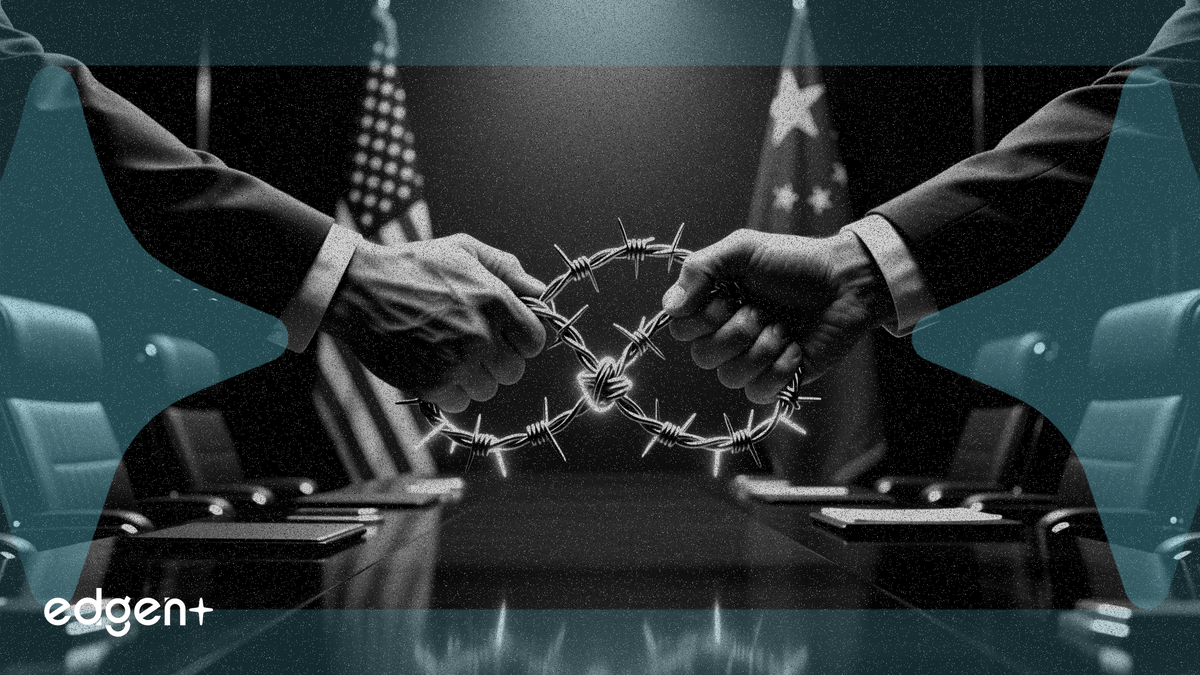
Destacados líderes empresariales estadounidenses, incluidos los directores ejecutivos de Apple, Tesla y Nvidia, se encuentran en Pekín para una cumbre de 36 horas con el presidente chino Xi Jinping, con el objetivo de navegar por una compleja red de disputas comerciales. Se espera que las conversaciones abarquen al menos tres áreas contenciosas: los aranceles estadounidenses sobre los productos chinos, las políticas industriales de China y la isla autónoma de Taiwán.
"En el clima actual, reunirse en persona es esencial para fomentar conexiones auténticas, y el Foro de Negocios Globales anual de la WTCA abre la conversación para arrojar luz sobre la realidad del entorno comercial actual, donde la incertidumbre, el cambio de políticas y las presiones económicas están remodelando la forma en que se hacen negocios a través de las fronteras", afirmó John E. Drew, presidente de la Junta Directiva de la WTCA.
La cumbre se produce tras un periodo de crecientes fricciones comerciales. Después de que la Corte Suprema invalidara los amplios aranceles globales del presidente Trump en febrero, su administración emitió un nuevo arancel global del 10 %, que un tribunal de comercio también declaró ilegal la semana pasada. La administración está apelando ahora esa decisión y tiene dos nuevos casos comerciales pendientes que podrían resultar en nuevos aranceles sobre China este verano, uno relacionado con el trabajo forzado y otro con la producción industrial.
El resultado de estas conversaciones podría tener implicaciones significativas para una economía global ya trastornada por la guerra y las tensiones comerciales. Para EE. UU., un objetivo clave es abrir más el mercado de China para las empresas estadounidenses y asegurar la cooperación de China para presionar a Irán. Para China, las prioridades incluyen el alivio arancelario y una suavización de las sanciones de EE. UU., particularmente aquellas dirigidas a los compradores chinos de petróleo iraní.
Los cambios recientes en el panorama comercial mundial, marcados por cambios de política y condiciones de mercado desiguales, han enmarcado gran parte de la discusión previa a la cumbre de esta semana. La presencia del director ejecutivo de Nvidia, Jensen Huang, cuya asistencia se confirmó apenas el martes, subraya el papel crítico de la inteligencia artificial en la relación comercial. Su empresa, que fabrica los chips que impulsan el auge de la IA, ha estado presionando por un mayor acceso al mercado chino, que ha identificado como una oportunidad de 50.000 millones de dólares.
Las políticas industriales de China siguen siendo un importante punto de discordia. Un informe reciente de la Cámara de Comercio de EE. UU. y el Rhodium Group documentó cómo el apoyo estatal de China a sus industrias nacionales se ha expandido, poniendo a los competidores internacionales en desventaja. Si bien la administración Trump ha señalado una postura más dura, con el representante comercial de EE. UU. Jamieson Greer declarando que EE. UU. ya no "fingiría" que China se convertiría en una economía de mercado, la cumbre puede ofrecer una oportunidad para el diálogo sobre este tema.
Los agricultores estadounidenses seguirán de cerca las conversaciones para detectar cualquier signo de progreso en las compras agrícolas. China tiene un historial de represalias contra los aranceles estadounidenses boicoteando los productos agrícolas estadounidenses, particularmente la soja. Una tregua comercial alcanzada el pasado octubre vio a China aceptar reanudar las compras, con el compromiso de comprar 12 millones de toneladas métricas de soja en 2025 y al menos 25 millones de toneladas métricas anuales durante los tres años siguientes.
La cumbre también se lleva a cabo mientras la Asociación de Centros de Comercio Mundial (WTCA) concluyó su 56º Foro de Negocios Globales anual en Filadelfia, donde más de 500 líderes de más de 50 países se reunieron para discutir el comercio global. El tema del foro, "Cimientos Históricos, Colaboraciones Futuras: Cultivando Nuevas Fronteras de Negocios", refleja el esfuerzo más amplio para construir asociaciones globales frente a la incertidumbre económica.
Este artículo es solo para fines informativos y no constituye asesoramiento de inversión.
