


Key Takeaways: A wave of US consumer lawsuits against Japanese importers is testing who legally owns tariff refunds after the Supreme Court voided the Trump administration's reciprocal duties.
Key Takeaways: A wave of US consumer lawsuits against Japanese importers is testing who legally owns tariff refunds after the Supreme Court voided the Trump administration's reciprocal duties.
A wave of US consumer lawsuits against Japanese importers is testing who legally owns tariff refunds after the Supreme Court voided the Trump administration's reciprocal duties.
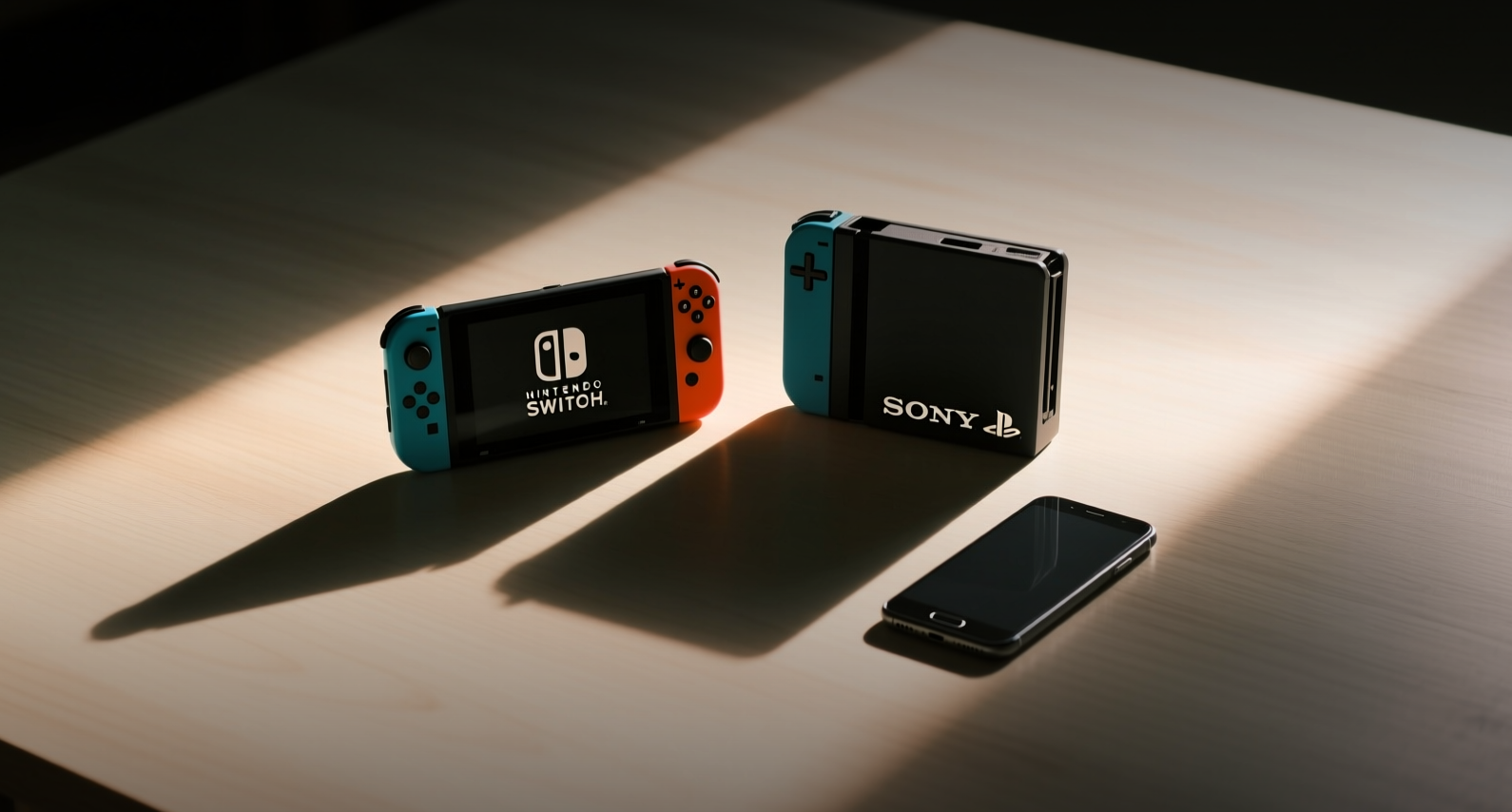
US consumers are suing Toyota Motor, Fast Retailing, Nintendo and Sony Group for a share of roughly $166 billion in tariff refunds after the Supreme Court voided the Trump administration's reciprocal duties.
"If Toyota keeps the tariff refund, that would amount to double recovery," a Virginia consumer who purchased a new vehicle argued in the suit, according to Kyodo News. The plaintiff said multiple components in the car were imported from countries subject to the reciprocal tariffs and that those costs were reflected in the vehicle's price.
The Supreme Court ruled in February that the steep tariffs imposed on major trading partners in April 2025 under the International Emergency Economic Powers Act exceeded presidential authority. The US Court of International Trade subsequently ordered refund procedures for importers, with roughly $166 billion in refunds now being processed. Sony Group expects approximately ¥80 billion ($502.3 million) in refunds.
The cases expose a structural gap in the tariff refund system: refund procedures were designed for importers, leaving no legal pathway for end consumers to recover tariff costs embedded in retail prices. If courts rule in favor of consumers, the precedent could extend well beyond Japanese firms to any importer that passed tariff costs through to buyers.
The lawsuits span automobiles, apparel, gaming consoles and electronics. Fast Retailing, which operates Uniqlo, has asked the court to dismiss its case, arguing that any connection between consumer prices and tariffs remitted is speculative. Nintendo said it will contest the suit, emphasizing that customers purchased products with full understanding of the listed prices. Sony also plans to seek dismissal. Toyota has not yet issued an official response.
The central legal question is who bears the economic burden of a tariff. Importers are legally liable for paying duties, but when companies embed those costs in product prices, the burden effectively transfers to consumers. Companies argue that proving how much of any price increase stemmed from tariffs is difficult, since product prices reflect exchange rates, raw material costs, labor, logistics and market conditions. The plaintiffs counter that the tariff regime was specifically designed to raise prices on imported goods, making the pass-through effect more direct than companies suggest.
The refund pool of $166 billion represents duties collected under the reciprocal tariff regime that was invalidated. The last comparable tariff dispute — the Section 301 actions against China that began in 2018 — did not produce a similar consumer refund mechanism, making these cases a novel test of tariff incidence law. The Section 301 tariffs remain in effect and were not subject to the same legal challenge, so the refund pool is unique to the IEEPA-based reciprocal tariffs.
Precedent Risk Extends Beyond Japan
If the plaintiffs prevail, the implications extend beyond Japanese multinationals. Any company that imported goods subject to the voided tariffs and passed costs to US consumers could face similar claims. The outcome could also shape how future tariff regimes are structured, with companies potentially facing dual exposure — paying duties to the government and refunding consumers if those duties are later invalidated.
For Japanese equities, the litigation adds a new layer of legal uncertainty for companies with significant US exposure. Toyota, Nintendo, Sony and Fast Retailing all derive substantial revenue from the US market, and adverse rulings could pressure margins and pricing strategies. The yen could also face indirect pressure if the cases dampen earnings expectations for Japan's largest exporters. Broader market sentiment toward Japanese ADRs and the Nikkei 225 could shift if investors begin pricing in potential refund liabilities.
This article is for informational purposes only and does not constitute investment advice.
