
Amazon spent years quietly negotiating a $2 billion data center in Gilroy, California — and residents only learned about it after construction began.
Amazon spent years quietly negotiating a $2 billion data center in Gilroy, California — and residents only learned about it after construction began.
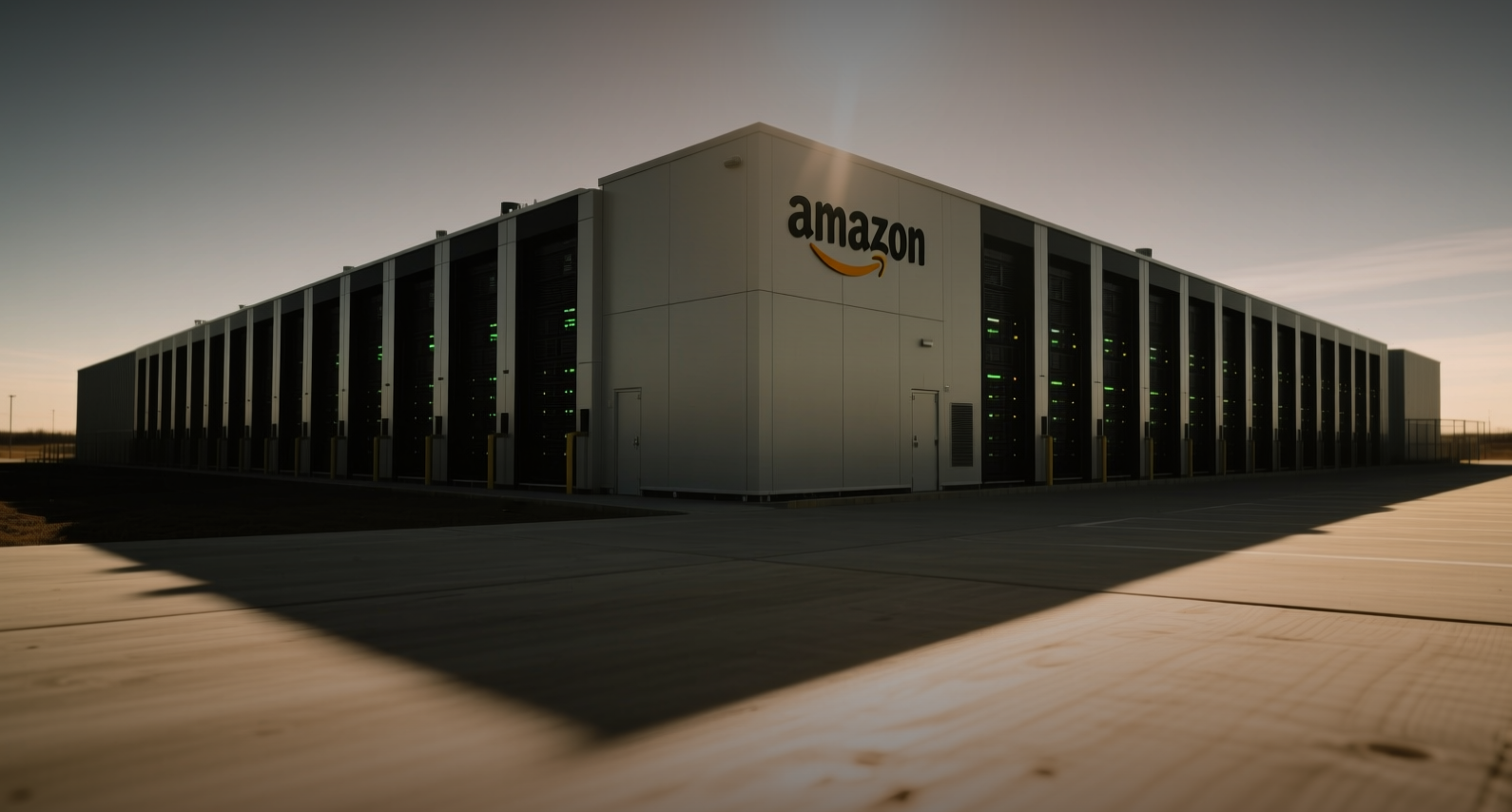
Amazon spent years quietly negotiating a $2 billion data center project in Gilroy, California, and construction is already underway — leaving residents who only learned of the facility after work began demanding answers from city officials.
"Many if not most residents first learned about this project after construction had already begun," Coleen Crew, an elementary-school teacher, said at a recent city council meeting.
The facility in Gilroy — known as the world's garlic capital — is part of Amazon's broader push to expand AWS infrastructure across California. The company and city officials spent years negotiating the project before any public disclosure, according to the Wall Street Journal. Furious residents packing city-council meetings have become a familiar scene as data center proposals trigger backlash in towns across America, but Gilroy's case is distinct: the $2 billion facility is already being built. Capacity details for the facility have not yet been disclosed.
The backlash highlights a growing tension between hyperscalers racing to build AI infrastructure and local communities demanding transparency. For Amazon, which competes with Microsoft's Azure and Google Cloud in the cloud market, community opposition could slow permitting for future projects and add reputational risk to an already capital-intensive expansion.
The Gilroy project's approval process stands out for its opacity. Amazon and city officials negotiated for years without public hearings or disclosures, according to the Wall Street Journal. By the time residents learned of the facility, construction equipment was already on site.
The pattern is not unique to Gilroy. Data center proposals have triggered opposition in communities across the United States as residents raise concerns about power consumption, water usage, noise, and property values. But most of those fights happen before construction begins. Gilroy's situation inverts the usual sequence — the building is going up while the debate is just starting.
The city council meetings in Gilroy have become heated affairs, with residents demanding to know who approved the project, when the approvals were granted, and what environmental reviews were conducted. The elementary-school teacher's testimony captured the frustration of many: the community was not consulted at any stage of the process.
The stakes extend beyond one California town. Amazon's AWS division is the largest cloud infrastructure provider by market share, and the company has committed tens of billions of dollars annually to capital expenditures for data center construction. Microsoft and Google are pursuing similar expansion plans, creating intense competition for suitable sites, power capacity, and local approvals.
Community backlash adds friction to that expansion. Each contested project risks permitting delays, legal challenges, and higher costs — factors that could slow the pace of infrastructure buildout at a time when AI demand is straining existing capacity. Hyperscalers have responded by seeking out less populated areas, but even rural communities are pushing back on the environmental footprint of large-scale data centers.
For investors, the Gilroy situation is a reminder that hyperscaler growth is not purely a technology story. It is also a land-use, political, and regulatory story. Amazon's ability to execute its infrastructure buildout depends on navigating local politics as much as on chip supply and power availability. The company's $2 billion commitment in Gilroy represents a significant bet on California as a data center market, but the community backlash could complicate future projects in the state.
The Gilroy city council is now facing pressure from residents to explain how the project was approved and what mitigation measures are in place. The outcome could set a precedent for how other California towns handle similar proposals — and whether hyperscalers need to change their community engagement strategies.
This article is for informational purposes only and does not constitute investment advice.
