

Applied Materials' CEO says AI is triggering the semiconductor industry's most significant growth inflection, with industry revenue projected to reach $1 trillion in 2026.
Applied Materials' CEO says AI is triggering the semiconductor industry's most significant growth inflection, with industry revenue projected to reach $1 trillion in 2026.
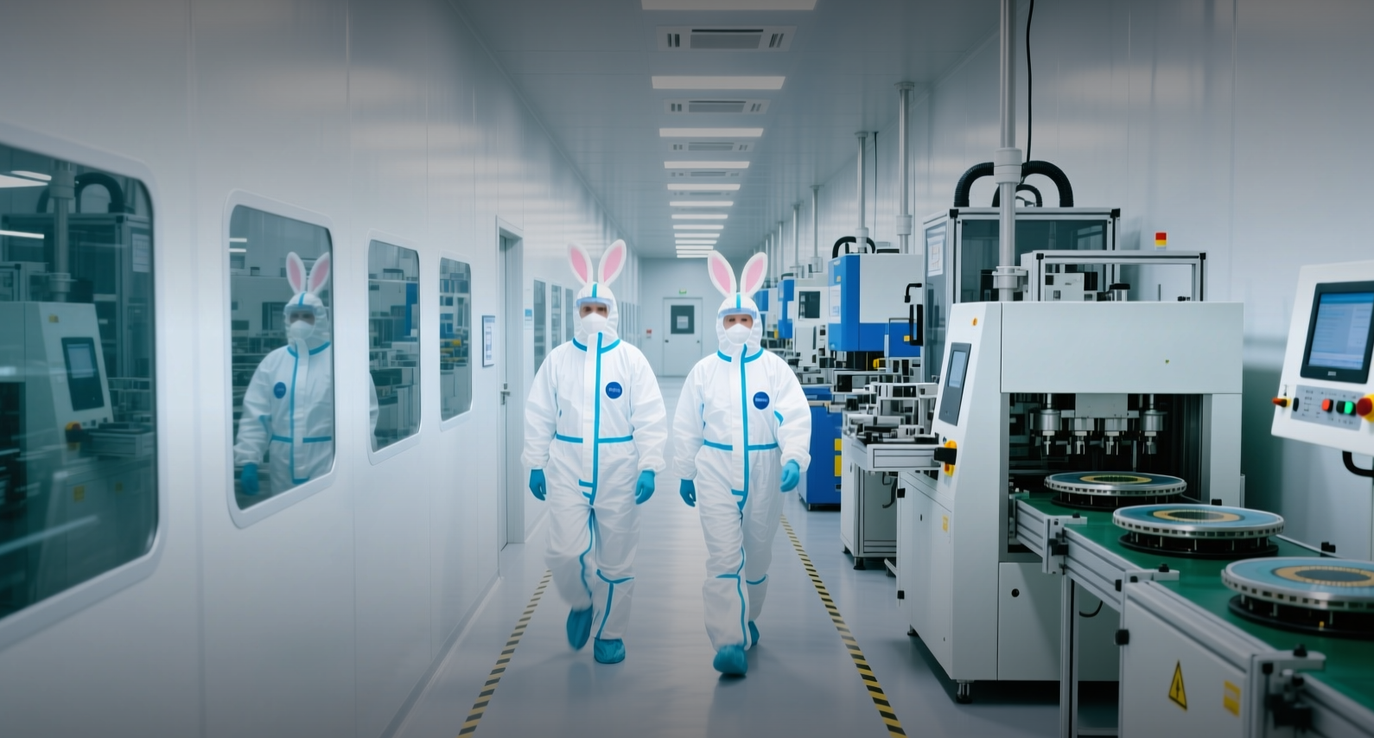
Applied Materials' CEO says AI is triggering the semiconductor industry's most significant growth inflection, with industry revenue projected to reach $1 trillion in 2026.
AI is pushing semiconductor industry revenue toward $1 trillion in 2026, and Applied Materials CEO Gary Dickerson calls it the sector's most consequential growth inflection, driving demand for new computing architectures, memory, and advanced packaging.
Dickerson made the remarks Aug. 27 as Applied Materials (NASDAQ: AMAT), the largest U.S. chip-equipment maker, continues to benefit from the AI infrastructure buildout. The company's shares closed at $492.32 on Aug. 21, up 143.92 percent over the past year, according to market data.
The CEO's comments point to a structural shift in how chips are designed and manufactured. AI workloads require specialized computing architectures that differ from traditional CPU-centric designs, pushing demand for high-bandwidth memory (HBM) and advanced packaging technologies such as TSMC's CoWoS (chip-on-wafer-on-substrate). These technologies enable the dense interconnects needed to link AI accelerators with memory — a bottleneck that has become a critical constraint in scaling AI systems.
The $1 trillion revenue milestone would mark a significant acceleration for the semiconductor industry. For Applied Materials, the inflection translates directly into orders for its deposition, etch, and ion-implantation tools — the equipment that fabricates these advanced chip architectures. The company's one-month performance shows a clear inflection in growth beginning in the second quarter, according to market data.
The AI-driven buildout has created a virtuous cycle for semiconductor equipment makers. As hyperscalers and cloud providers pour capital into AI infrastructure, chipmakers including TSMC, Samsung Foundry, and Intel are expanding capacity for advanced nodes. Applied Materials, which supplies the tools used to deposit and etch materials at the atomic scale, sits at the center of this expansion.
The company's 143.92 percent share price gain over the past year places it among the top performers in the semiconductor complex, alongside AMD, which has also benefited from AI-driven demand. The equipment maker's growth trajectory mirrors the broader industry trend: as AI models grow in complexity, they require more advanced chips, which in turn require more sophisticated manufacturing equipment.
This dynamic has also lifted the entire semiconductor supply chain. Nvidia, the dominant AI accelerator maker, has driven unprecedented demand for TSMC's advanced process nodes and CoWoS packaging capacity. That demand cascades down to equipment suppliers like Applied Materials, whose tools are essential for producing the wafers that become AI chips.
One of the most significant shifts Dickerson highlighted is the growing importance of advanced packaging. Traditional chip scaling — shrinking transistors on a single die — is hitting physical limits. AI accelerators increasingly rely on chiplets and advanced packaging to combine multiple dies into a single high-performance package.
This shift benefits Applied Materials directly. The company's tools are used in the deposition and etch processes that create the interconnects and vias essential for advanced packaging. As AI chips move to 2nm and beyond, the number of process steps — and therefore the number of equipment tools needed — continues to grow.
The $1 trillion revenue projection for 2026 reflects this structural change. If realized, it would represent a step-change in industry growth, driven not just by cyclical recovery but by the secular demand pull from AI.
Applied Materials shares, trading at a significant premium to their historical average, reflect the market's confidence in this trajectory. The question for investors is whether the AI-driven growth inflection can sustain the pace of the past year, or whether the equipment cycle will eventually cool as capacity catches up with demand. For now, Dickerson's assessment suggests the equipment maker sees no near-term slowdown in the AI buildout.
This article is for informational purposes only and does not constitute investment advice.
