


Key Takeaways: Archer Aviation is buying three Boeing subsidiaries in an all-stock deal that adds more than $200 million in annual revenue and transforms the air taxi startup into a diversified aerospace and defense company.
Key Takeaways: Archer Aviation is buying three Boeing subsidiaries in an all-stock deal that adds more than $200 million in annual revenue and transforms the air taxi startup into a diversified aerospace and defense company.
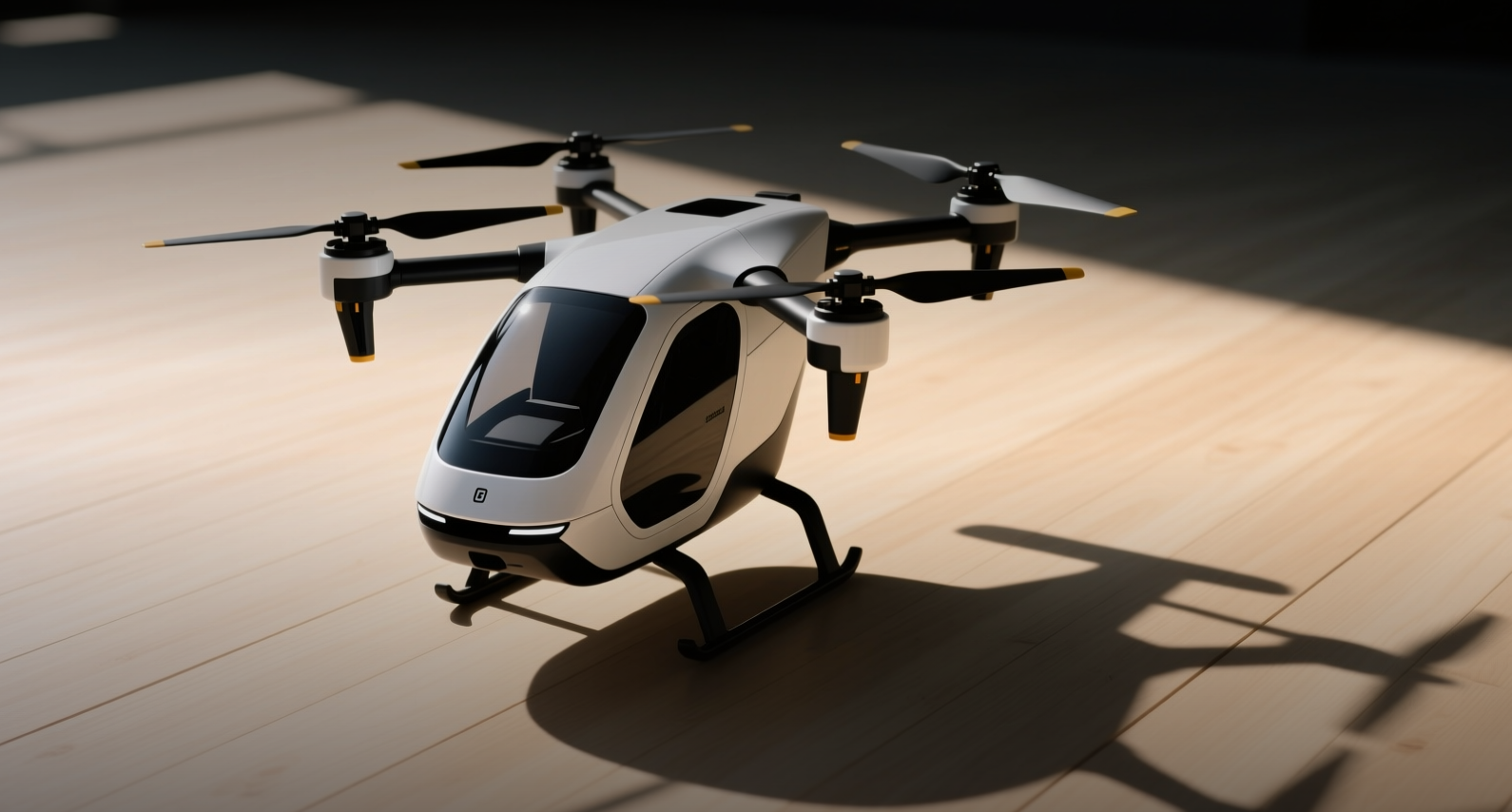
Archer Aviation agreed to acquire Boeing's Wisk Aero, Insitu and SkyGrid in an all-stock transaction, giving Boeing roughly a 16 percent stake while adding more than $200 million in profitable annual revenue through Insitu's military drone business.
"If ever two companies could come together in the eVTOL space, it's Archer and Wisk," Adam Goldstein, founder and chief executive officer at Archer Aviation, said. "It's really a natural thing for us to come together."
Boeing will receive newly issued shares equal to nearly 20 percent of Archer's pre-deal share count, plus warrants to purchase up to $200 million of stock at strike prices of $13.00 and $17.88. The aerospace giant also gets a board seat and retains access to Wisk's autonomous flight technology for its commercial and defense aircraft programs. The transaction is expected to close by year-end, subject to regulatory approvals, with an outside date of May 9, 2027.
The deal marks a full-circle moment after a bitter 2021 trade-secrets lawsuit between Archer and Wisk. It transforms Archer from a largely pre-revenue air taxi developer into a platform spanning military drones, autonomy software and aviation AI — generating cash today while building toward the longer-term autonomous aviation market.
Insitu, which has manufactured more than 4,000 Group 2 and Group 3 uncrewed aircraft systems across 35 countries, will give Archer an immediate revenue base. Its fleet has logged nearly 2 million autonomous flight hours, building one of the largest datasets of its kind for autonomy development. Wisk, founded in 2010 by Larry Page, brings more than 1,700 hours of autonomous test flights across six aircraft generations and 700-plus patent assets. SkyGrid adds next-generation airspace management software that Archer plans to pair with ZEE, its aviation-specific AI foundation model.
The deal also accelerates Archer's Halo/Thunder platform, a jointly developed autonomous hybrid VTOL aircraft with Anduril unveiled at the Farnborough International Airshow in July. Wisk's autonomy stack will be deployed on Halo first, with the technology expected to flow back to Archer's Midnight air taxi when the FAA certifies autonomous passenger operations. Goldstein said deploying nascent autonomy technology in defense applications first will build a safety record that helps the public accept self-flying air taxis.
Archer reported a second-quarter net loss of $263.2 million on revenue of $5.0 million, with adjusted EBITDA loss of $177.1 million — near the low end of guidance. The company ended June with $1,560.6 million in cash and short-term investments, down $215.3 million from the prior quarter. For the third quarter, Archer expects an adjusted EBITDA loss between $170 million and $200 million.
Goldstein said the integration of the Boeing businesses "will not structurally increase our overall cash burn." Meanwhile, Archer completed piloted city-to-city Midnight flights between Salinas and Monterey, California, in July, with each leg taking about nine minutes compared with more than 35 minutes by car. The company plans to begin operations under the White House's eVTOL Integration Pilot Program later this year in Texas, ahead of a planned debut at the 2028 Olympics in Los Angeles.
Former Wisk CEO Brian Yutko, now Boeing's vice president for commercial airplanes product development, called the deal a "win-win" for both companies. "It allows Wisk, SkyGrid and Insitu to accelerate capability development and time to market while ensuring Boeing capitalizes on its investments in these technologies over the past two decades."
The transaction gives Boeing a strategic partner in the emerging advanced air mobility sector while allowing the aerospace giant to focus on its core commercial airplanes, defense and space operations. For Archer, the deal addresses investor demands for near-term revenue while reducing reliance on the still-unproven electric air taxi market. The company's stock trades on the New York Stock Exchange under the ticker ACHR, with warrants listed as ACHR WS.
This article is for informational purposes only and does not constitute investment advice.
