

Cadence's AuraStack AI Super Agent is the first agentic AI platform purpose-built for PCB and advanced packaging design, targeting a growing bottleneck in chip development.
Cadence's AuraStack AI Super Agent is the first agentic AI platform purpose-built for PCB and advanced packaging design, targeting a growing bottleneck in chip development.
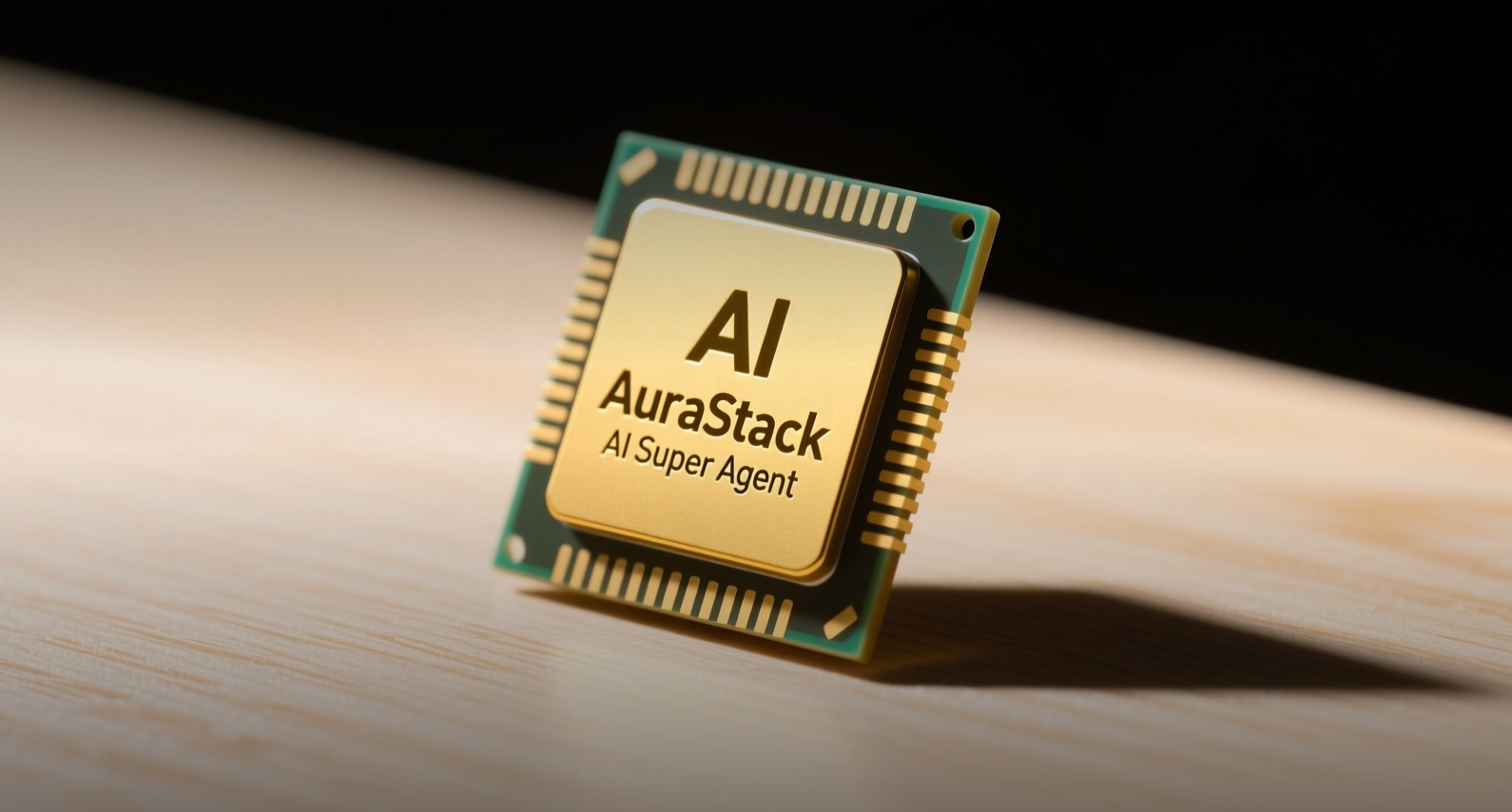
Cadence's AuraStack AI Super Agent is the first agentic AI platform purpose-built for PCB and advanced packaging design, targeting a growing bottleneck in chip development.
Cadence Design Systems launched the AuraStack AI Super Agent, the first agentic AI platform for printed circuit board and advanced packaging design, taking engineers from system planning to final product in a single environment.
The platform coordinates domain-specific AI agents across planning, implementation, and verification, Cadence said in a statement. It is accelerated by Nvidia Blackwell GPUs and Nvidia CUDA-X software.
AuraStack runs on the Cadence Allegro AI Studio and targets the growing complexity of PCB and advanced packaging design, where engineers must manage signal integrity, thermal constraints, and multi-die integration. The platform competes with EDA tools from Synopsys and Siemens EDA, though neither has announced a comparable agentic AI offering for this segment.
The launch positions Cadence at the forefront of AI-native electronic design automation, a category that could reshape how semiconductor and electronics companies design increasingly complex systems. As chip designs move to advanced nodes and heterogeneous packaging, tools that automate multi-domain coordination address a growing bottleneck in the design cycle.
The AuraStack AI Super Agent represents a shift from traditional EDA tools, which require engineers to manually move designs between separate planning, implementation, and verification applications. By embedding AI agents that communicate across these domains, Cadence aims to reduce iteration time and catch design rule violations earlier in the workflow. The platform's agentic architecture — where specialized AI models handle specific tasks and coordinate results — mirrors a broader trend in enterprise software toward autonomous workflow systems.
Nvidia's Blackwell architecture provides the compute backbone for the platform's AI inference workloads, while CUDA-X libraries handle the parallel processing required for electromagnetic simulation and thermal analysis. The partnership extends a long-standing collaboration between the two companies, which have jointly optimized Cadence's simulation tools for Nvidia GPUs. For Nvidia, the collaboration also serves as a reference design for how Blackwell can be deployed in EDA workloads, a market that has historically relied on CPU-based compute. The shift toward GPU-accelerated EDA could reduce simulation times for complex PCB designs from days to hours, though Cadence has not disclosed specific performance benchmarks.
For semiconductor companies designing advanced packages — where multiple chiplets are integrated into a single substrate — the coordination challenge has grown exponentially. Traditional PCB design tools were not built for the signal integrity and thermal density of multi-die systems, creating an opening for AI-native approaches. TSMC's CoWoS packaging technology, which has seen strong demand from Nvidia and AMD for AI accelerator production, exemplifies the kind of complex multi-die integration that benefits from automated design coordination.
The competitive stakes are high. Synopsys, Cadence's primary rival in the EDA market, has invested heavily in its own AI-driven design tools through the Synopsys.ai platform, which covers simulation, verification, and synthesis. Siemens EDA, the third major player, offers the Xpedition line for PCB design. Neither has announced a dedicated agentic AI platform specifically for PCB and advanced packaging, giving Cadence a potential first-mover advantage in this segment. The question is how quickly competitors can respond with similar capabilities.
For investors, the AuraStack launch represents Cadence's bet that AI-native tools will define the next phase of EDA competition. If the platform gains traction with leading semiconductor and electronics companies, it could accelerate design win cycles and support premium pricing, potentially expanding Cadence's margins in its PCB and packaging segment. The broader question is whether Synopsys and Siemens EDA will respond with competing agentic platforms, which could compress the first-mover window.
Cadence did not disclose pricing, customer commitments, or general availability dates for the AuraStack platform. The company said the platform is available now on Allegro AI Studio.
This article is for informational purposes only and does not constitute investment advice.
