
Ingdan pivoted from AI hardware distribution to operating a vertical AI Token factory, securing over $1 billion in non-binding service orders from cloud and AI companies.
Ingdan pivoted from AI hardware distribution to operating a vertical AI Token factory, securing over $1 billion in non-binding service orders from cloud and AI companies.
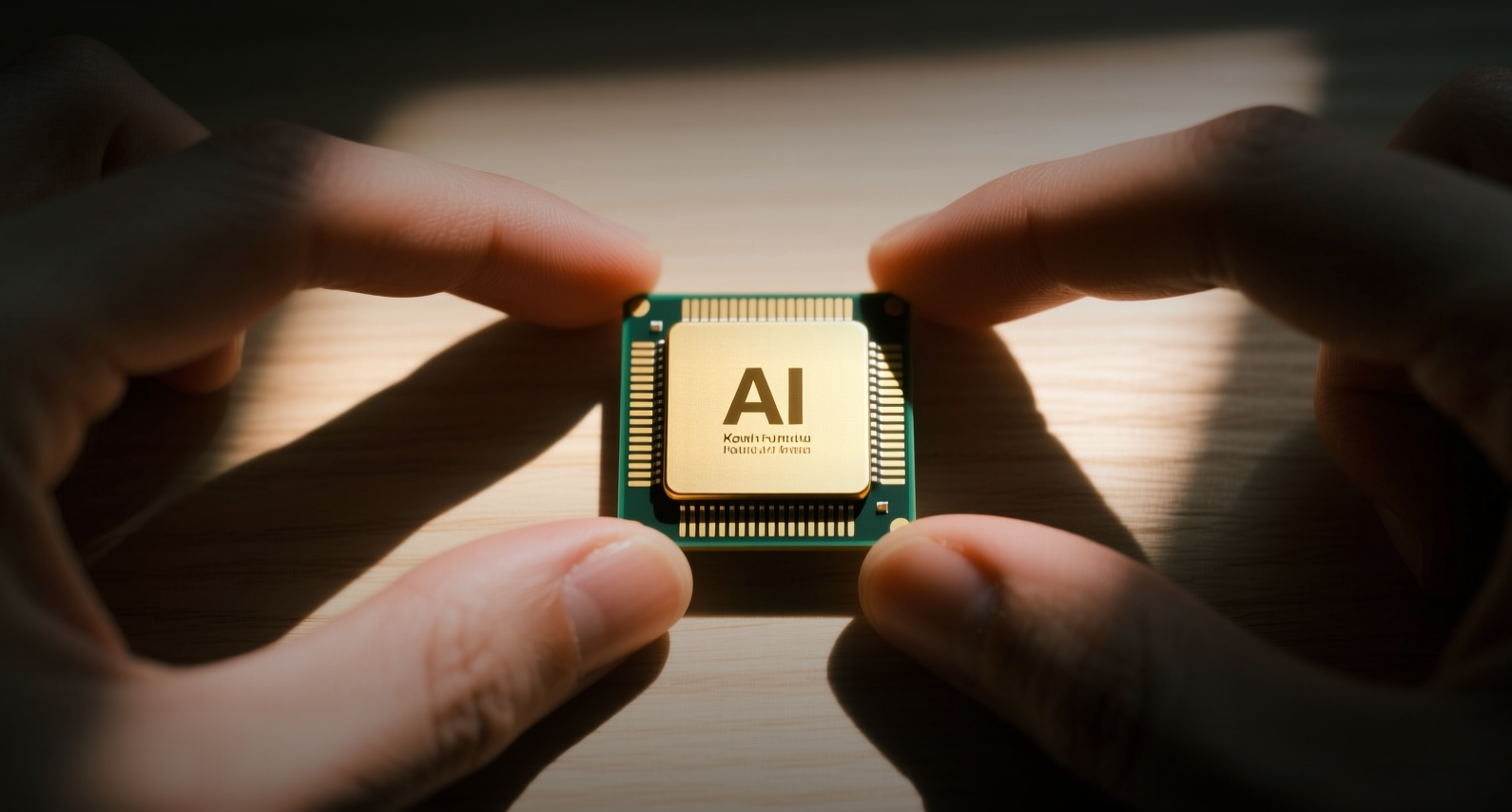
Ingdan pivoted from AI hardware distribution to operating a vertical AI Token factory, securing over $1 billion in non-binding service orders from cloud and AI companies.
Ingdan Inc. completed a strategic shift from AI hardware distributor to vertical AI Token factory operator, securing more than $1 billion in intended service orders from global cloud providers and AI model companies.
"The group has established a vertical industry Token computing power scheduling platform and adopted a Token computing power revenue-sharing profit model," Ingdan said in a filing. The company deploys computing infrastructure through self-owned clusters and third-party centers in China and overseas.
The $1 billion in cumulative intent orders came from clients including leading global cloud service providers, embodied intelligence companies and AI model firms. Ingdan plans to build distributed computing power nodes across multiple locations in and outside China, iterating industry-customized Token products to develop Token operation services into its second growth driver.
The pivot positions Ingdan as an early mover in specialized AI computing services, though the company cautioned the intent orders are non-binding and actual revenue depends on formal contracts and market conditions. Shares of the Hong Kong-listed company rose 4.3 percent on Wednesday, giving it a market capitalization of about HK$6.9 billion.
The move marks a significant departure from Ingdan's legacy business as an AI hardware distributor. Under the new model, the company acts as an intermediary between computing power suppliers and enterprise AI customers, taking a revenue share rather than a traditional distribution margin. Its clients span humanoid robotics developers, UAV manufacturers and large AI model companies — sectors that require specialized, low-latency computing rather than general-purpose cloud capacity.
The Token computing model represents a novel approach to AI infrastructure monetization. Rather than selling hardware or leasing fixed server capacity, Ingdan tokenizes computing power into discrete units that customers can purchase on demand. This mirrors the broader industry trend toward compute-as-a-service models that companies such as CoreWeave and Lambda Labs have popularized in the US market, though Ingdan's focus on vertical industry applications — robotics, UAVs, embodied AI — differentiates it from general-purpose GPU cloud providers.
For investors, the question is whether Ingdan can convert its $1 billion intent pipeline into binding contracts. The company's Hong Kong-listed shares trade at a market cap of roughly HK$6.9 billion, implying the intent orders represent about 11 times annualized revenue if fully realized. Nvidia's data center revenue alone reached $130 billion in its most recent fiscal year, highlighting both the scale of the addressable market and the competitive challenge Ingdan faces against hyperscalers and established GPU cloud providers.
This article is for informational purposes only and does not constitute investment advice.
