

Intel's $15 billion equity raise is the latest sign that AI infrastructure financing is straining even the semiconductor industry's most capital-intensive players.
Intel's $15 billion equity raise is the latest sign that AI infrastructure financing is straining even the semiconductor industry's most capital-intensive players.
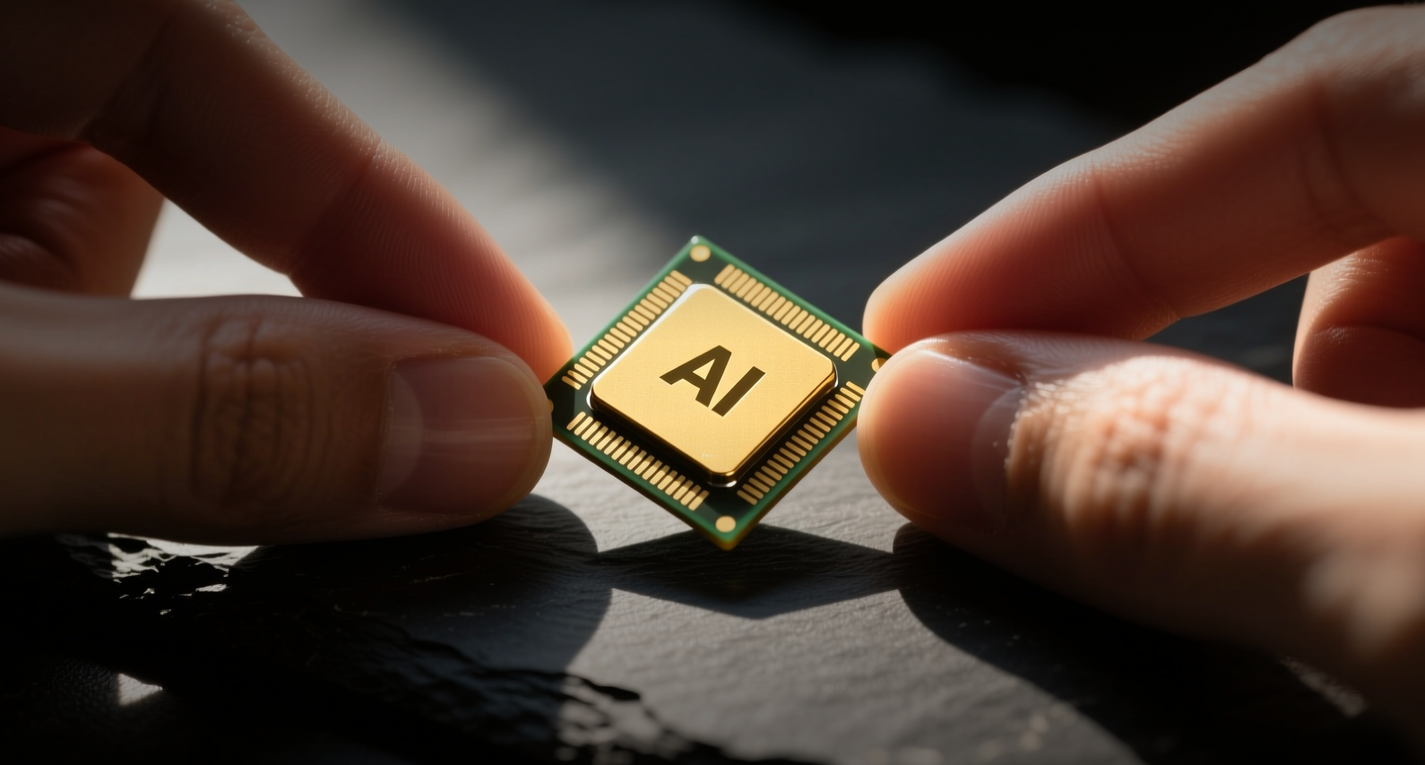
Intel's $15 billion stock offering, announced Monday, funds a semiconductor buildout that has pushed 2026 capital spending above $20 billion, testing whether AI demand can justify the dilution to existing shareholders.
"While the transaction appears dilutive to EPS, we nonetheless feel that an equity raise is a sensible option now, given the stock price," Chris Caso, analyst at Wolfe Research, said.
The offering includes a $2.25 billion underwriter option, potentially reaching $17.25 billion. Intel reported 5.044 billion shares outstanding as of July 17; at a $100 offer price, the base deal would add roughly 150 million shares, increasing the share count by about 3 percent. The company's stock has more than doubled this year, giving management a favorable window to raise equity. J.P. Morgan, Goldman Sachs, Morgan Stanley and Citigroup are serving as joint book-running managers.
Intel's Q2 revenue rose 25 percent to $16.1 billion, with Data Center and AI revenue surging 59 percent to $6.3 billion and foundry revenue up 31 percent to $5.8 billion. But the company accumulated roughly $44 billion in negative free cash flow from 2022 through 2025, and its $48.5 billion debt load means equity — not more borrowing — is the cheaper path to fund the turnaround.
Intel issued $6.5 billion of senior notes in April with coupons ranging from 4.65 percent to 6.20 percent. Raising another $15 billion in debt would have pushed interest costs higher and threatened the investment-grade credit rating management has prioritized. The equity route preserves the balance sheet but transfers the cost to shareholders through dilution.
The company reported $12.874 billion in cash and $16.853 billion in short-term investments as of June 27, against $48.549 billion in total debt. The base offering represents roughly half of its combined cash and short-term investments — a substantial injection for a company that raised its 2026 capex forecast from $18 billion to more than $20 billion in July.
CEO Lip-Bu Tan attributed the spending increase to demand. "AI is driving unprecedented demand for compute," he said. CFO Dave Zinsner said Intel was "meaningfully increasing our investments in equipment, clean room space, and substrates."
The capital raise also reflects a strategic shift in how Intel finances its turnaround. The company's GAAP loss in Q2 included a $12.5 billion mark-to-market charge related to U.S. government escrowed shares, though core margins improved significantly. Non-GAAP diluted EPS returned to $0.42 from a loss of $0.10 a year earlier.
Intel is not alone in confronting the cost of AI infrastructure. Alphabet pursued an $84.75 billion equity raise, Oracle turned to both debt and equity for its data-center expansion, and the five largest U.S. AI data-center builders have added roughly $350 billion of debt over five years, according to Bloomberg data reported by the Los Angeles Times. Google turned free cash flow negative for the first time as a public company because of its AI buildout.
The pattern raises a question that extends beyond Intel: Can AI infrastructure spending generate returns above the cost of capital? For Intel specifically, the answer depends on whether its foundry business can win external customers against Taiwan Semiconductor Manufacturing Co., which continues to dominate contract chip manufacturing. Intel is targeting large-scale 14A production in 2028, a timeline that will require sustained capital commitment.
Intel shares fell more than 3 percent in premarket trading Monday. TipRanks data shows 7 Buy, 24 Hold, and 2 Sell ratings, with an average 12-month price target of $119.11 — a range spanning $80 to $200. The market is pricing in the dilution but remains divided on whether Intel can convert the capital into profitable foundry growth. If the foundry business fails to attract external customers at scale, shareholders will have financed the expansion while owning a smaller stake in the company.
This article is for informational purposes only and does not constitute investment advice.
