
Iran's Revolutionary Guard shot down a US MQ-9 Reaper over the Strait of Hormuz on Monday, cutting shipping through the chokepoint to about five vessels a day as Washington and Tehran traded strikes.
Iran's Revolutionary Guard shot down a US MQ-9 Reaper over the Strait of Hormuz on Monday, cutting shipping through the chokepoint to about five vessels a day as Washington and Tehran traded strikes.
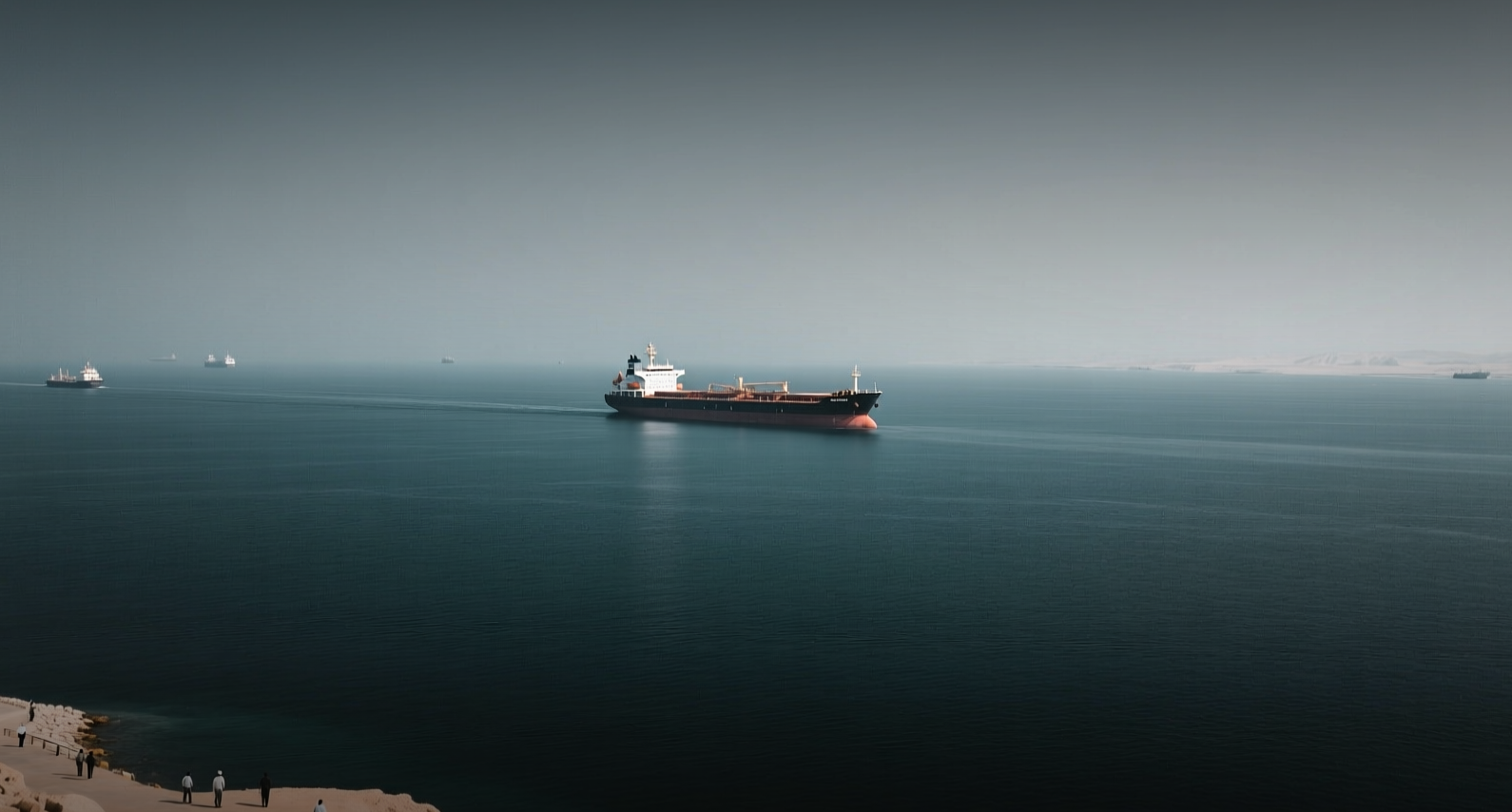
Iran's Revolutionary Guard shot down a US MQ-9 Reaper over the Strait of Hormuz on Monday, deepening a confrontation that has cut daily shipping through the chokepoint to about five vessels.
"Washington's escalating military and economic pressure is a strategic and fatal mistake that will change the balance against its architects," Brigadier General Hossein Mohebi, IRGC spokesman, said, warning that further attacks on Iranian territory would draw "more crushing" responses.
The drone was struck by air defense missiles early Monday and crashed into Persian Gulf waters, the IRGC said. The downing came hours after Iran launched a combined ballistic missile and drone operation against US-operated King Hussein and Al-Azraq air bases in Jordan, and after Iranian forces targeted Al Minhad Air Base in the UAE with suicide drones. The strikes were retaliation for Sunday's US attack on Iran's Larak Island, which Iranian sources said killed at least two people and wounded two others. Fars News Agency reported that flight-navigation data indicated the US drone strike against Larak had been launched with support from bases in Jordan.
The Strait of Hormuz carries roughly 20 percent of global oil trade, making the escalation a direct threat to crude supply. The last time Iran downed a US drone was June 2019, when it shot down a Navy RQ-4A Global Hawk, briefly pushing Brent crude above $75 a barrel. With Iran now also reporting a large oil tanker struck two sea mines south of Hormuz, the risk premium on oil is building.
Shipping data from Kpler showed commodity vessel traffic through Hormuz fell to about five per day over the weekend, down from 14 on Friday. Some ships have disabled their Automatic Identification System transponders while navigating the waterway to reduce exposure to possible attacks, meaning the actual figure could be higher. One large crude-oil tanker carrying approximately two million barrels of Qatari oil completed its passage after switching off its transponder, while another tanker headed toward India after disabling its identification equipment.
The IRGC Navy separately reported that a large oil tanker struck two sea mines while attempting to cross through what Iran described as an unauthorized route south of the Strait of Hormuz. The explosions caused major fires aboard the vessel and brought it to a complete stop, the IRGC said, without providing the vessel's identity, crew or cargo. The incident highlights the growing physical risk to commercial shipping in the waterway, which has historically been a key transit point for roughly one-fifth of global oil consumption and about one-quarter of liquefied natural gas trade.
The military exchange marks the first significant escalation between Washington and Tehran in a month, following a period of relative calm after earlier rounds of strikes. US officials acknowledged the Larak Island operation, with a US official cited by Axios saying American forces had targeted two Iranian launchers. The IRGC said several fighters and civilians were killed or wounded in the attack.
The confrontation carries direct implications for energy markets. Any sustained disruption to shipping through Hormuz would tighten crude supply at a time when OPEC+ is managing output levels. Defense and energy equities could benefit from the escalation, while broader equity markets face risk-off pressure if the conflict deepens. The last comparable episode in June 2019 saw Brent crude spike more than 4 percent in a single session after Iran downed the US Global Hawk drone, before prices retreated as diplomatic channels reopened.
Iranian President Masoud Pezeshkian said Tehran would respond decisively to any aggression, while US President Donald Trump reiterated that Iran must not be allowed a nuclear weapon. The next flashpoint could come from further US strikes on Iranian territory or Iranian attacks on US assets in the region, with both sides showing little appetite for de-escalation.
This article is for informational purposes only and does not constitute investment advice.
