
Qatar secured a tentative Hormuz corridor deal with Iran, but Trump's rejection of the June memorandum leaves oil flows near 5 million barrels a day.
Qatar secured a tentative Hormuz corridor deal with Iran, but Trump's rejection of the June memorandum leaves oil flows near 5 million barrels a day.
Qatar secured a tentative Hormuz corridor deal with Iran, but Trump's rejection of the June memorandum leaves oil flows near 5 million barrels a day.
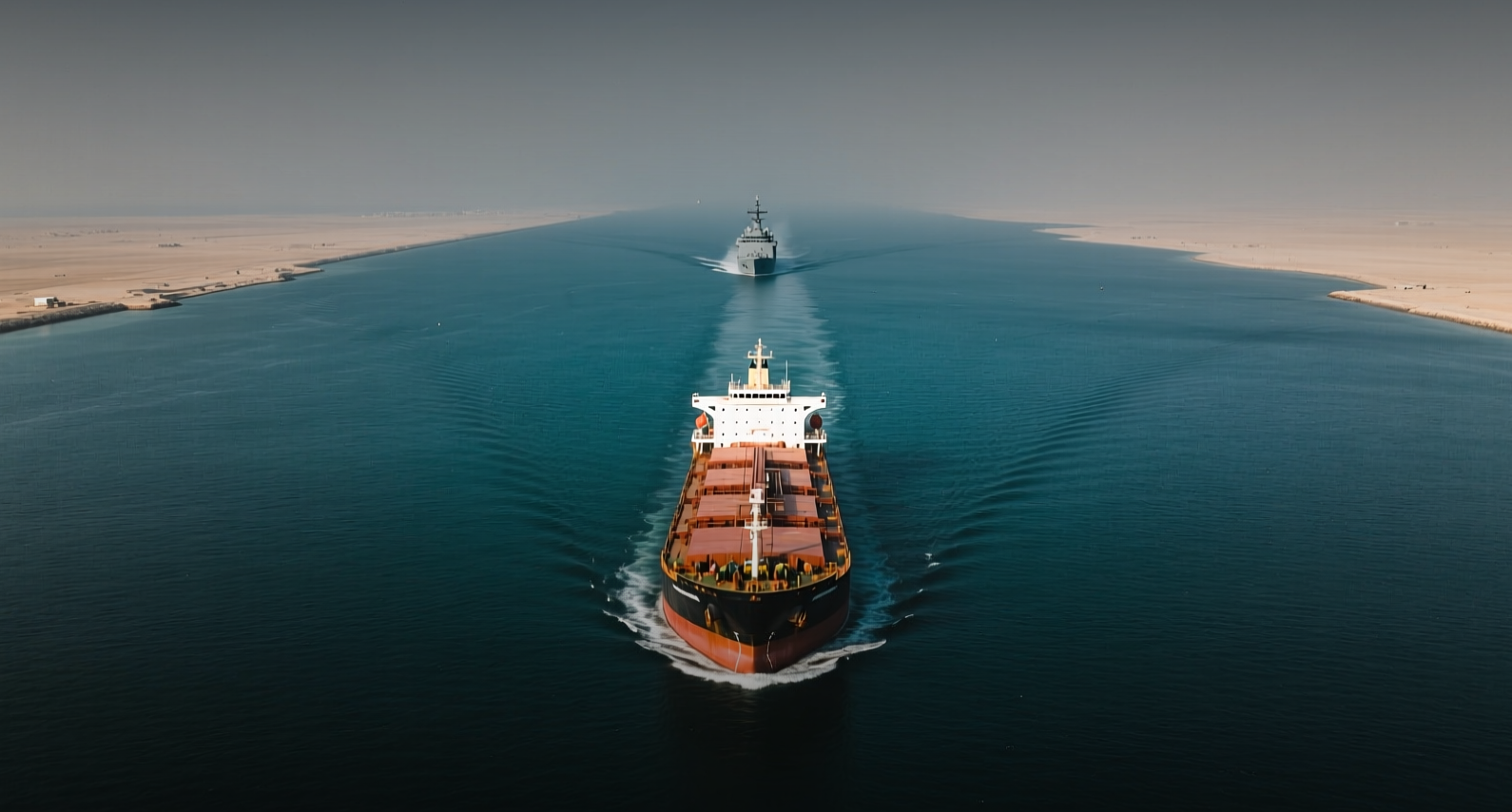
Qatar and Iran agreed Thursday on a temporary shipping corridor and joint mine-clearing operation in the Strait of Hormuz, even as oil flows through the waterway remain near 5 million barrels a day, a quarter of pre-conflict levels. Qatari Prime Minister Sheikh Mohammed bin Abdulrahman Al Thani met Iranian Foreign Minister Seyed Abbas Araghchi in Tehran, where both sides discussed a phased framework for reopening the strait that has been effectively closed since the Middle East war began Feb. 28.
"If the United States stops obstructing and returns to the agreement, we can open the Strait of Hormuz within the framework of the agreement reached," said Hossein Mohebbi, spokesman for Iran's Islamic Revolutionary Guard Corps, in an interview with state television. Iran's Supreme National Security Council Secretary Ali Rezaei said Tehran has prepared a conditions list for Washington, allowing vessels temporary passage through a specific lane but making full reopening contingent on a new memorandum.
The talks came as the U.S. Navy said it had removed or detonated more than 100 objects believed to be mines from the waterway's median lane, enabling tankers to move more than 660 million barrels of crude since early May. Shipping data showed 10 commodity vessels passed through the strait Wednesday, up from eight the prior day, while oil flows fell to about 5 million barrels a day Monday from roughly 20 million before the conflict.
The standoff carries direct consequences for global energy markets: the strait handles about 21 percent of world oil trade, and any prolonged closure would push crude prices and shipping insurance costs higher. With Washington rejecting the June memorandum and Tehran demanding U.S. concessions, the corridor's fate now hinges on whether Qatar and Oman can bridge a gap that has widened over six months of conflict.
The framework under discussion mirrors the memorandum of understanding signed in mid-June, which left it to Iran and Oman "to define the future administration and maritime services" in the waterway. That deal collapsed over disagreements on security and shipping arrangements. The White House has shown no interest in reviving the June terms. "As the president said, there are no negotiations ongoing or planned with the Islamic Republic of Iran," said Anna Kelly, a White House spokesperson. Treasury Secretary Scott Bessent warned the U.S. would sanction any nation doing business with Iran, and Trump earlier this month threatened to bomb Oman if it "gets in the way." The last time Washington imposed a similar blockade posture, in 2019, oil prices spiked more than 20 percent within weeks before easing as tanker traffic resumed.
Oman, which borders the strait and has long served as a mediator, is seeking to separate freedom of navigation from the wider conflict. "Oman and Iran are effectively negotiating elements of a post-war governance and security architecture for Hormuz — which explains the slow pace," said Abdallah Baaboud, an Omani researcher. Muscat wants other Gulf states involved to avoid the appearance of a one-on-one deal with Tehran, while Washington has criticized Oman for conceding too much. The diplomatic push has been complicated by continued attacks on shipping: a Kuwaiti crude oil tanker was struck Tuesday evening near the Omani coast, causing a fire onboard, according to maritime security firm Ambrey. The incident shows the persistent risk premium in the waterway even as U.S. escorts have enabled more than 500 ship transits in the past month.
Iran's deputy foreign minister, Kazem Gharibabadi, said the proposed arrangement would route inbound ships through Iranian waters and outbound vessels through Omani waters, with 30 to 60 days to finalize a permanent route. If Washington holds its line, the corridor may open on a limited basis; if not, the strait could remain a flashpoint that keeps oil volatility elevated and pressures energy-sensitive sectors across global equity markets.
This article is for informational purposes only and does not constitute investment advice.
