NATO allies emerged from the two-day summit in Ankara with more than $50 billion in new defense procurements and a $40 billion counter-drone investment, signaling that last year's 5% spending commitment is translating into industrial mobilization. The July 7-8 gathering of the alliance's 32 member states produced agreements spanning trans-Atlantic weapons production, long-range precision strike capabilities, and a renewed pledge of €70 billion ($80 billion) in military aid for Ukraine in both 2026 and 2027.
"The hum of machinery must become a roar," NATO Secretary General Mark Rutte said at the Defense Industry Forum on the summit's sidelines, calling for a defense industry "revolution" across the alliance. Rutte noted that member states had spent $37 billion on defense in a single year and described European increases as "staggering" and "money well spent."
Five of NATO's 32 members are projected to meet the alliance's 3.5% of GDP core defense target in 2026, according to Reuters. Lithuania leads at 5.33%, followed by Estonia at 5.1%, Latvia at 4.92%, Poland at 4.68%, and Greece at 3.65%. The 3.5% threshold represents the hard-power portion of the 5% target agreed at the 2025 Hague Summit, with the remaining 1.5% allocated to areas such as cyber defense. Several allies still lag behind even the original 2% target set in 2014, including Albania at 1.48%, Slovenia at 1.57%, and Czechia at 1.86%, though Albania and Slovenia are expected to exceed 2% by year-end. Belgium, Portugal, and Italy have only just reached the 2% mark.
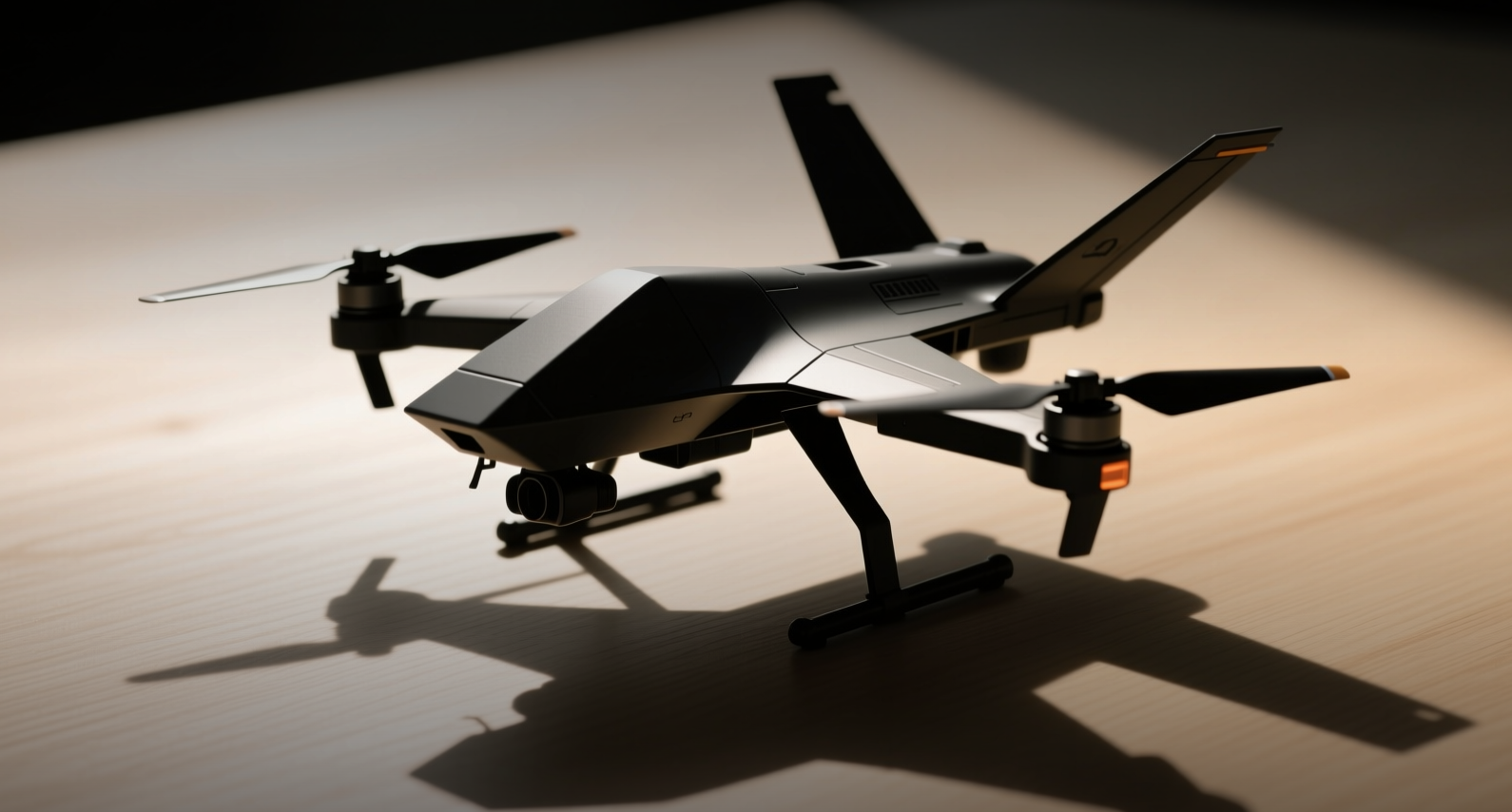
The summit's defense production agreements signal a shift toward trans-Atlantic industrial integration. Twelve European nations including the United Kingdom, France, and Germany committed to spending more than $50 billion over the next decade to develop long-range precision weapons, a UK-led initiative. Separate deals included European countries purchasing surveillance drones from Northrop Grumman, NATO acquiring aircraft from Sweden's Saab, and agreements to build the U.S. Army's Tactical Missile System in Germany, establish a Patriot air-defense sustainment facility in Europe, and produce Ukrainian-designed deep-strike drones in Germany. The $40 billion counter-drone initiative involves 12 allies — Belgium, Canada, Denmark, Finland, Greece, Italy, Luxembourg, the Netherlands, Norway, Spain, Sweden, and Turkey — and reflects lessons from Ukraine, where drones have "fundamentally altered the character of modern warfare," according to the Ankara Summit Declaration.
Ukraine aid and the Article 5 commitment
Ukrainian President Volodymyr Zelenskyy attended a working dinner via the NATO-Ukraine Council platform, pressing for additional air defense capabilities and reiterating Kyiv's case for NATO membership. The alliance did not extend an invitation but pledged €70 billion in military equipment, assistance, and training for Ukraine in 2026, with a commitment to match or exceed that level in 2027. U.S. President Donald Trump told Zelenskyy the U.S. would grant Ukraine a production license to build its own Patriot missile interceptors, though companies behind the system had not yet been informed. Norway committed $306.2 million for Ukraine's air defense, Canada unveiled a $900 million aid package, Lithuania pledged at least 0.25% of its GDP to Ukraine, and Denmark introduced a $672 million package ahead of the summit.
The summit declaration reaffirmed Article 5 — that "an attack on one is an attack on all" — the alliance's mutual-defense commitment dating to the 1949 North Atlantic Treaty. The language was included despite tensions over Trump's earlier threats to withdraw from NATO following disagreements over European support for U.S. military operations in Iran, and his renewed push to acquire Greenland from NATO member Denmark. Trump attended the summit and said he perceived "tremendous unity" among allies, while Rutte called the gathering a "tremendous success."
The last time a NATO summit was preceded by such public intra-alliance friction was in 2018, when Trump criticized European defense spending ahead of the Brussels meeting. That summit produced a commitment to increase burden-sharing; the Ankara summit's concrete procurement agreements suggest that commitment has moved from pledges to production. The alliance made no reference to a 2027 summit, a departure from the annual cadence that had turned the gatherings into what some analysts described as recurring existential crises.
This article is for informational purposes only and does not constitute investment advice.