
The seven voluntary OPEC+ producers kept October output targets steady on Sept. 6, ending a six-month run of increases as the Iran conflict constrains actual exports through the Hormuz chokepoint.
The seven voluntary OPEC+ producers kept October output targets steady on Sept. 6, ending a six-month run of increases as the Iran conflict constrains actual exports through the Hormuz chokepoint.
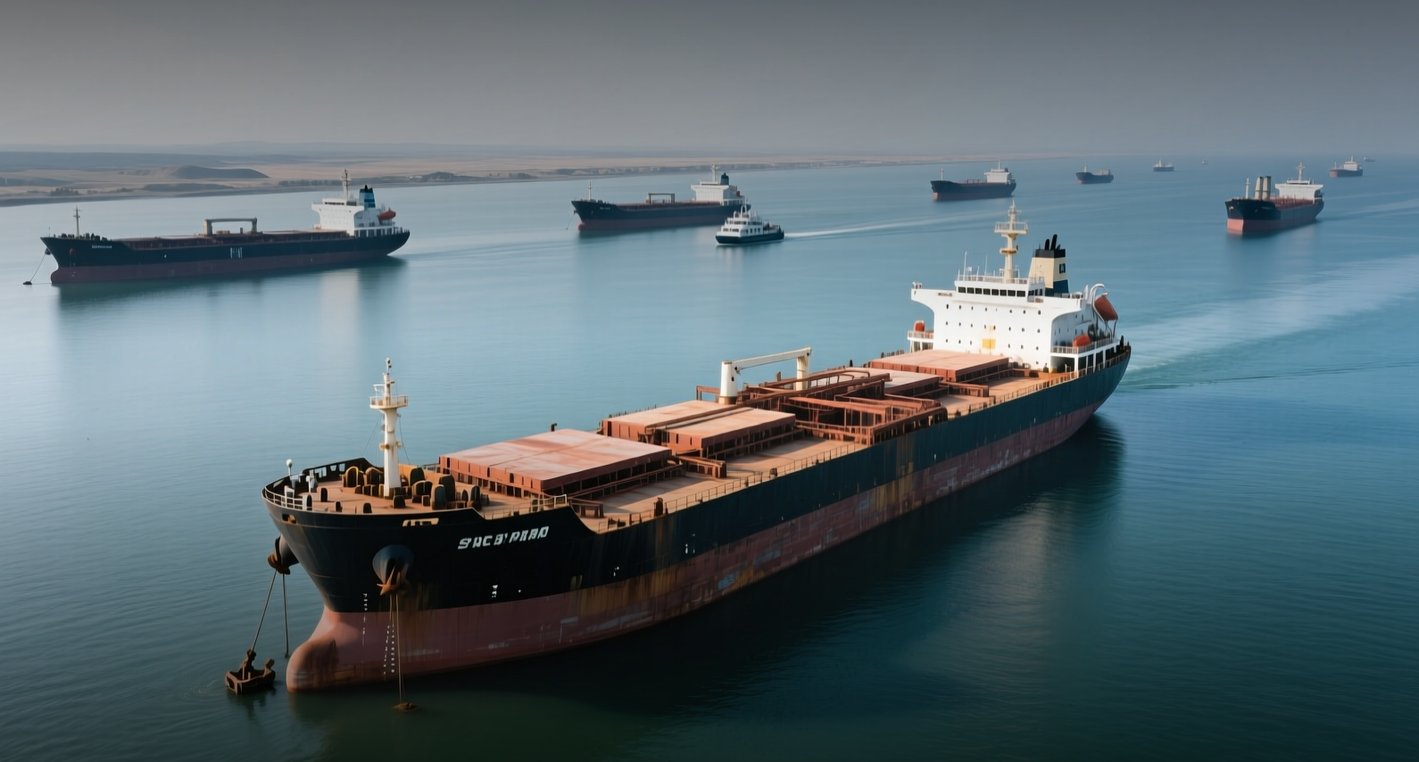
OPEC+ froze October output quotas at 31.01 million barrels per day on Sept. 6, yet the first pause in seven months masks a structural disconnect — the Strait of Hormuz blockade keeps physical supply well below paper targets, and the group's real test arrives with the 2027 capacity negotiation.
"OPEC+ currently has very limited power over the physical oil market," said Jorge Leon, vice president at Rystad Energy. "The group can change production targets on paper, but it cannot guarantee that those barrels will be produced or actually reach the market."
The seven voluntary producers — Saudi Arabia, Russia, Iraq, Kuwait, Kazakhstan, Algeria and Oman — held their combined October quota at 31.01 million bpd, completing the phased rollback of the 1.65 million bpd voluntary cut first announced in April 2023. Saudi Arabia's quota stays at 10.478 million bpd, Russia's at 9.949 million bpd, Iraq's at 4.431 million bpd, Kuwait's at 2.676 million bpd, Kazakhstan's at 1.628 million bpd, Algeria's at 1.007 million bpd and Oman's at 841,000 bpd.
The decision follows six consecutive monthly increases since April and marks the first time the group has declined to raise output since the unwinding began. But with the Iran conflict continuing to disrupt crude exports through the Strait of Hormuz, actual production remains far below agreed levels, diminishing the group's influence over market supply adjustments.
The gap between what OPEC+ approves and what members can actually ship has widened as the conflict persists. The UAE, frustrated with production limits, withdrew from OPEC in May. Venezuela, deepening cooperation with Washington, has reportedly weighed an exit as well. Iraq continues to press for a larger quota. These fissures complicate the group's ability to present a unified front as it prepares for the most consequential negotiation in years.
The pause was widely anticipated. Reports from late July indicated OPEC+ was likely to hold production increases for three months starting in October after completing the September increase, leaving roughly 2 million bpd of earlier cuts in place while members discussed new production quotas for 2027. The group's statement on Sept. 6 confirmed that trajectory, though it provided no guidance beyond October.
The broader 21-member OPEC+ group still maintains a separate layer of production cuts through the end of 2026. Before unwinding those, members must complete a capacity audit in September and establish 2027 baseline production levels that will determine individual country quotas. With actual capacity diverging sharply across members — some constrained by conflict, others by underinvestment — the allocation fight is expected to intensify in the second half of 2026.
Sources familiar with the matter said substantive discussions on 2027 production policy are expected to begin later this year, with OPEC+ widely seen as likely to keep the production hike on hold through the fourth quarter. The next monthly meeting is scheduled for Oct. 4.
The market's true inflection point, however, lies outside the meeting room. If Hormuz traffic normalizes and blocked Iranian crude returns to circulation, the supply surge could be substantial — roughly 2 million bpd of early cuts remain unremoved, and the return of Iranian barrels would compound the loosening. Analysts note that such a supply normalization would exert far greater downward pressure on crude prices than any nominal quota adjustment the group could make. For energy traders and importing nations, the November ministerial meeting — when capacity audit results feed into 2027 baseline negotiations — will carry more weight than the monthly quota reviews that have dominated headlines since April. The group's ability to manage the transition from conflict-era supply constraints to a post-war production framework will determine whether crude markets face a disorderly supply release or a managed unwind.
This article is for informational purposes only and does not constitute investment advice.
