

PayPal's board called the $60.50-a-share offer from Stripe and Advent International inadequate, setting up a negotiation that could reshape digital payments infrastructure.
PayPal's board called the $60.50-a-share offer from Stripe and Advent International inadequate, setting up a negotiation that could reshape digital payments infrastructure.
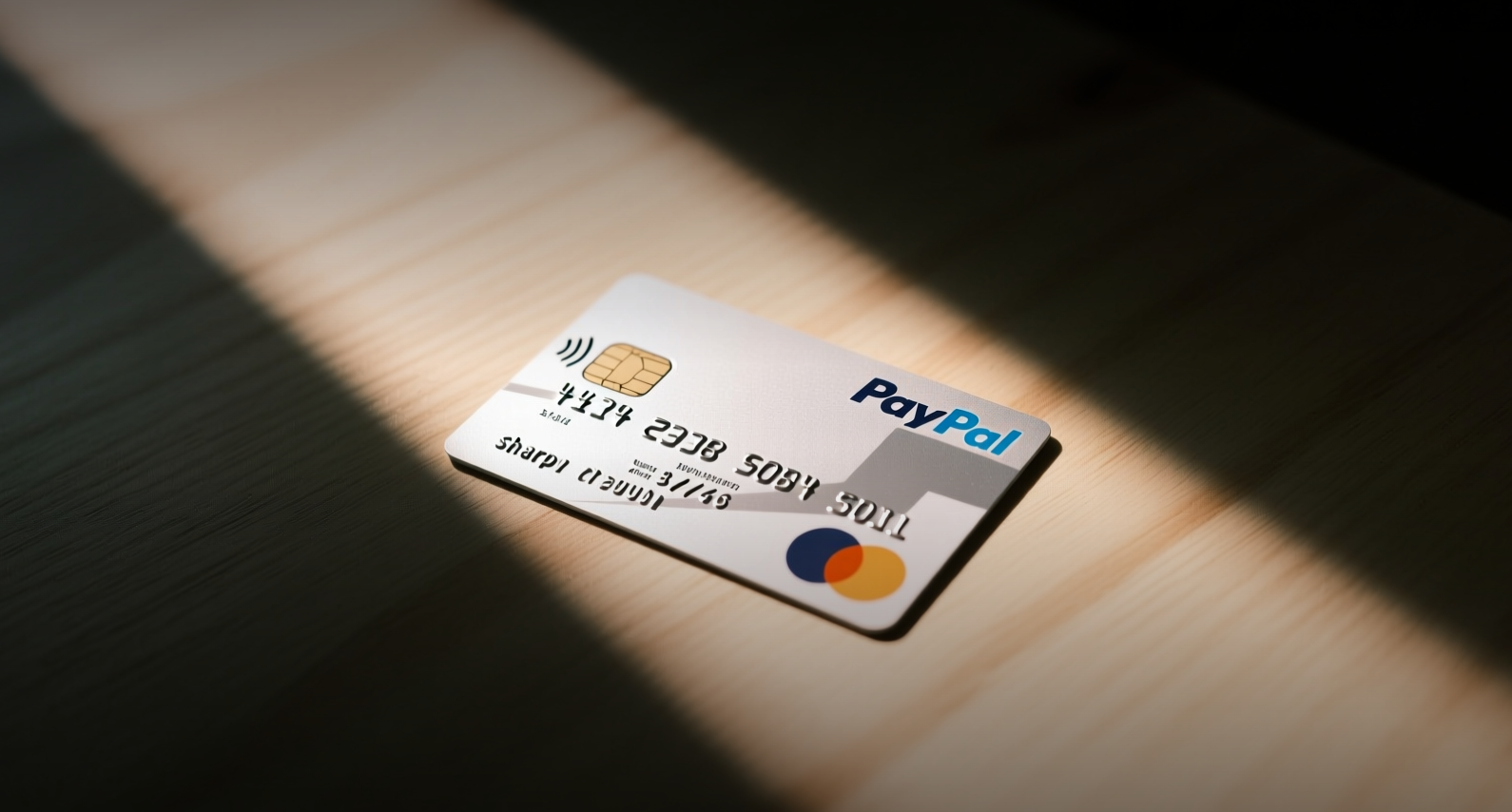
PayPal's board on July 20 rejected a $60.50-per-share cash offer from Stripe and Advent International, valuing the payments giant at more than $53 billion, as the two sides prepare for a second round of bidding.
"The board views the current offer as inadequate relative to the company's intrinsic value and long-term strategic position," a person familiar with the deliberations said, asking not to be identified discussing private board matters.
The bid, which represented a 28 percent premium to PayPal's undisturbed price of $47.37, came with roughly $50 billion in committed bank financing and $17 billion in equity from the two firms. PayPal shares trade at about $56, a 7 percent discount to the offer that reflects market skepticism about deal completion. The average analyst price target sits at $53, below even the current market price.
The real prize is not PayPal's shrinking checkout market share but its stablecoin infrastructure. PYUSD, PayPal's stablecoin issued with Paxos, has a circulating supply near $2.85 billion across 70 markets and nine blockchain networks — the largest consumer-facing stablecoin distribution network outside Tether and USDC. Stripe, which acquired stablecoin infrastructure provider Bridge last year, needs that distribution to build end-to-end control of digital payment rails for the coming era of agentic commerce.
PayPal's board, advised by Goldman Sachs and Evercore, is seeking a price closer to $70 a share, a level that would restore the company's valuation near its October 2025 peak, according to Bloomberg and PYMNTS. The structure of the rejection supports that reading: a flat refusal does not come with two investment banks in the room. That is the apparatus you assemble when you want a better number, not when you have decided to stay independent.
Famed investor Michael Burry, a PayPal shareholder, publicly called the offer an opening bid and pegged the company's value far higher. Stripe and Advent are unlikely to walk away. The financing is committed, the strategic logic is airtight, and no obvious third-party bidder could assemble this combination faster. The more plausible outcome is a revised offer in the mid-to-upper sixties — enough to give PayPal's board a face-saving win while keeping the deal economics workable for Stripe's cap table.
Stripe already dominates merchant payment infrastructure. What it lacks is a consumer wallet with 439 million active accounts and a stablecoin with real distribution. Put the two together — PayPal's consumer stablecoin footprint on one side, Stripe's merchant and agentic infrastructure on the other — and you get something no competitor has: end-to-end control of digital payment rails from the human wallet to the autonomous AI buyer.
Stripe has also integrated the x402 protocol, allowing AI agents to send and receive stablecoin payments autonomously without triggering traditional card authorization flows. When an AI agent pays for a subscription renewal or a procurement order without human initiation, the question of which stablecoin rails it settles on will matter far more than who processed a 2019 eBay checkout.
PayPal reports second-quarter results on July 28. That number matters enormously for how this negotiation plays out. If the results confirm the turnaround under Chief Executive Officer Alex Chriss — who has been rebuilding margins and pushing into unbranded payment processing since taking over in 2023 — the board's demand for $70 a share becomes harder to dismiss. A strong print validates the argument that $60.50 undervalues where the company is heading.
If the results disappoint, leverage shifts back to the bidders. The analyst consensus of $53 a share is a reminder of what the downside looks like if PayPal has to stand on its own numbers again. For now, the stock sits between three opinions: the board's view that the company is worth more than $60.50, the market's view that it is worth about $56, and the analysts' view that it is worth $53 on its own.
This article is for informational purposes only and does not constitute investment advice.
