


Google's Pixel 11 launch puts its most agentic Gemini yet at the center of the smartphone, setting up a direct showdown with Apple weeks before Siri's Gemini-powered rebuild.
Google's Pixel 11 launch puts its most agentic Gemini yet at the center of the smartphone, setting up a direct showdown with Apple weeks before Siri's Gemini-powered rebuild.
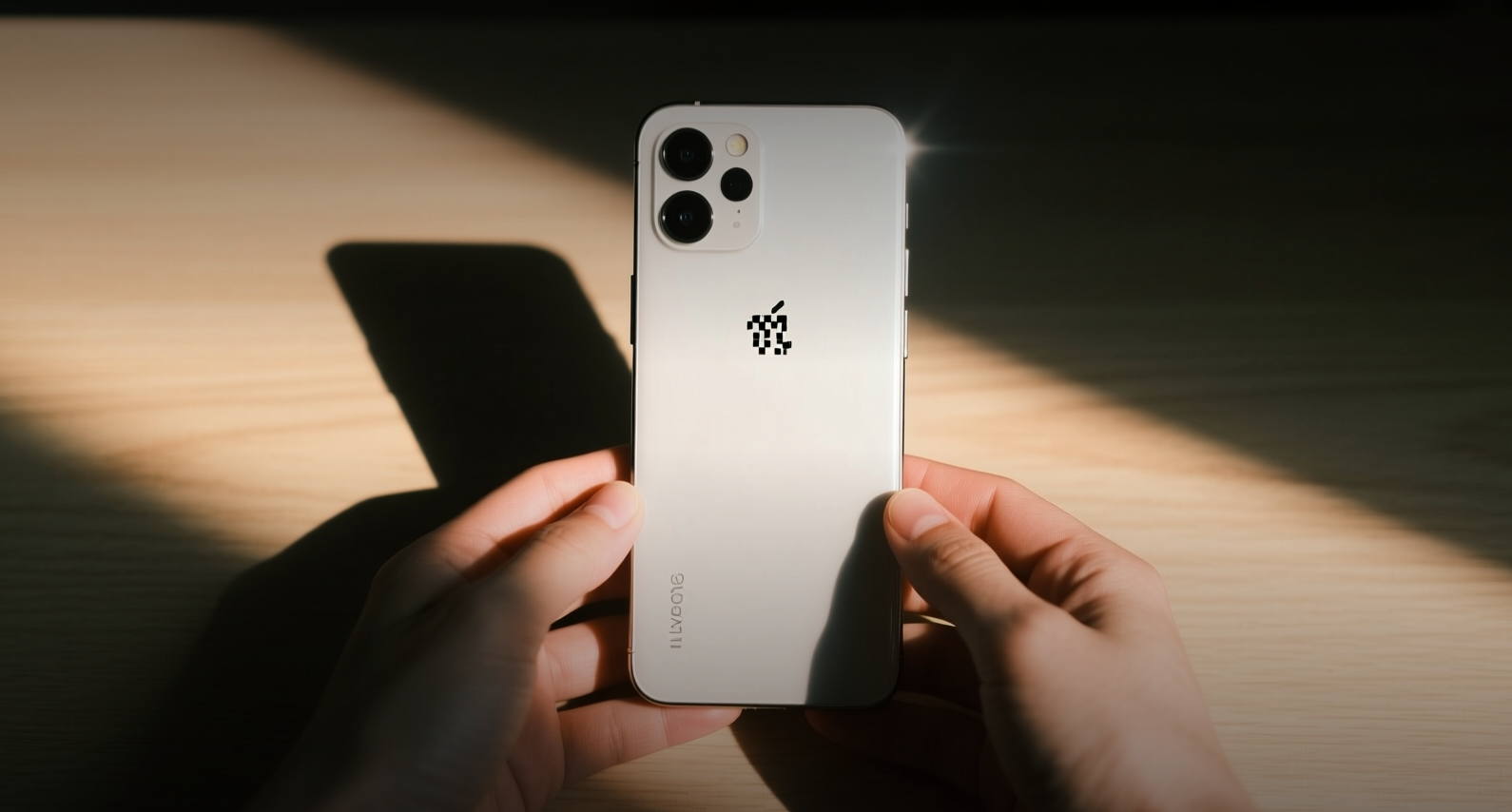
Google's Pixel 11 launch puts its most agentic Gemini yet at the center of the smartphone, setting up a direct showdown with Apple weeks before Siri's Gemini-powered rebuild.
Google unveiled four Pixel 11 phones Wednesday starting at $899, a $100 price increase, with Gemini Intelligence embedded across the operating system as the company's answer to Apple's AI-powered Siri rebuild.
"For the last 10 to 15 years, not a lot has changed in how you use laptops and mobile phones," Rick Osterloh, Google's devices chief, told CNBC. "But we think that's about to change dramatically."
The lineup includes the Pixel 11, Pixel 11 Pro, Pixel 11 Pro XL and Pixel 11 Pro Fold, all running the Tensor G6 processor with 20 percent better power efficiency. Base storage doubles to 256GB, and the Pro XL's zoom extends to 120x from 100x. Gemini Intelligence connects information across messages, calendars and maps to suggest or execute actions like restaurant reservations or ride bookings.
The launch positions Alphabet against Apple, which is rebuilding Siri around Google's own Gemini models — putting Google in the unusual position of competing with one of its largest AI customers. Counterpoint Research data shows AI has climbed to roughly sixth or seventh among consumer upgrade reasons, up one to two spots in recent surveys.
Osterloh pushed back on the idea that Pixel and iPhone experiences will converge. "Pixel and iPhone are going in very different directions," he said. "It's always been at the forefront of Pixel's product strategy to lead with new technologies, and in particular with Gemini and AI."
Google is leaning on features it says are exclusive to Android: scam detection, Rambler voice transcription that filters filler words, and deeper Gemini integration across the OS. The company also introduced sign-language-to-text translation through Live Transcribe, trained on over 100,000 hours of sign language data across more than 50 languages, with roughly a quarter in American Sign Language.
The Pixel 11 Pro Fold gets the most substantial redesign: 10 percent lighter, nearly 1mm thinner, with a glass-fiber composite back and redesigned hinge that Google says makes it three times more durable than its predecessor. The Pro models feature an anti-scratch coating with more than twice the scratch resistance of the Pixel 10 Pro.
Osterloh acknowledged that a shortage of RAM and flash memory is forcing consumer electronics prices higher. "What's happening in the near term, I think, is everyone's needing to raise their prices," he said. "We've also discussed that we will need to raise ours, like all the other industry players."
The memory squeeze extends beyond Google — component costs are rising across the smartphone industry, with memory chip makers including SK Hynix, Samsung and Micron benefiting from constrained supply. Tarun Pathak, research director at Counterpoint, said compelling use cases and greater consumer awareness will be critical to turning growing AI interest into actual upgrades, noting Apple has more generative AI-capable smartphones already in consumers' hands than any other brand.
Alphabet shares trade at roughly 22x forward earnings. The Pixel line remains a small slice of Google's revenue, but the Gemini-first strategy extends the company's AI moat beyond cloud and search into consumer hardware. Apple, which will test its own Gemini-powered Siri in the coming weeks, holds the largest installed base of generative AI-capable smartphones per Counterpoint — a moment that could determine whether AI assistants become the primary interface for mobile computing.
This article is for informational purposes only and does not constitute investment advice.
